If you work in hotel development or real estate investment, you already know that materials make or break a project—budget, aesthetics, and long-term lifecycle costs all hinge on the quality of your FF&E.
But many decision makers still misunderstand hotel veneer wood furniture. In reality, it’s the material of choice for luxury hotels worldwide because it delivers design flexibility, durability, and cost stability when engineered by a professional factory.
This guide explains exactly what veneer wood furniture is and how it helps project managers, designers, and developers avoid costly mistakes.
What Veneer Wood Furniture Actually Means for Hotel & Real Estate Projects
When people hear “veneer,” they sometimes think it means something cheap or fake. It’s not. Veneer is simply a thin layer of real hardwood that’s pressed onto a stable base material, usually plywood or MDF. You still get the beauty of real timber grain, but with far better consistency and stability than using solid wood alone. In large hotel projects, that stability matters more than most people realise.
Hotels prefer veneer because it solves a problem designers deal with every day: color consistency. Solid wood changes tone from tree to tree, even within the same batch. Veneer, on the other hand, is sliced and matched so that every wardrobe panel, bedside table, and headboard looks like it belongs to the same family. It also means supply is predictable. You won’t suddenly run out of the exact shade needed halfway through a 300-room project.
A lot of people mix up veneer with laminate, but they’re very different. Laminate is a printed surface—it mimics wood but isn’t wood. Veneer is wood. For design accuracy, especially in branded hotels, that difference matters. Many brands won’t approve laminates when the design intent calls for natural timber, especially in upscale and luxury categories. Veneer gives the warmth and depth that printed textures still can’t fully replicate.
Real estate developers also choose veneer because it strikes the perfect balance between aesthetics and cost—what we call value engineering (VE). You maintain the look of luxury without paying the premium for solid timber, which is often unnecessary and more prone to warping. Veneer lets developers deliver a high-end feel while keeping budgets under control, especially when producing hundreds of identical units.
In short, hotel veneer wood furniture gives hotels and developers the sweet spot they need: real-wood beauty, predictable quality, and controlled cost—three things that make large-scale projects run smoothly.
How Veneer Wood Furniture Is Made — And Why Process Quality Matters
Veneer wood furniture might look simple on the surface, but the way it’s made determines almost everything: durability, color consistency, and whether the final product feels “premium” or “patchy.” When you understand the steps behind it, you start to see why two pieces that look similar in photos can perform very differently in a real hotel environment.
The process usually moves through a clear sequence: slicing, drying, substrate bonding, sealing, and finishing. Each stage has its own risks. Veneer starts as real timber, sliced into thin sheets. If the slicing is uneven or rushed, you get weak spots or grain distortions. Then the veneer is dried—too fast and it cracks, too slow and it warps. After that, the sheets are bonded onto a stable substrate. This part is where most failures begin, because poor glue or pressure inconsistency causes bubbling months later, not on day one.
Substrates matter more than people think, especially in hotel projects. E0 plywood is the go-to choice for bathrooms or humid zones. It’s moisture-resistant, structurally strong, and holds veneer better when temperature swings happen. MDF, on the other hand, is great for interior casegoods because it’s flat and stable, which helps keep the veneer surface smooth with fewer imperfections. When a factory knows when to use which substrate, the furniture lasts longer, doors stay straight, and finishes don’t peel.
Production capability is the difference between a brand-approved sample and a rejected shipment. Hotels expect the mock-up room to match the final production batch—not “almost match.” That requires controlled veneer sequencing, calibrated color spraying, and QC checkpoints that catch problems early. Factories with weak processes often produce one perfect sample… and then 100 inconsistent pieces that no longer look related.
A real-world example: wardrobe veneer matching across 100+ rooms. If the factory doesn’t sequence veneer bundles properly, every wardrobe door ends up with a slightly different grain direction or tone. Guests may not notice room by room, but procurement teams and brand auditors absolutely do. A strong factory keeps veneer logs together, sprays all batches under the same lighting conditions, and checks color variation with actual ΔE measurements so the entire project feels cohesive.
Good veneer furniture isn’t luck. It’s process. And the factories that respect that process consistently deliver the kind of results hotels trust.
Veneer shows up in almost every serious hotel project, and there’s a good reason. It gives you the look of real hardwood without the headaches that come with solid timber in high-traffic spaces. When you’re furnishing 80, 180, or even 500 rooms, consistency matters more than anything. Veneer lets developers get that consistent “brand look” without blowing the budget or creating long-term maintenance problems.
Pros
Stable performance in high-usage environments Hotels don’t have the luxury of “taking it easy” on furniture. Anything in a guest room gets used every single day—wardrobes slammed shut, drawers pulled hard, bedside tables bumped by luggage. Veneer bonded onto a stable core like plywood or MDF resists warping and seasonal movement, so it keeps its shape even under constant stress.
Seamless grain matching across multiple rooms Solid wood varies from board to board, but veneer sheets can be sliced and arranged so the grains match beautifully. When you’re outfitting an entire floor of rooms, this makes the difference between “nice enough” and “premium hotel finish.” Designers love that they can specify a consistent grain direction, color tone, and texture across the whole project.
Lower maintenance compared to solid wood Solid timber reacts to humidity and temperature changes—it expands, contracts, and sometimes cracks. Veneer doesn’t behave that way, so it needs far less babysitting over the furniture’s lifetime. Housekeeping teams don’t need special rules, and engineering teams won’t be called every month to fix swollen cupboard doors.
Material savings = budget control For developers and investors, veneer is a quiet hero. It reduces the amount of premium timber needed without sacrificing the aesthetic. When multiplied across hundreds of rooms, these savings help keep the FF&E budget predictable—something every procurement manager appreciates.
Cons
Poor-quality veneer can peel if edge treatment is weak When budget factories try to cut corners, the first thing you’ll notice is peeling around edges and corners. This usually means low-quality adhesive, poor pressing control, or missing edge-banding. Once peeling starts, it spreads fast.
Thickness limitations — cannot sand deeply Veneer is thin—usually 0.4mm to 1mm. If it gets scratched, you can’t sand it like solid wood. Any repairs must be done carefully, and heavy restoration is almost impossible. That’s why hotel operators prefer factory finishes that resist scratching and staining from the beginning.
Requires a certified factory with proper pressing equipment and finishing lines Good veneer work isn’t a simple “glue and stick” job. It needs:
Hot/cold pressing machines
Calibrated sanding lines
Controlled lacquer rooms
Skilled workers who understand grain direction and veneer matching
Factories without these systems often produce panels with bubbles, weak adhesion, or uneven surfaces.
How to Evaluate High-Quality Veneer Furniture for Your Project (Professional Checklist)
When you’re choosing veneer furniture for a hotel project, small details decide whether the furniture lasts five years or fifteen. A good piece doesn’t just “look nice” in the showroom — it stays stable in real-life conditions like humidity, guest misuse, cleaning chemicals, and daily wear. This checklist helps you quickly tell whether a factory truly knows what it’s doing or is simply outsourcing everything and hoping for the best.
Substrate Standard
Always start with the core material. Ask for E0 plywood or E1 MDF, because these directly affect structural stability and even brand warranty approvals. Cheaper boards may save a few dollars, but they swell, warp, and break hardware much faster — especially in humid areas like bathrooms or coastal properties. A serious factory will show you certificates and explain why they choose certain substrates for different areas of the hotel.
Grain Matching
Veneer isn’t just about the surface; the pattern matching tells you how much care the factory puts into consistency. Book-matching creates a mirrored pattern, while slip-matching gives a cleaner, more uniform look. Both are fine — what matters is whether the factory can repeat the same effect across dozens or hundreds of rooms. This is how you avoid floors where every wardrobe looks slightly different.
Lacquer Finish
The finish is the “armor” of veneer furniture. Always ask for PU or NC finish test reports, especially scratch-resistance and hardness results. A strong lacquer layer protects the veneer from moisture, cleaners, and daily friction. If the surface feels too soft or leaves marks easily, that’s a sign the finish wasn’t cured properly or the coating layers are too thin.
QC Requirements
Professionals look at veneer the same way they evaluate any engineered material — through measurable standards.
Key checks include:
ΔE color tolerance
Moisture content testing
Adhesion testing
Factories that take QC seriously will show these reports without hesitation. If they can’t, it usually means they don’t perform the tests themselves.
A reliable manufacturer will have in-house veneer pressing, sanding lines, CNC machining, and lacquer finishing rooms. When these steps are outsourced, consistency becomes impossible. In-house control means fewer mistakes, shorter lead times, and better warranty support. It also shows the factory isn’t just doing assembly — they’re actually engineering the material from start to finish.
This is the point where hotel project managers and designers look at you differently. Because once you understand veneer at a technical level, you’re no longer “just another furniture supplier.” You’re a manufacturer who knows how to protect their project — and their brand reputation.
Where Veneer Works Best in Hospitality & Real Estate Development
Veneer shines in places where you want the look of premium wood without worrying about movement, cracking, or unnecessary cost. That’s why you see it everywhere in hotels and residential projects. It gives designers freedom, keeps developers on budget, and still feels like “real wood” to anyone touching it.
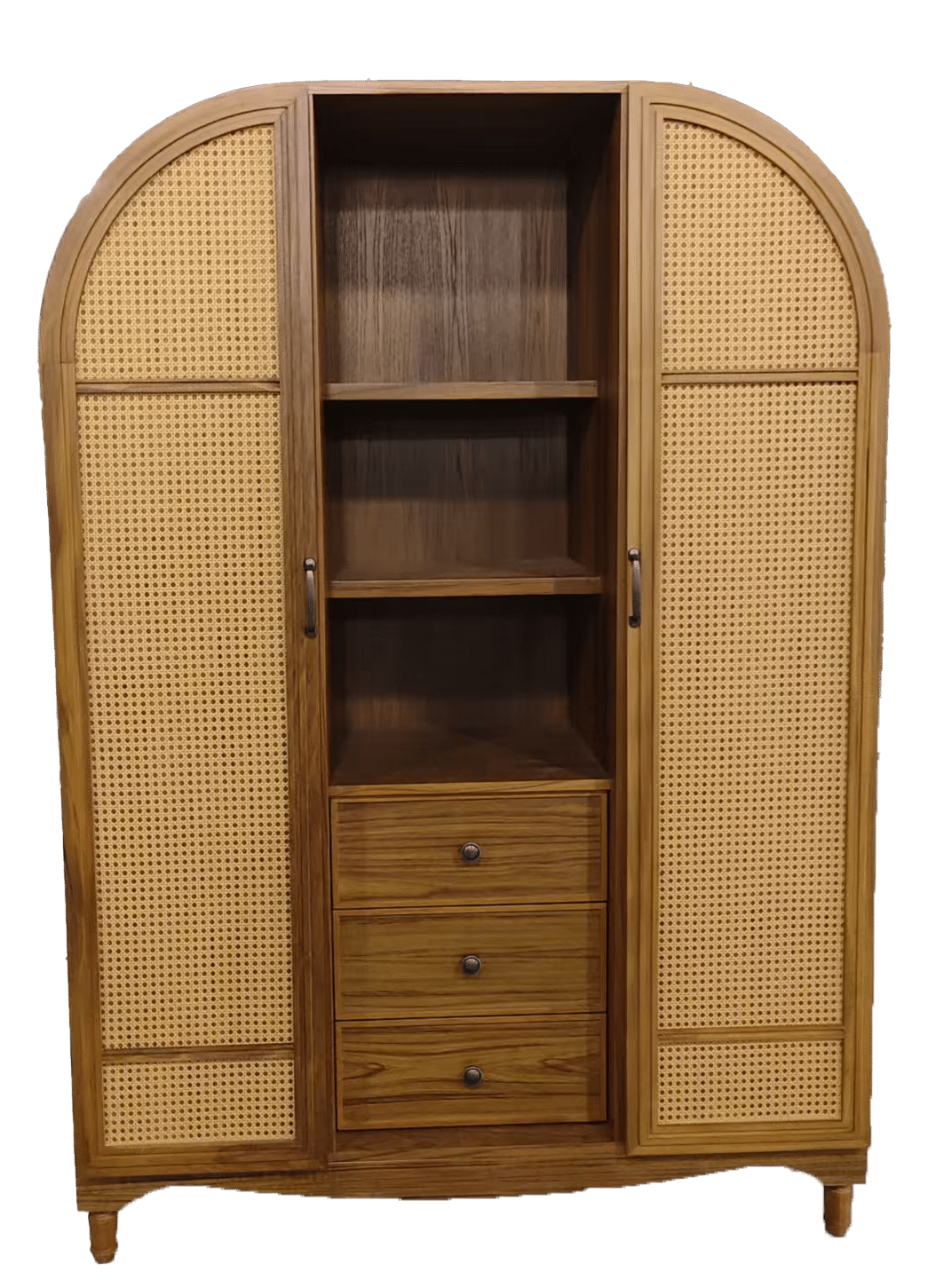
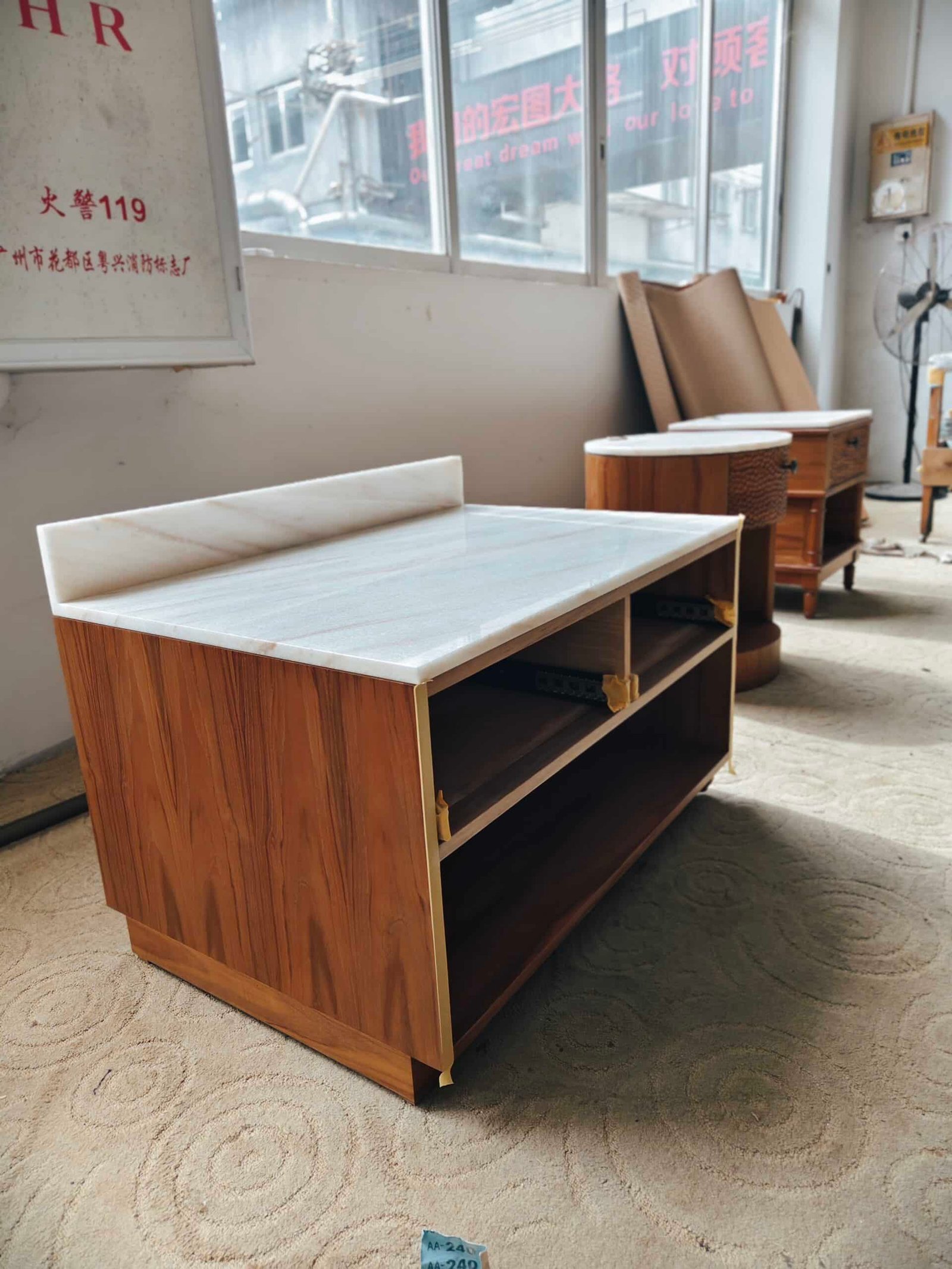
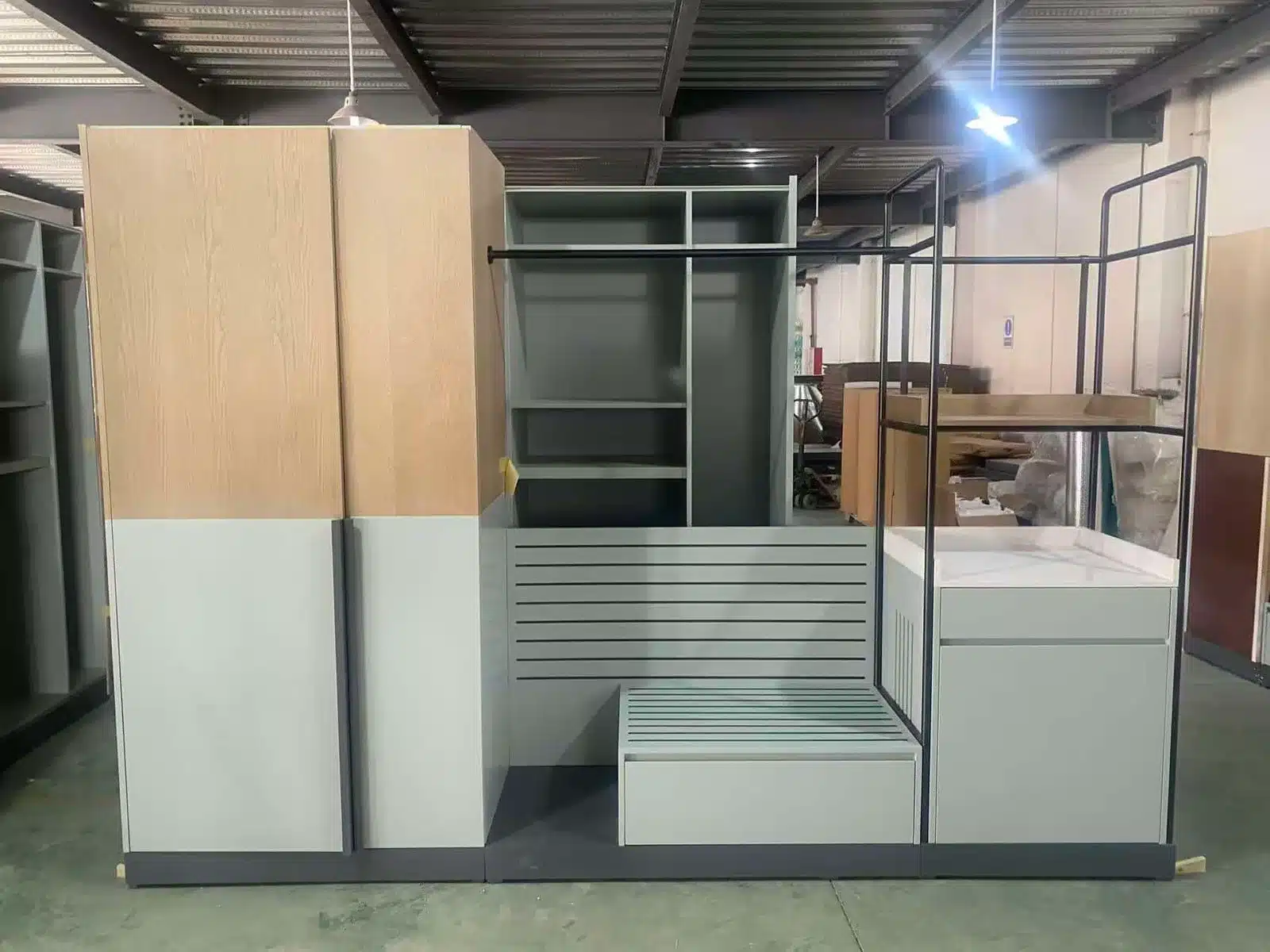
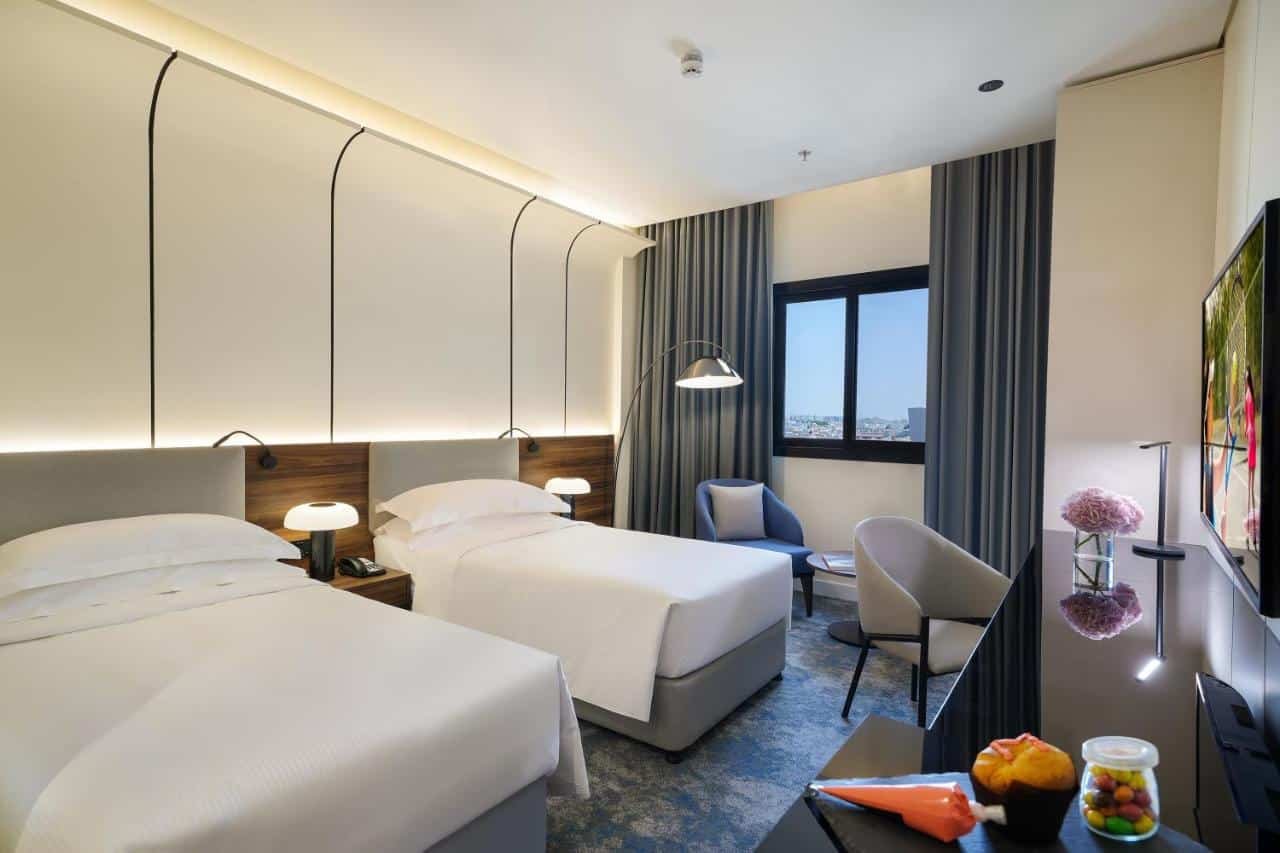
Guest rooms are one of the best examples. Casegoods like wardrobes, vanities, and headboards almost always use veneer because these pieces need to look consistent across dozens or hundreds of rooms. Veneer makes that easy—you get the same grain, the same tone, and the same finish every time. It also handles humidity better than solid wood, which matters when you’re dealing with bathrooms and HVAC systems that run 24/7.
In public areas, veneer works beautifully for reception desks, wall panels, and large millwork features. These big surfaces need perfect grain flow and clean edges, and veneer makes that possible. Solid wood would warp or split at that scale. Veneer lets you create long, seamless runs that feel luxurious without the headaches of natural wood movement.
For residential developments, veneer is a practical choice for built-in joinery, cabinets, and walk-in wardrobes. Buyers love the premium look, and developers love that veneer keeps the budget predictable. You can match every room, every level, and every unit without worrying about the natural color variations that happen with solid timber.
From an investment perspective, veneer hits that sweet spot: high perceived value, controlled cost. It elevates a project instantly—whether it’s a hotel, an apartment, or a luxury residence—without pushing the budget into risky territory. You get a premium finish that photographs well, ages well, and appeals to end users.
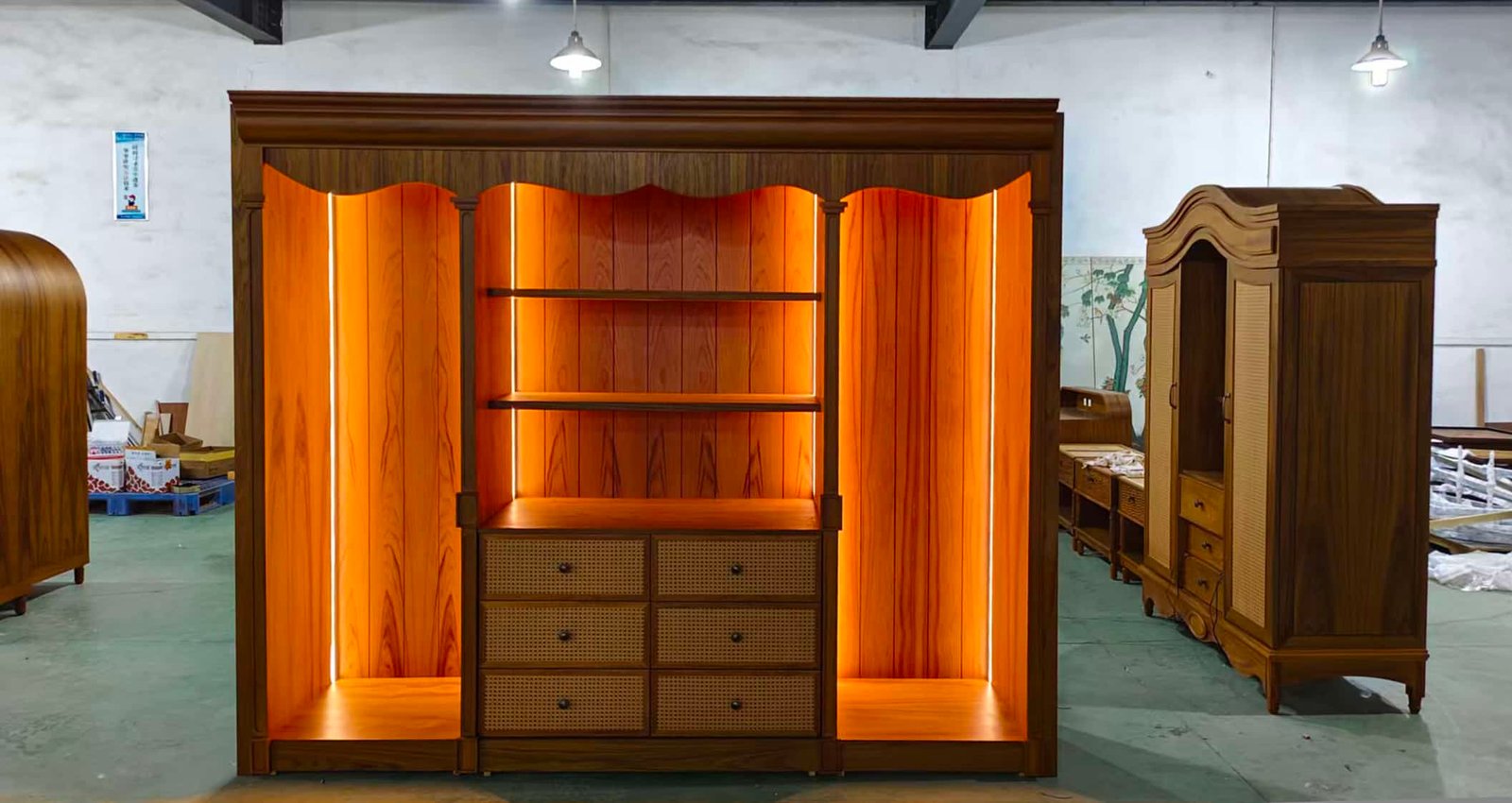
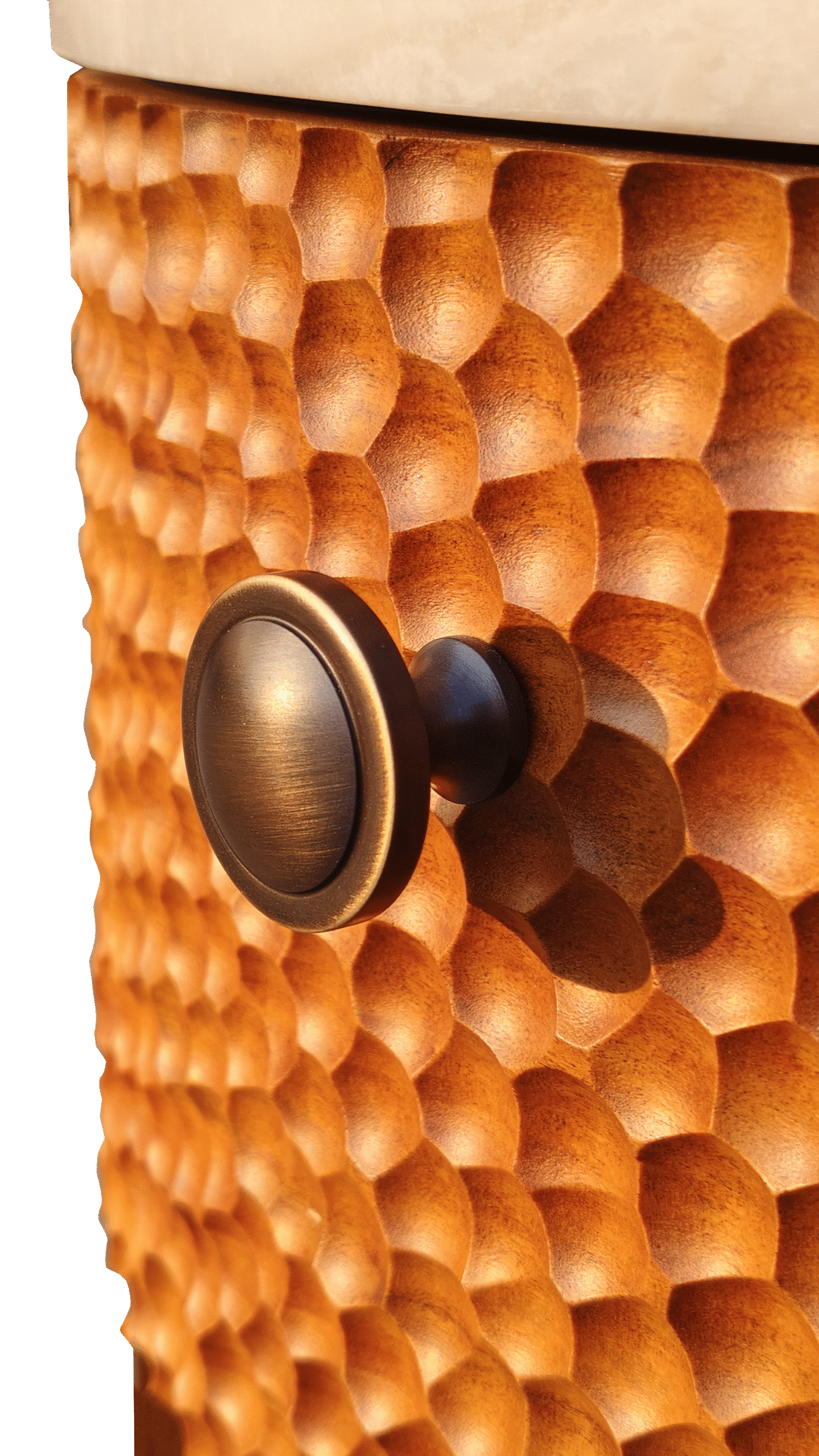
Designers also love veneer because it’s flexible. It allows for curvature, fine detailing, routed patterns, integrated LED lighting, and metallic trims. Solid wood simply can’t bend or behave that way without cracking or costing a fortune. Veneer gives designers room to try more creative ideas without making a contractor nervous.
If you want high-end aesthetics, stable performance, and a friendly budget, veneer is usually where those three meet.
Conclusion
For hotel and real estate projects, veneer wood furniture isn’t a downgrade — it’s a professional material solution that balances design goals, durability, cost efficiency, and sustainability.
When selected correctly, veneer helps project managers avoid defects, supports designers’ creative vision, and gives developers long-term value with fewer lifecycle costs.
If you’re planning a hotel or mixed-use development, choosing well-engineered hotel veneer wood furniture from a capable factory can save time, prevent redesigns, and elevate the entire project.
FAQs
Q1: What is hotel veneer wood furniture?
Hotel veneer wood furniture uses thin layers of real hardwood bonded to a stable core, giving hotels a premium wood finish with better durability and consistency.
Q2: Is veneer wood furniture durable enough for hotels?
Yes. When engineered correctly, veneer furniture is more stable than solid wood because it resists warping, cracking, and humidity changes.
Q3: Why do designers choose veneer over solid wood for hotel projects?
Veneer allows consistent color, large seamless panels, and lower cost while maintaining a luxury timber appearance across 100+ rooms.
Q4: What is the best substrate for hotel veneer wood furniture?
E0 plywood for humid areas and E1 MDF for casegoods. These offer excellent stability and are widely used in globally approved hotel FF&E manufacturing.
Q5: What are common problems with low-quality veneer furniture?
Peeling edges, color mismatch, grain inconsistency, weak adhesion, poor lacquer finish, and visible substrate at corners.