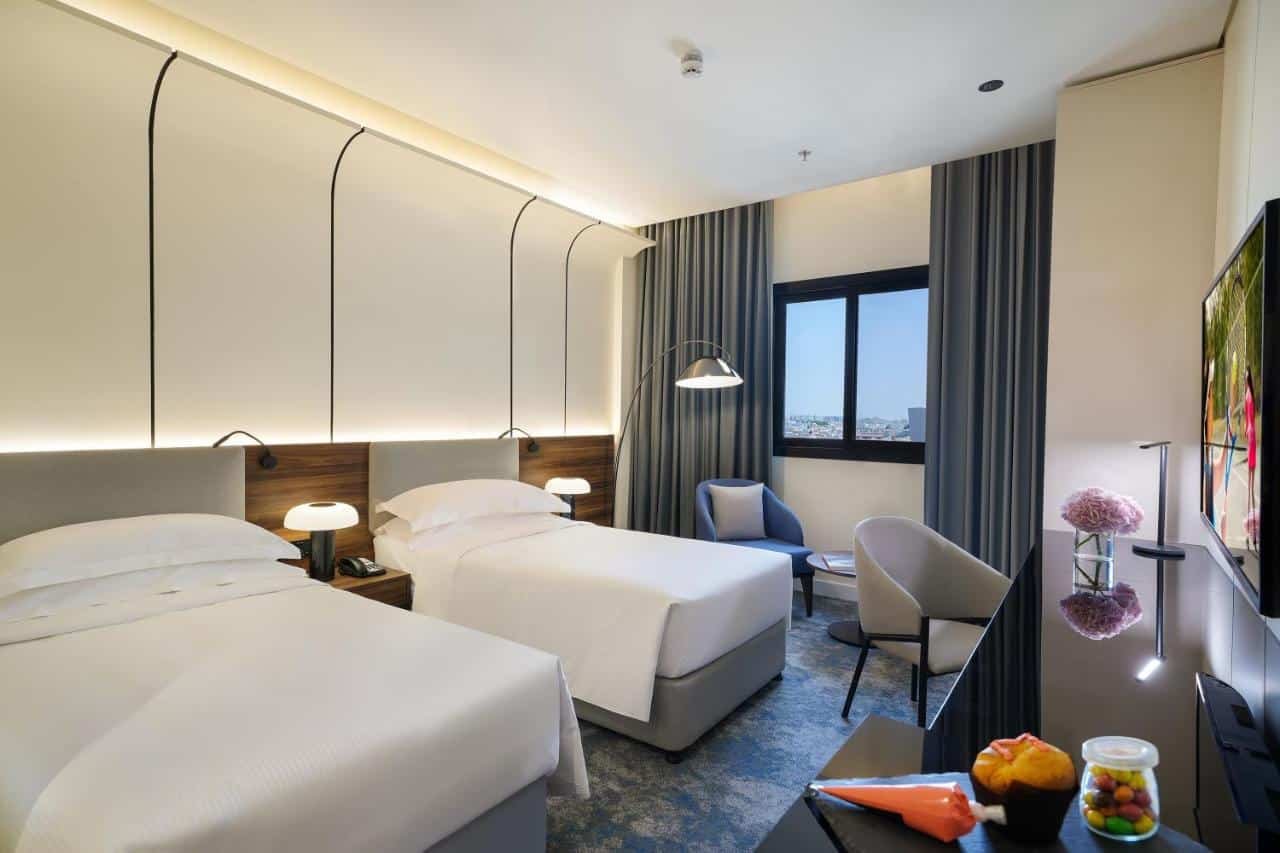
When furnishing a hotel, every decision affects the guest experience—and your bottom line. One of the biggest debates among developers and owners is whether to choose custom-made or ready-made furniture.
At first glance, ready-made looks cheaper and faster. But behind every project that opens late or struggles with brand compliance, there’s often a furniture decision gone wrong.
If you’re sourcing suppliers, choosing a reliable hotel FF&E supplier who understands construction timelines can prevent costly delays.
In this guide, we’ll unpack the real differences—design flexibility, quality, cost, ROI, and logistics—so you can make a confident choice for your next hotel project.
Understanding the Two Approaches
Ready-made hotel furniture means standard, pre-designed pieces sold through catalogs or showrooms. You pick a style, color, and size, and it’s shipped quickly. It’s ideal for limited-service hotels or fast renovations where time is critical.
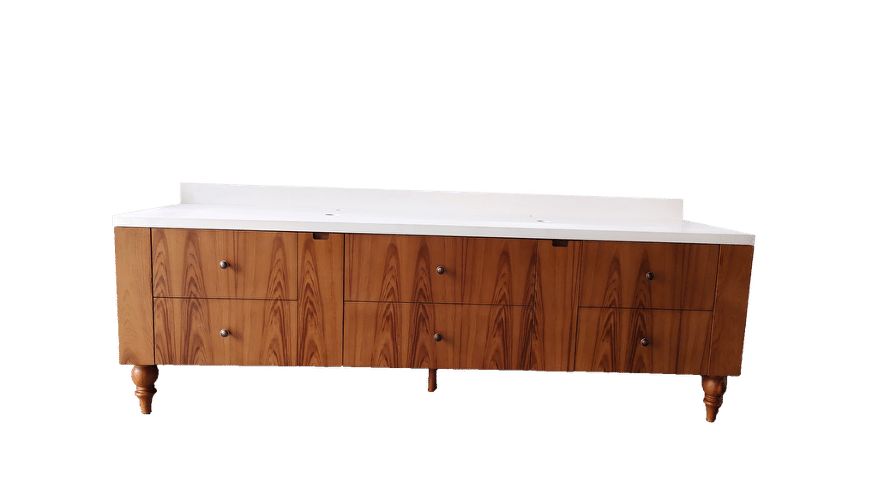
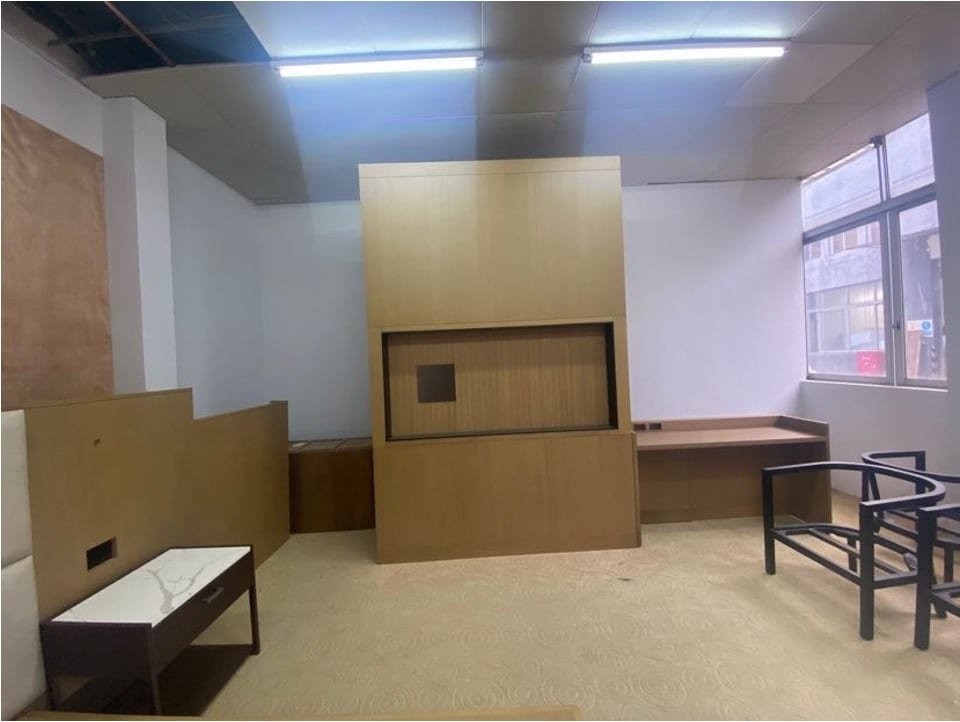
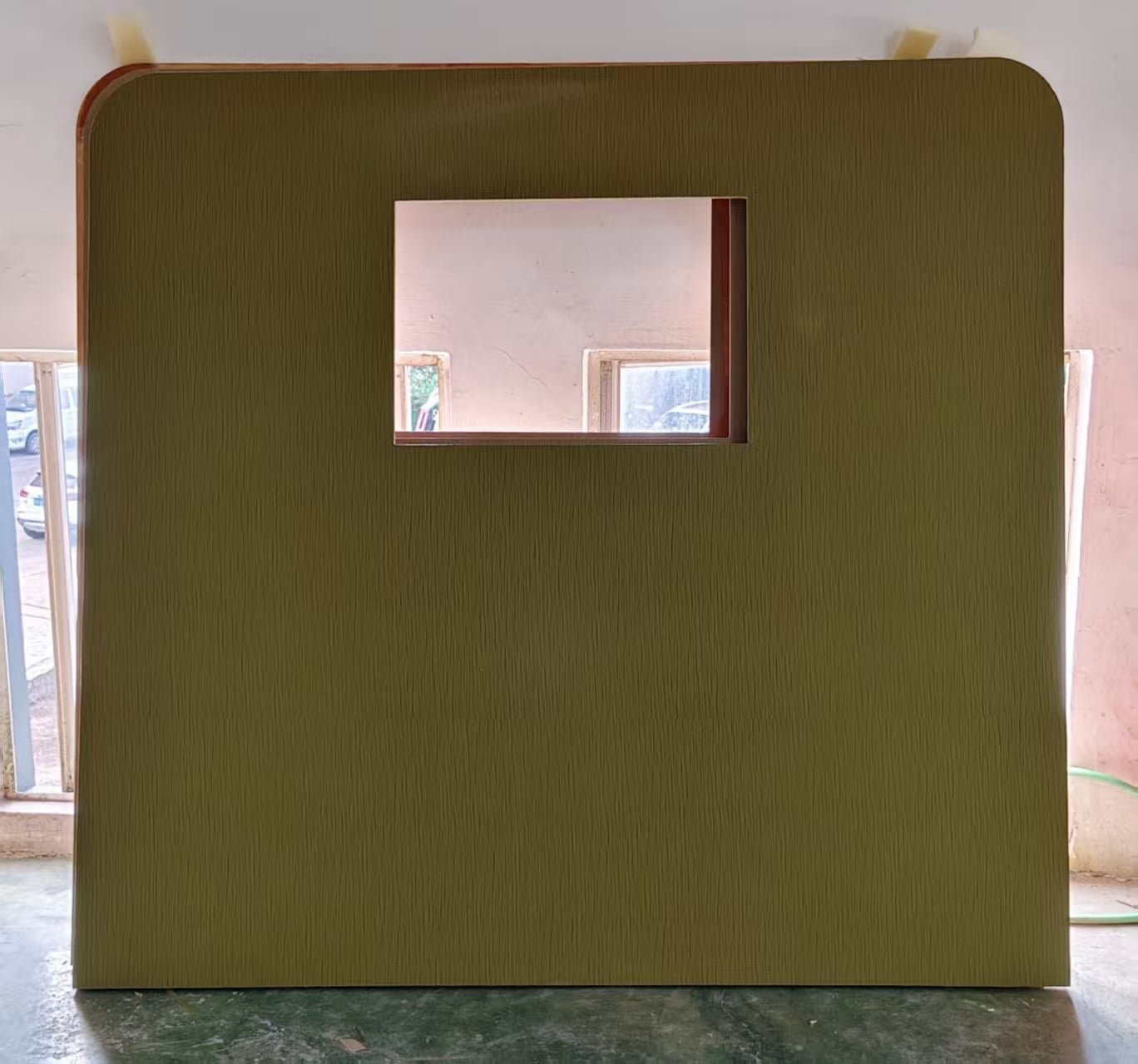
Custom-made hotel furniture is engineered specifically for your project. Every detail—from veneer tone to drawer handle—is based on approved shop drawings, brand guidelines, and mock-up feedback.
Think of it like this:
Ready-made = off-the-shelf convenience
Custom-made = tailor-fit precision
For branded or design-driven hotels, that difference is massive. A custom piece can define a guest’s impression, while a generic one can make even a luxury room feel ordinary.
Design Flexibility and Brand Identity
No two hotels share the same layout or design DNA. Ready-made furniture forces you to adapt your design to available options. You might compromise on size, finish, or material.
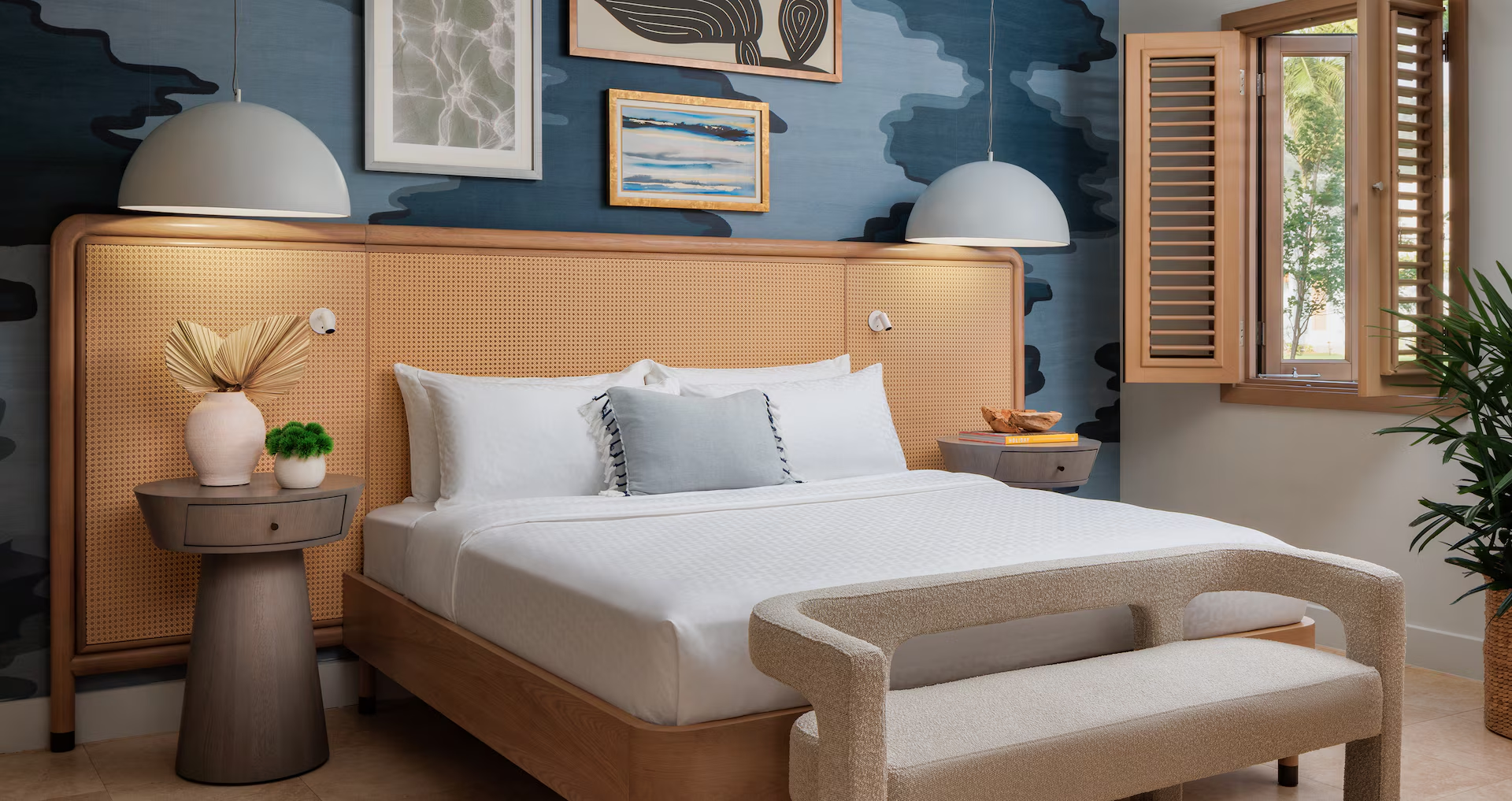
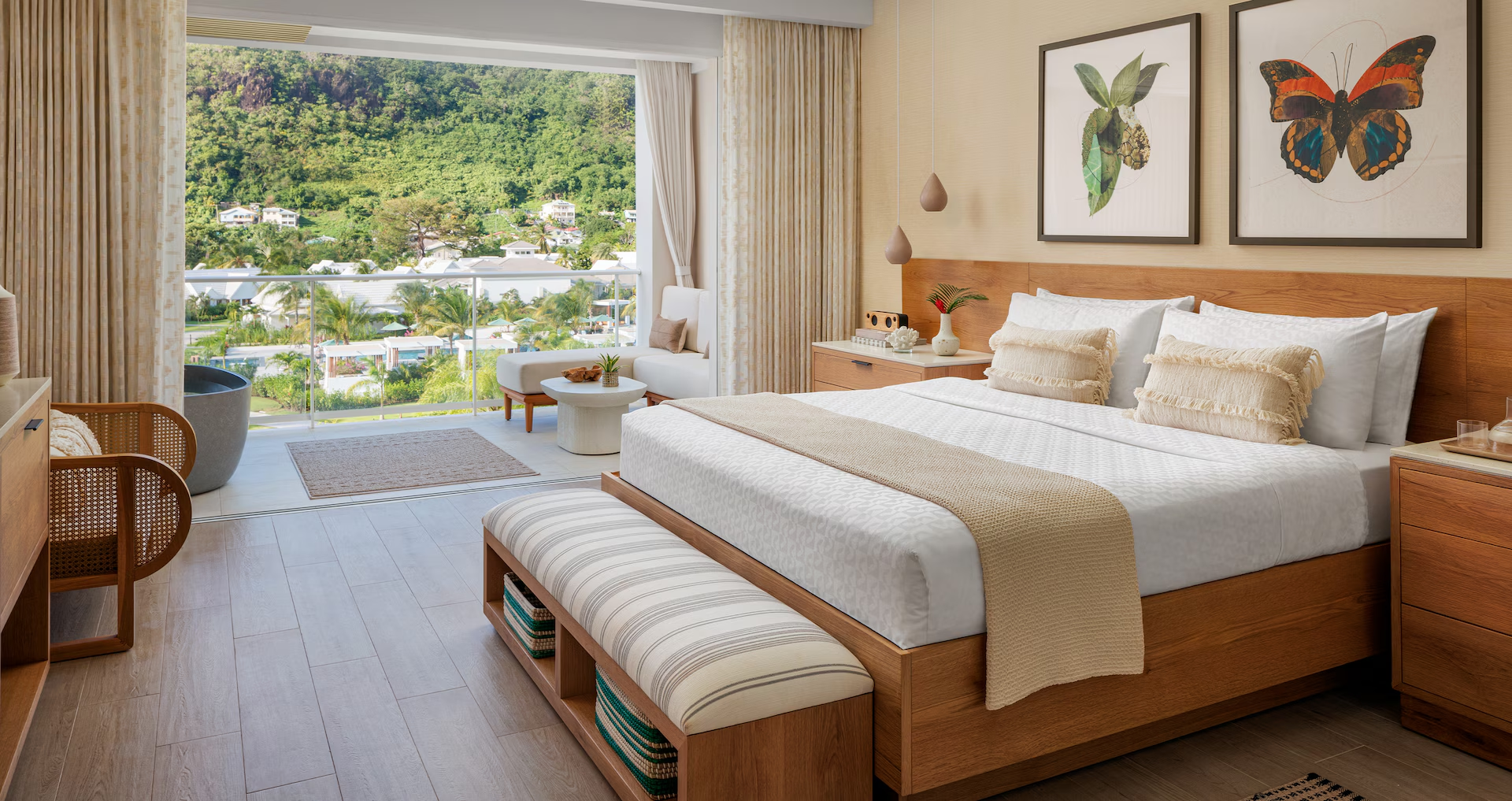
Custom-made furniture, however, lets you bring your interior designer’s concept to life exactly—matching brand standards for Marriott, Hilton, or Accor properties down to the millimeter. You can specify veneers, fabrics, lighting integration, and even hidden cable systems for clean installations.
That’s why partnering with an experienced custom hotel furniture manufacturer matters—you get engineering support, mock-ups, and finish matching that catalog pieces can’t deliver.
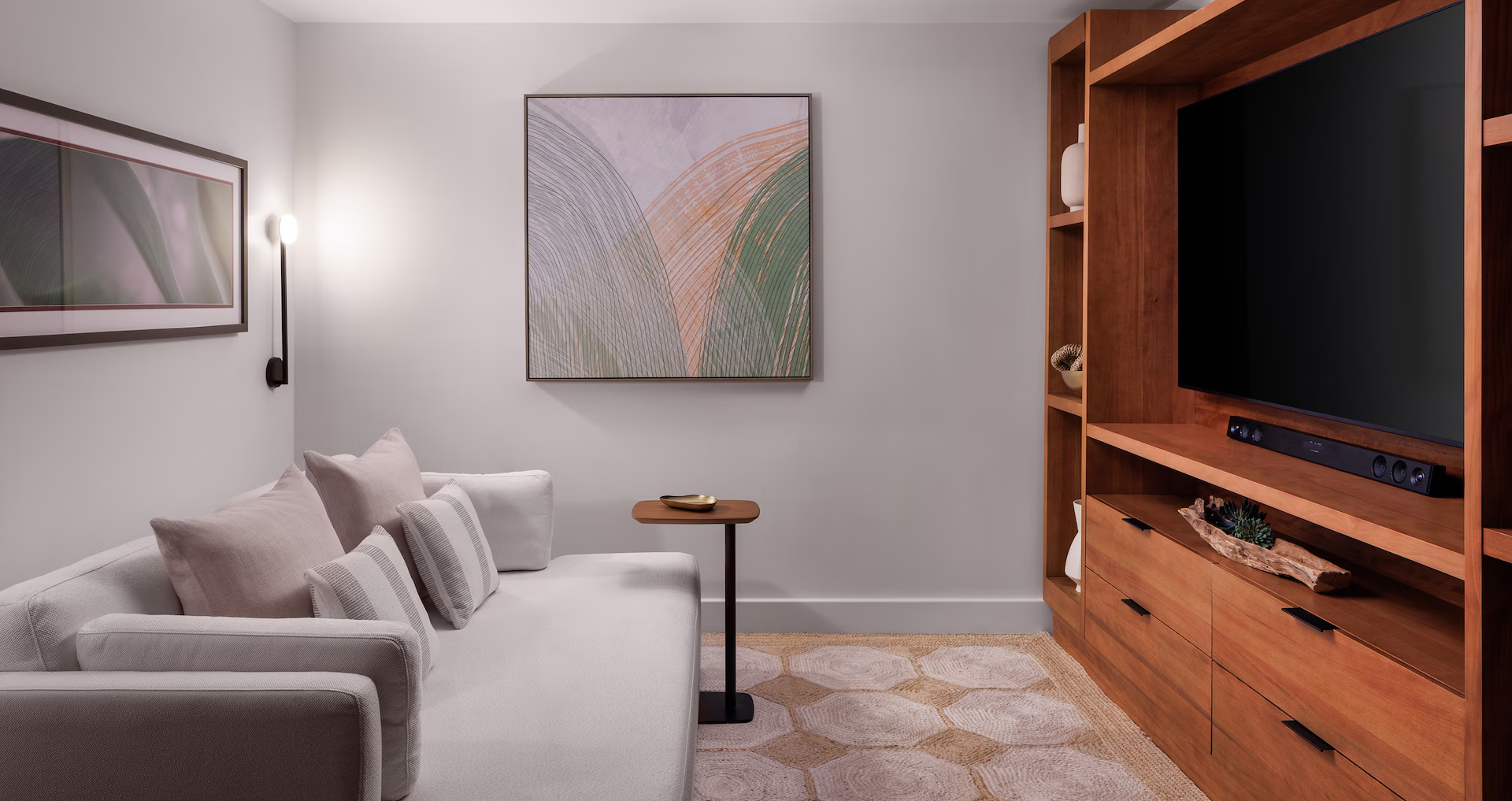
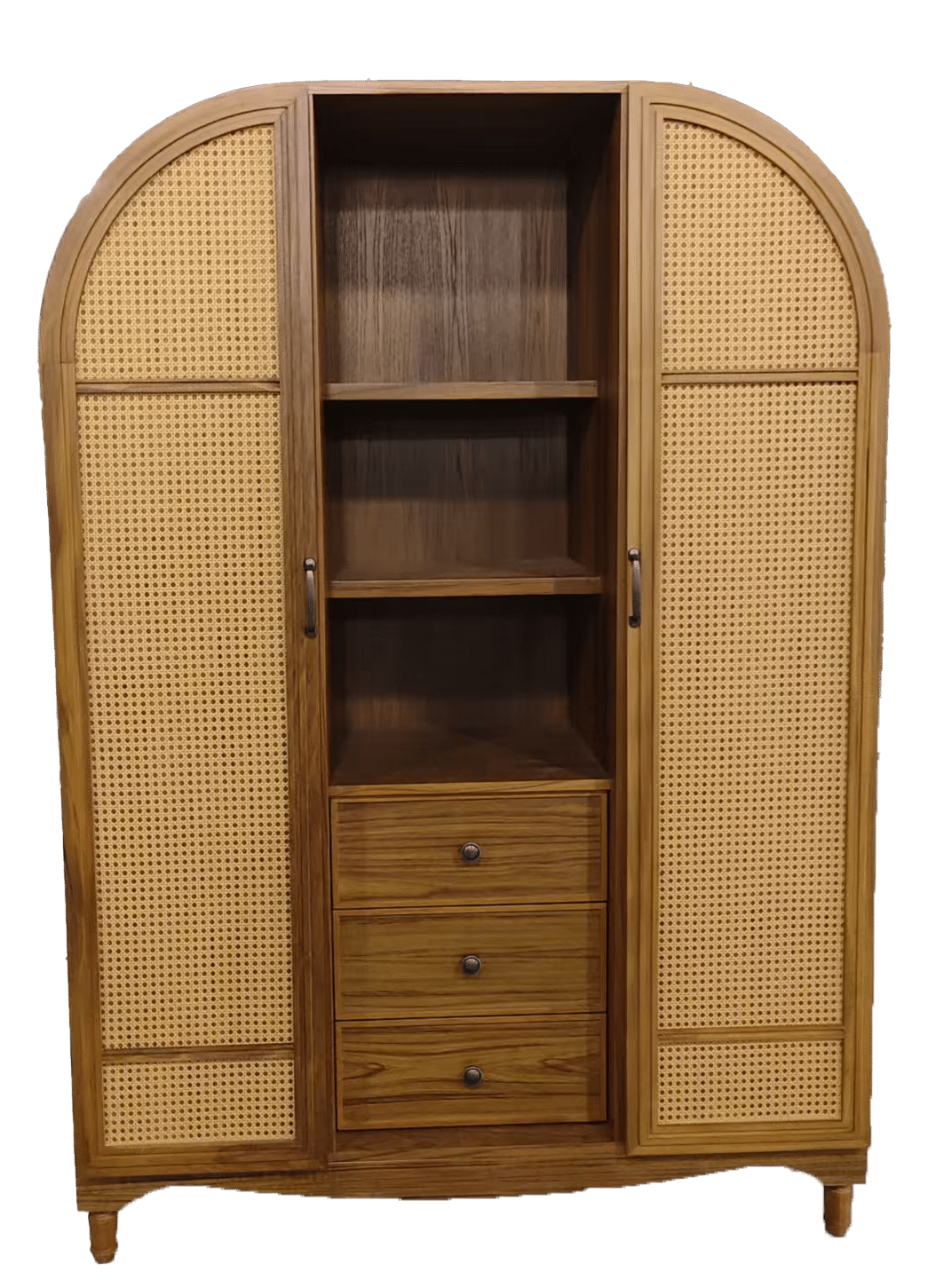
Example: For the Mercure Flagstaff Melbourne project, Betherev’s custom wardrobes were engineered around existing wall columns—something no catalog product could achieve. The result? Perfect alignment, zero rework on-site, and a faster handover.
That kind of design freedom doesn’t just look better—it strengthens your brand identity and helps every property under your name feel consistent and high-end.
The real difference between custom and ready-made furniture often hides beneath the surface. Custom manufacturers like Betherev use E0-grade plywood, fire-retardant foam, and environmentally safe finishes, all certified under ISO 9001/14001 and BIFMA testing standards.
Joints and edges hold up under heavy use (± 0.5 mm tolerance).
Surfaces resist scratches and moisture from hotel-grade cleaning.
Upholstery meets Crib 5 or CAL 117 fire safety requirements.
Ready-made furniture, designed for residential use, rarely meets these durability standards. It may start peeling or wobbling after a few years, leading to costly replacements and inconsistent room quality.
Procurement Insight: Replacing 50 bedside tables in a 200-room hotel due to laminate failure costs far more than choosing the right materials upfront.
Custom-built furniture is engineered to last 10 years or more, even under full occupancy. That durability translates directly to lower operational costs and fewer guest complaints.
Business Impact: How Furniture Choices Affect Project ROI
From a developer’s perspective, furniture isn’t just décor—it’s a capital investment.
Here’s what many owners overlook:
Delays cost more than upgrades. One week of delayed opening in a 200-room hotel can mean tens of thousands in lost revenue.
Frequent replacements inflate long-term costs and waste management expenses.
Brand audits can penalize inconsistent finishes or substandard materials.
Custom-made furniture costs more upfront, but it protects your ROI across the asset’s lifespan.
You can plan these milestones easily using our free FF&E project timeline template to track cost, schedule, and QC reports.
For example:
Item
Ready-Made (Avg.)
Custom-Made (Avg.)
Lifespan
Total Value per Year
Bedside table
$200
$350
4 yrs vs 10 yrs
$50 / yr vs $35 / yr
Wardrobe
$600
$900
5 yrs vs 12 yrs
$120 / yr vs $75 / yr
Over a full renovation cycle, custom furniture delivers higher stability, better guest retention, and fewer unplanned expenses—making it the smarter financial choice.
Project Management and Procurement Workflow
Custom projects require coordination—but done right, it actually reduces risk. The process typically follows five structured stages:
Design & Specification – Designers and manufacturers confirm materials, finishes, and mock-up details.
Shop Drawings & Samples – 3D drawings, physical samples, and finish panels are reviewed and approved.
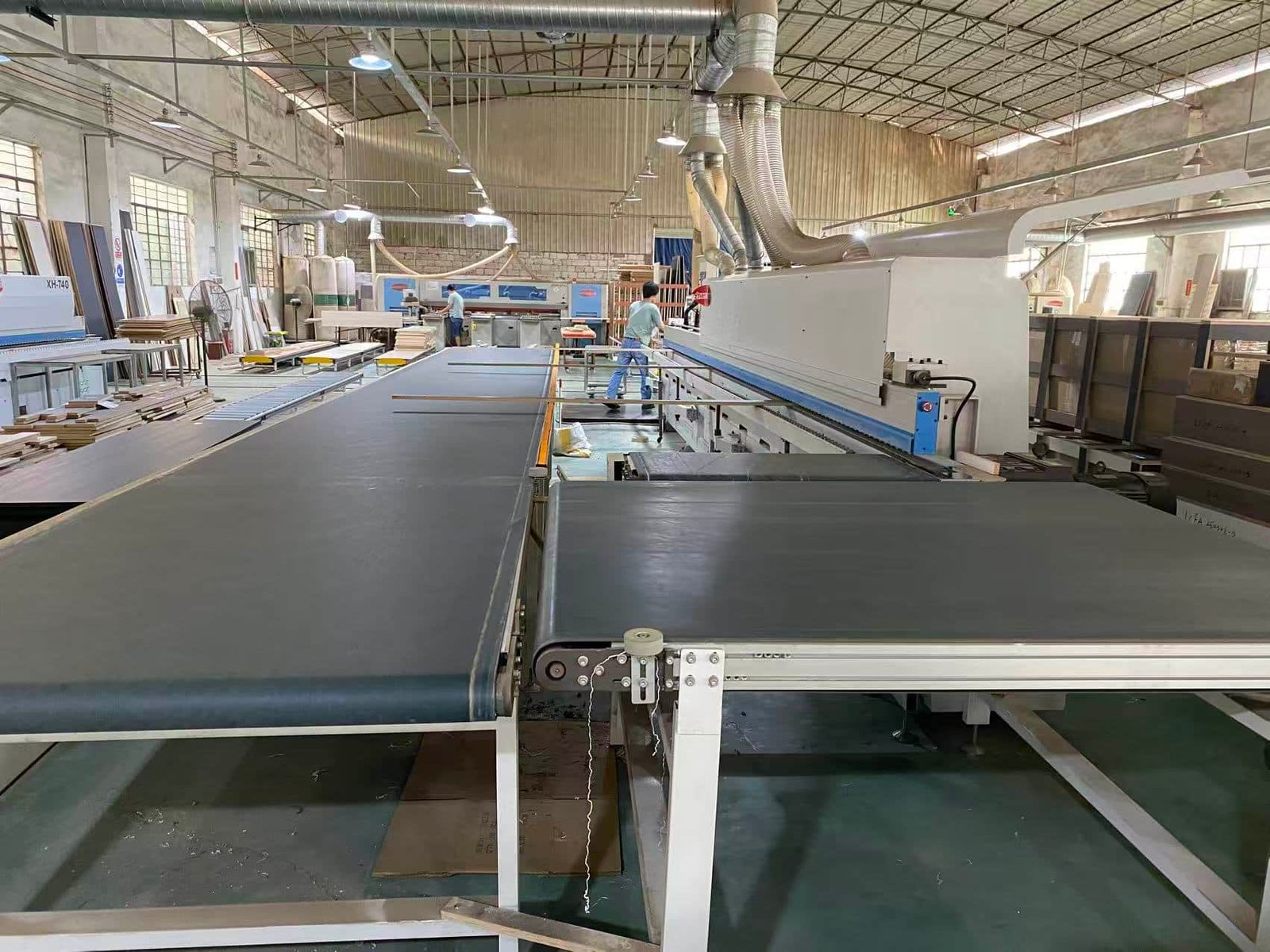
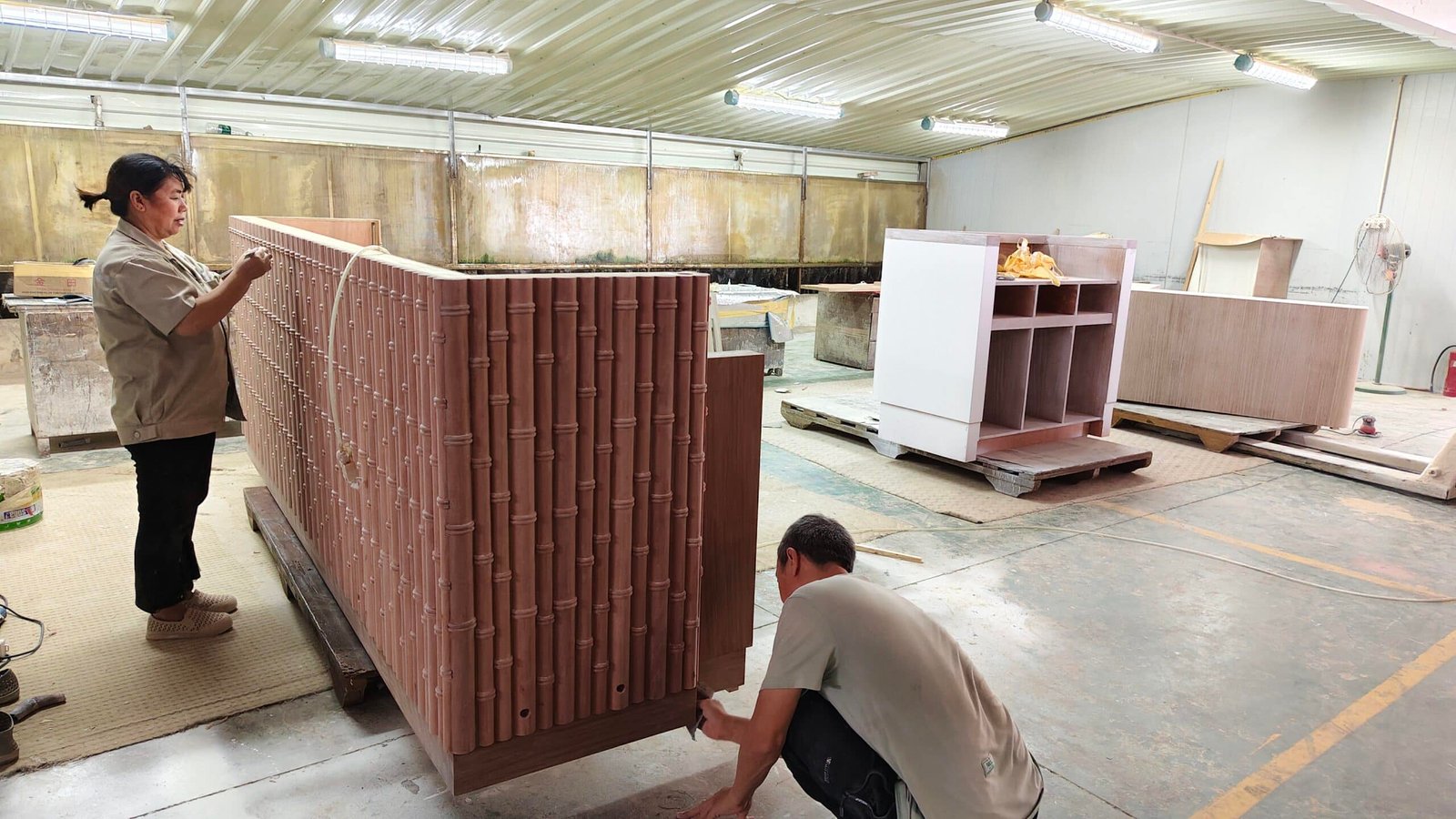
Production & QC – Progress is tracked through 30% / 60% / 90% reports and digital inspection photos.
Packing & Shipping – Each item is bar-coded, moisture-proof packed, and matched to the installation sequence.
Site Installation – Delivery is coordinated with construction readiness to prevent storage or damage issues.
Project Manager Tip: Request bar-coded packaging and container loading plans early. It saves days of confusion on-site and prevents rework costs.
Let’s address the big question: Is custom really worth it?
Factor
Ready-Made
Custom-Made
Impact
Upfront cost
Lower
Higher
Custom = 20–40% more
Design match
Limited
Exact
Full brand alignment
Durability
3–5 years
10+ years
Lower replacement cost
Lead time
2–4 weeks
12–16 weeks
Plan ahead
ROI
Short-term
Long-term
2–3× better lifespan value
In practice, developers who plan early find that custom manufacturing doesn’t delay the project—it streamlines it. When FF&E is synchronized with the construction program, installation happens faster and cleaner, with fewer site adjustments or returns.
Which Option Is Right for Your Hotel Project?
Every project is different. The right choice depends on your brand, design complexity, and timeline.
Scenario
Best Option
Why
Luxury or boutique hotel
Custom-made
Brand alignment & unique design
Chain midscale property
Hybrid
Custom casegoods + ready-made seating
Budget refurbishment
Ready-made
Faster, low investment
Long-term development
Custom-made
Higher durability & value
Hybrid approaches are common: custom wardrobes and vanities with ready-made chairs or desks. This keeps design consistency while controlling costs.
Example: For Waldorf Astoria Costa Rica, Betherev coordinated multi-container shipments of custom casegoods and locally sourced chairs—saving storage fees and maintaining design harmony. See more hotel furniture case studies from Betherev’s global portfolio.
Quality Assurance and Risk Management
Every real-estate owner fears one thing: delays at handover. Professional FF&E planning—especially with a custom manufacturer—helps you avoid that risk.
Betherev’s factory provides:
Digital progress dashboards (30 / 60 / 90 % milestones)
Pre-shipment QC dossiers with photos and inspection data
Damage logs and replacement protocols before container sealing
This proactive workflow keeps projects transparent, minimizing disputes and protecting your brand from last-minute surprises.
If you’re planning your next property, you can request a project quotation or schedule a consultation with our FF&E team.
Conclusion
Choosing between custom-made and ready-made hotel furniture isn’t just a design decision—it’s a strategic investment decision. Ready-made furniture might save a few weeks or dollars upfront, but custom-built solutions protect your brand consistency, durability, and ROI for years to come.
For hotel developers and project managers, the smartest move is to plan FF&E early and partner with a manufacturer who understands both design and delivery.
Need guidance for your next hotel project? Betherev’s FF&E team offers free consultations to help you review drawings, set budgets, and align furniture planning with your construction timeline—so you can hand over on time, with confidence.
Custom-made furniture may cost more at first glance, but it delivers stronger brand value, fewer operational issues, and better long-term ROI. For serious developers, that’s not a luxury—it’s smart business.
FAQs
1. How much should I budget for custom hotel furniture?
Typically 5–8% of total construction cost. Luxury hotels may allocate up to 12%, depending on design scope.
2. How early should FF&E procurement start?
Ideally 6–8 months before handover. Early shop drawings prevent last-minute site conflicts.
3. Can I mix custom and ready-made furniture?
Yes. Many developers use custom casegoods for design consistency and ready-made chairs or tables to save time.
4. What documentation should I ask from a manufacturer?
QC reports, material certificates (E0/FSC), fire test reports, and packing lists with HS codes.
5. How does Betherev manage international delivery?
Through consolidated shipping plans, digital progress tracking, and moisture-proof export packaging—ensuring your FF&E arrives on time and ready to install.