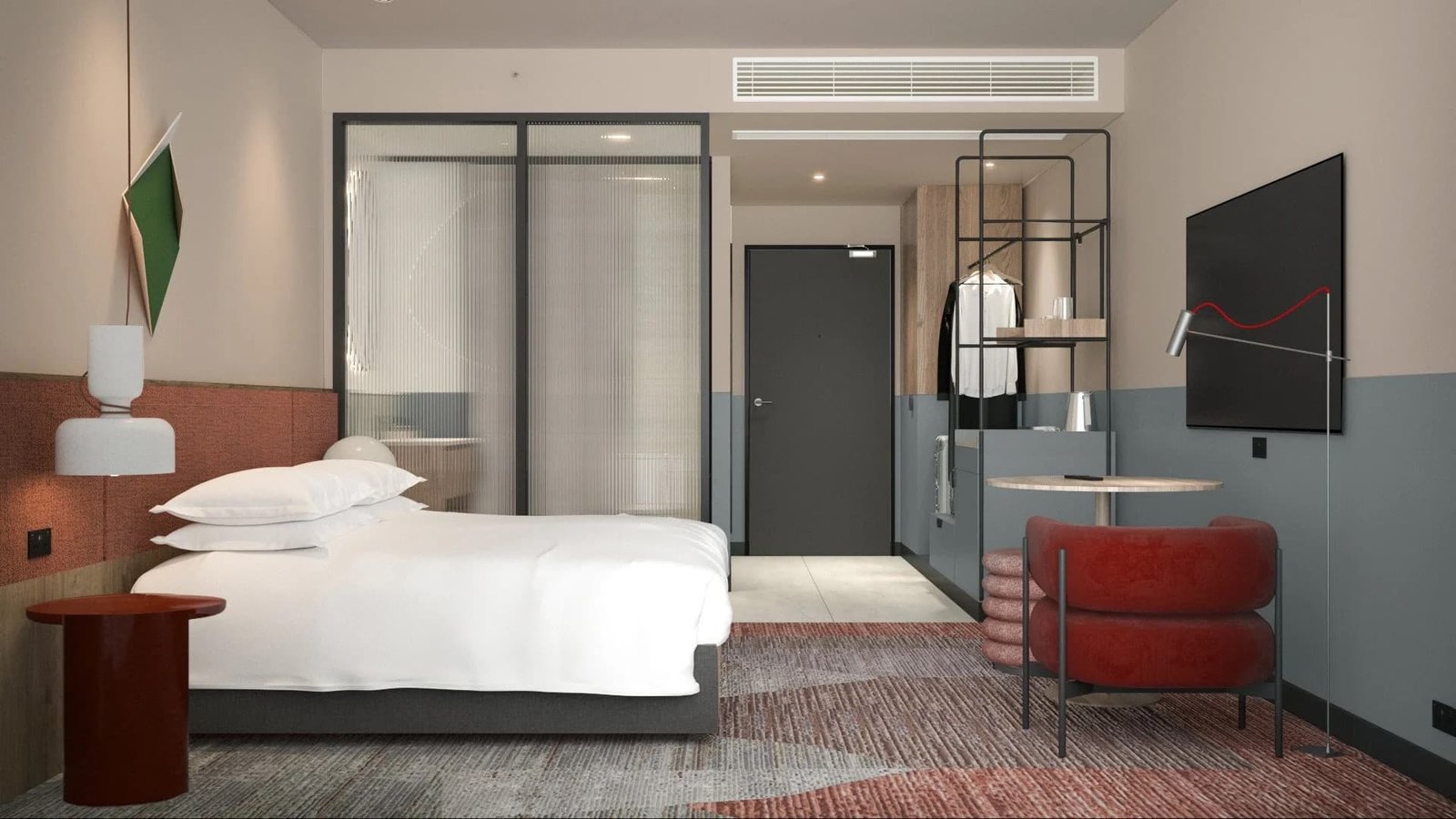
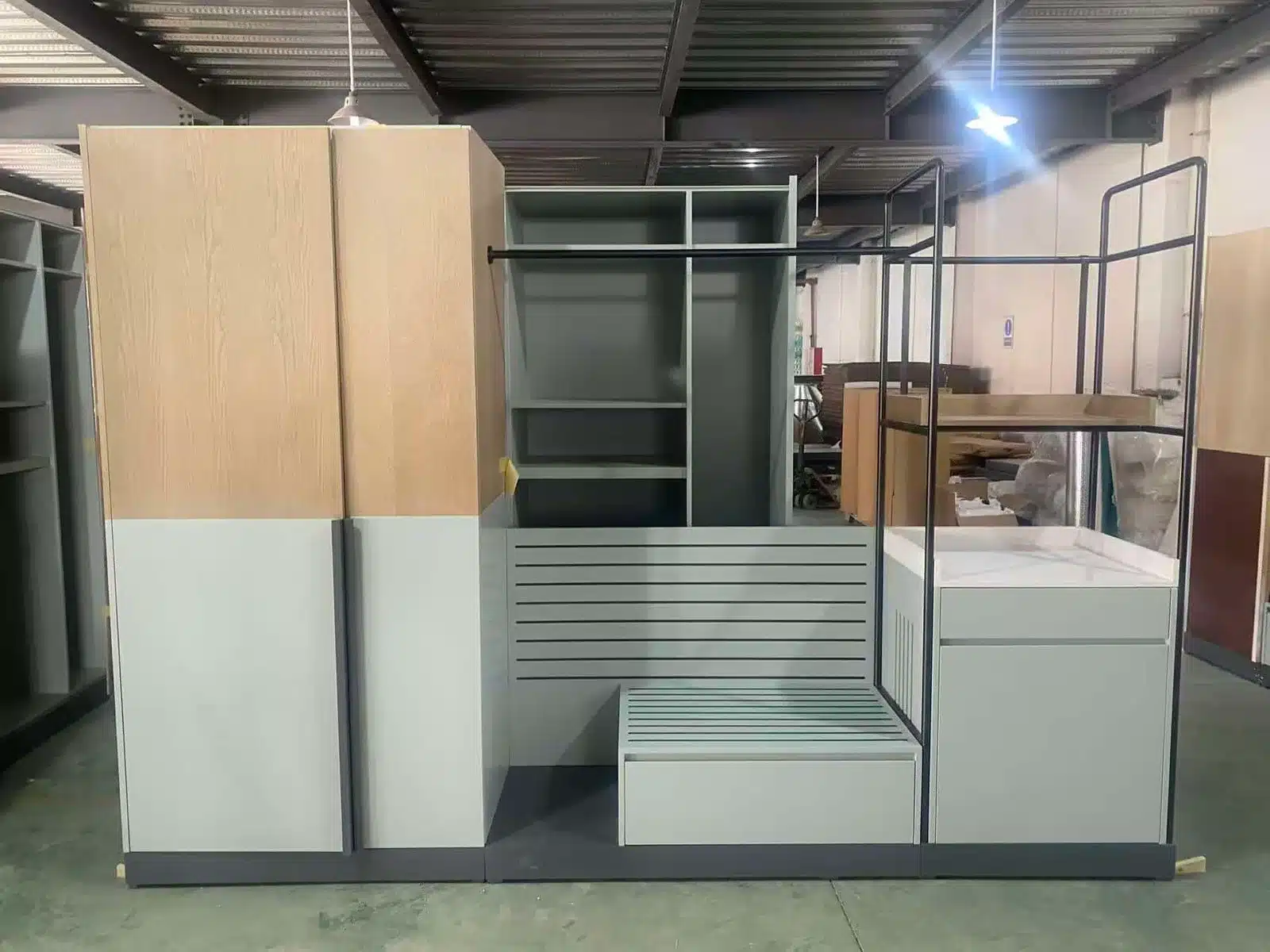
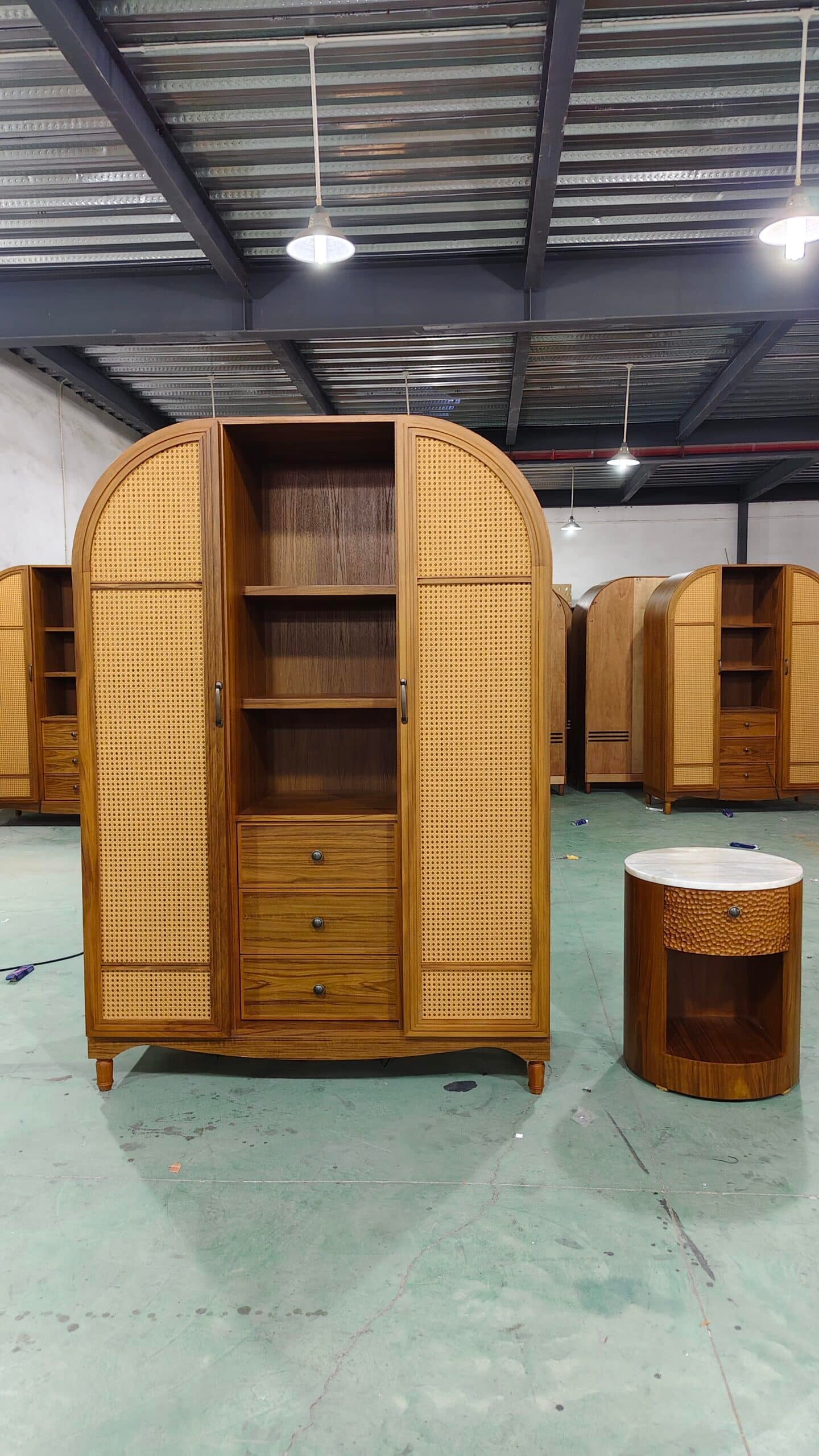
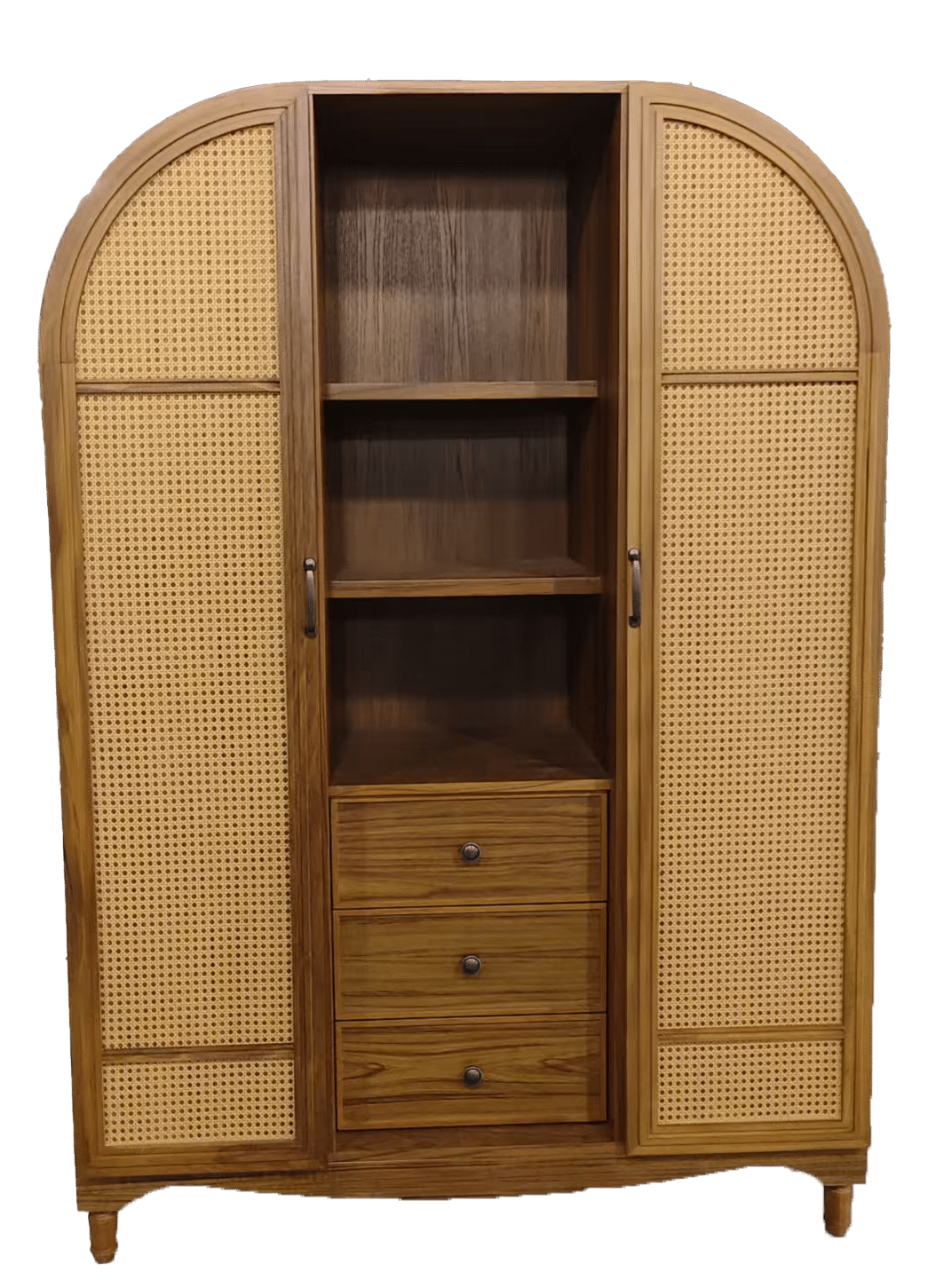
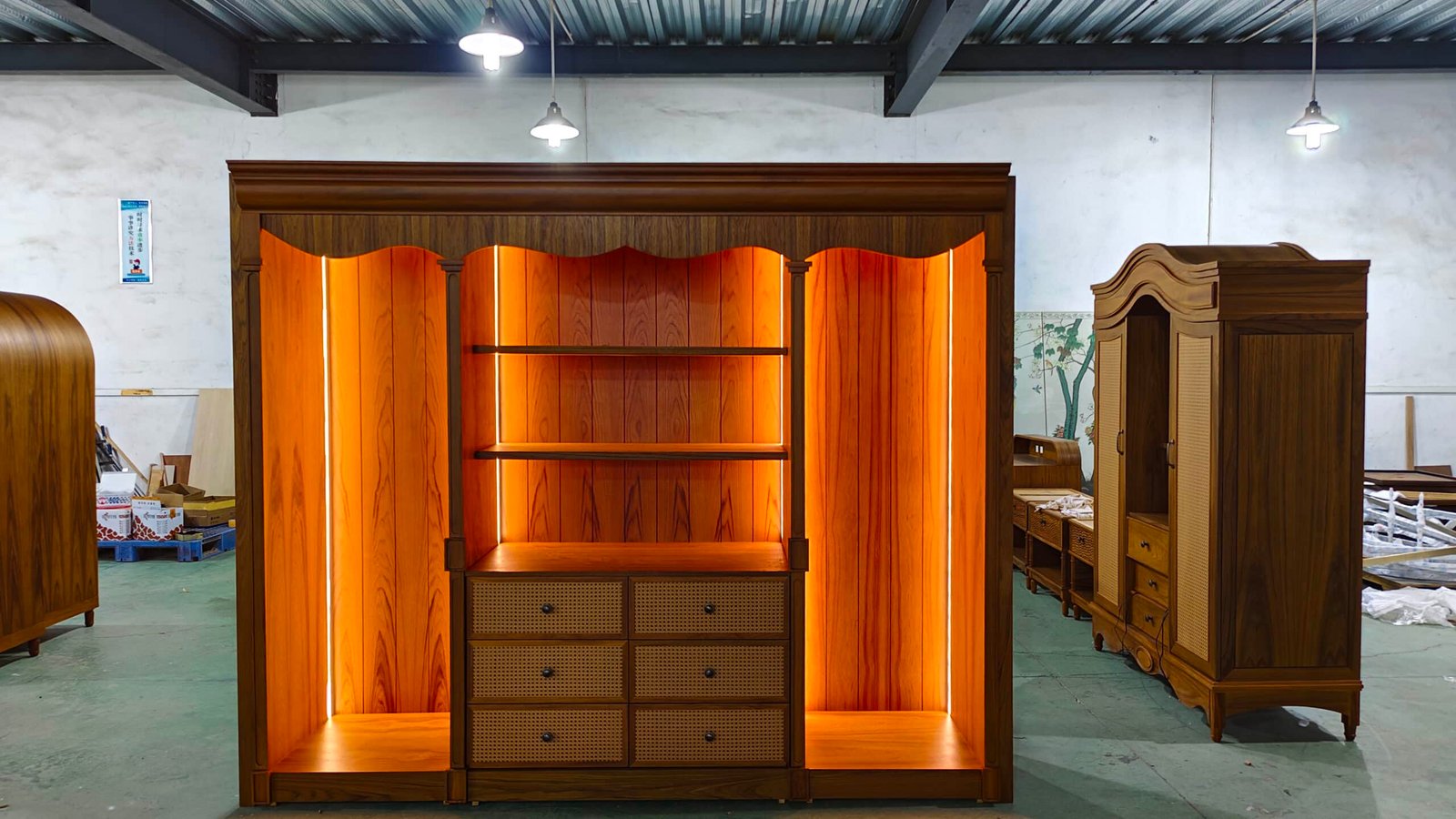
A poorly planned hotel wardrobe is one of the top complaints in hotel guest reviews—too small, too dark, no ventilation, or impossible to use. In 4–5 star hotels, the wardrobe affects more than storage; it impacts guest satisfaction, housekeeping efficiency, and even brand compliance.
Choosing the right hotel wardrobe is no longer about selecting a cabinet. It’s a technical decision that affects durability, guest flow, room layout, maintenance cost, and long-term ROI. In this guide, you’ll learn exactly how to select, test, and approve a hotel wardrobe that works for designers, procurement teams, hotel operators, and guests.
Whether you’re a hotel developer, procurement manager, FF&E buyer, or a creator researching hospitality design—this is the complete step-by-step guide.
What You’ll Need
• A clear room layout with dimensions • Brand standards (Marriott, Hyatt, IHG, Hilton, Accor—if applicable) • Sample materials (melamine, veneer, laminate, metal, glass) • MEP coordination drawings • A mock-up room (recommended but not required)
Step 1: Define the Wardrobe’s Function in the Guest Journey
A hotel wardrobe isn’t just a storage box in the corner of a hotel room. It shapes guest flow, comfort, and housekeeping efficiency. When you get the function right from the start, everything else—materials, layout, design—falls into place more easily.
Before making any design decisions, think about who will use the hotel wardrobe and how long they’ll stay. A short-stay business traveler uses it very differently from a family staying for a week.
You’ll also want to decide what the wardrobe must integrate—minibar, safe, ironing board, or lighting. Each added component affects ventilation, wiring, and internal space.
Actions
• Identify the expected guest stay length (transient vs. long-stay). • Decide on the required capacity: hanging space, shelves, and luggage bench. • Confirm whether the hotel wardrobe needs to include a minibar, safe, ironing board, or lighting.
Mistakes to Avoid
• Designing the hotel wardrobe too shallow—hangers require at least 550 mm internal depth. • Forgetting ventilation for the minibar or LED driver, which can cause heat buildup or failure.
Tools / Info Needed
• Guest personas • Brand design and room standards • The sample room layout
Expected Result
A clear and detailed functional scope for the hotel wardrobe before choosing materials or hardware.
Step 2: Choose the Right Materials for Durability and Cost Control
Hotel wardrobes take a lot of abuse. Guests slam doors, overload shelves, and hang wet clothes. Material choice determines how long a hotel wardrobe lasts — and how often repairs are needed.
For economy hotels, melamine and ABS edges work well. For mid-scale properties, laminate and strong metal hardware provide durability. For luxury hotels, real veneer, metal trims, and soft-close hardware define premium quality.
E0/E1 plywood outperforms MDF in moisture resistance — essential for a hotel wardrobe in humid environments.
Mistakes like inconsistent veneer direction or cheap hinges can severely reduce wardrobe lifespan.
Choosing suitable materials ensures your hotel wardrobe lasts 10+ years with minimal maintenance.
Step 3: Plan the Internal Layout for Maximum Guest Convenience
The internal layout of a hotel wardrobe affects guest satisfaction more than the exterior design. A well-planned interior makes the wardrobe intuitive, convenient, and frustration-free.
Set the hanger rail at 1450–1500mm, add LED lighting with a sensor, and ensure proper luggage space. Adjustable shelves improve flexibility, and metal rails prevent long-term warping.
Avoid placing the safe too high, installing unreachable rails, or forgetting space for extra pillows or an ironing board.
A thoughtful internal layout makes the hotel wardrobe easy and pleasant to use for all guests.
Step 4: Ensure Brand Standards & MEP Integration Are Correct
A hotel wardrobe is connected to lighting, electrical, HVAC, and fire safety systems. Poor coordination leads to issues that are costly to fix later.
Actions
• Coordinate with the MEP team on sockets, LED drivers, and airflow. • Follow brand standards, especially lighting temperature (commonly 3000K). • Ensure accessible rooms meet ADA requirements where applicable.
Mistakes to Avoid
• Blocking AC vents with wardrobe panels. • Allowing a minibar to overheat due to poor ventilation. • Using non-fire-rated materials where fire-rated ones are required.
Expected Result
A hotel wardrobe that aligns with brand, engineering, and safety requirements.
Step 5: Build & Test the Wardrobe in a Mock-Up Room (Critical Step)
A mock-up room reveals how a hotel wardrobe performs in real use. Around 80% of issues appear here, long before mass production.
Check movement quality, door alignment, hinge strength, lighting uniformity, sensor accuracy, noise, and collision with nearby furniture.
Inspect veneer, color matching, and edge finishing carefully.
Mistakes to Avoid
• Skipping humidity testing • Approving the wardrobe before all hardware is installed • Ignoring ventilation tests for minibars
Expected Result
A fully tested, quiet, durable, and visually consistent hotel wardrobe ready for production.
Bonus Tips & Advanced Moves
Use motion sensors for energy saving
A motion sensor makes the hotel wardrobe feel premium while reducing energy waste.
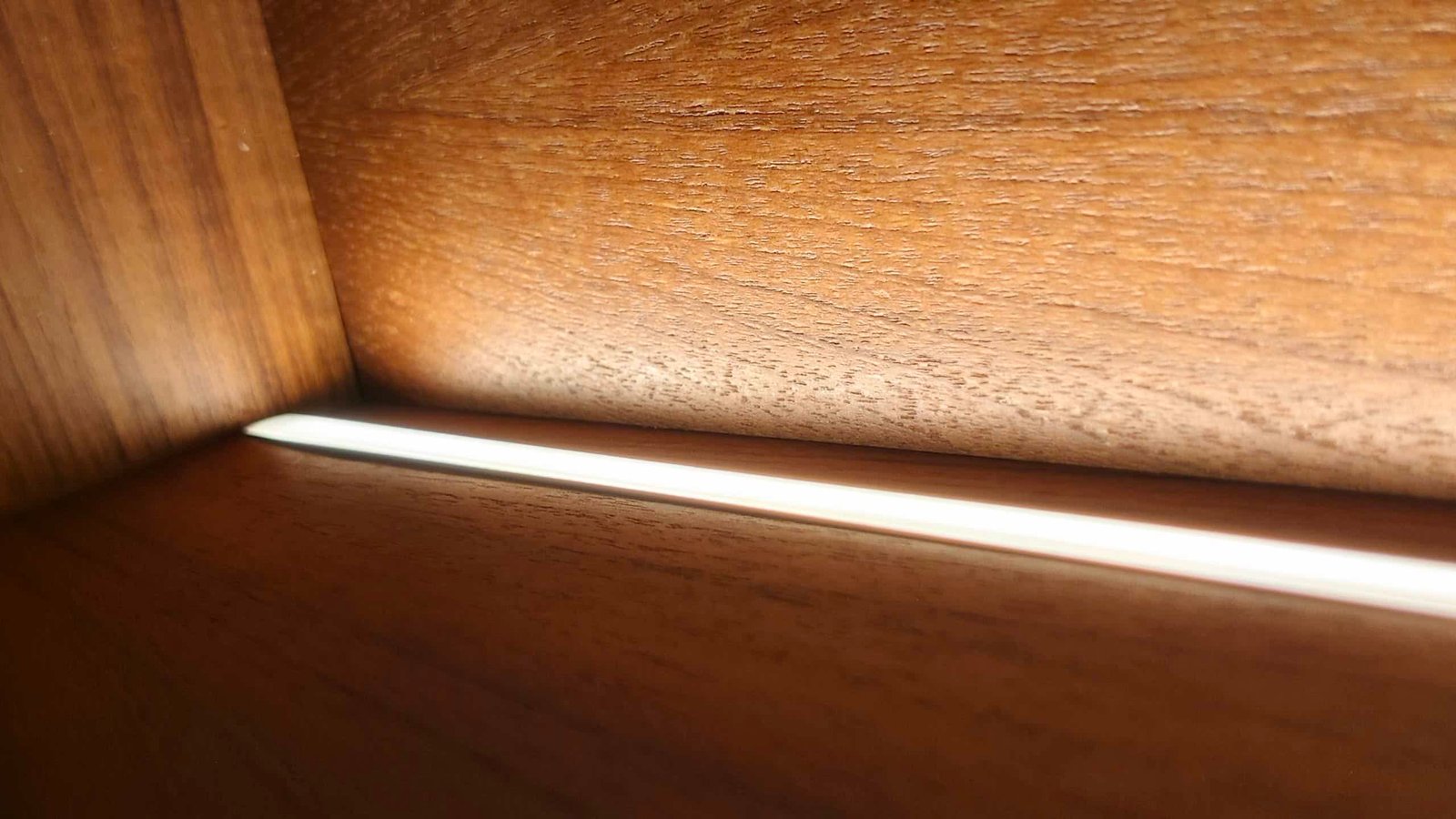
Add soft LED strip under the luggage bench
This creates convenient nighttime visibility without disturbing other guests.
Use metal trims on high-wear edges
Protects the hotel wardrobe from trolleys, suitcases, and cleaning tools.
Add built-in ironing board compartments
Perfect for long-stay or business-focused hotels.
Use fingerprint-resistant finishes
Ideal for luxury hotel wardrobe designs that require a pristine appearance.
Conclusion
By following this guide, you can confidently select a hotel wardrobe that enhances guest experience, reduces maintenance, ensures brand compliance, and lasts for years. You now understand functionality, materials, layout planning, mock-up testing, and production approval—everything needed for a reliable, modern hotel wardrobe.
FAQs
1. What is the ideal depth for a hotel wardrobe?
The ideal internal depth for a hotel wardrobe is at least 550 mm. This ensures standard hangers fit comfortably without hitting the doors or getting stuck.
2. What materials are best for a hotel wardrobe?
For durability, E0/E1 plywood is preferred because it resists moisture better than MDF. • Economy hotels → Melamine + ABS edges • Mid-scale → Laminate + strong metal hardware • Luxury hotels → Veneer, metal trims, soft-close systems
3. Why is a mock-up room important when designing a hotel wardrobe?
A mock-up room allows you to test movement, lighting, ventilation, durability, and layout before mass production. About 80% of issues are discovered in the mock-up stage, saving time and cost.
4. What lighting should be used inside a hotel wardrobe?
Most hotel brands recommend 3000K warm LED lighting. Motion sensors are ideal because they turn the wardrobe light on automatically and save energy.
5. How can ventilation be ensured in a hotel wardrobe with a minibar?
Include front and back ventilation paths, ensure proper airflow around the compressor, and avoid sealing the minibar in a closed compartment. Poor ventilation causes overheating and guest complaints.
6. What is the recommended height for the hanger rail in a hotel wardrobe?
The hanger rail should be set at 1450–1500mm so most guests—including women and elderly guests—can comfortably reach it.
7. How long should a hotel wardrobe last?
A well-built hotel wardrobe using premium hardware and proper plywood can last 10+ years, even under heavy daily use.
8. What are the most common mistakes in hotel wardrobe design?
Common mistakes include: • Insufficient depth for hangers • No ventilation for minibars • Placing safes too high • Ignoring ADA requirements • Poor grain matching in veneer • Using cheap hinges that fail within a year
9. What features improve guest convenience in a hotel wardrobe?
Useful features include: • LED motion-sensor lighting • Adjustable shelves • Luggage bench area • Metal hanging rails • Hidden ironing board compartments • Anti-fingerprint finishes
10. Should a hotel wardrobe follow brand standards?
Yes. International hotel brands like Marriott, Hilton, Hyatt, IHG, and Accor have strict standards for dimensions, lighting, finishes, and accessibility. Following brand guidelines avoids rework and approval delays.
11. How do I choose the right wardrobe layout for different types of guests?
Short-stay guests need quick access and simple storage. Long-stay guests benefit from adjustable shelves, larger hanging space, luggage zones, and ironing board integration.
12. Does a hotel wardrobe need soft-close hinges?
For mid-scale to luxury hotels, yes. Soft-close hinges reduce noise, prevent damage, and improve the perceived quality of the room.
13. How do I ensure the wardrobe doors don’t hit other furniture?
Test the layout in a mock-up room. Check the door swing, sliding door track clearance, and collisions with beds, minibars, and luggage benches.
14. Why is plywood better than MDF for hotel wardrobes?
Plywood has superior moisture resistance, making it ideal for hotel rooms with humidity changes. MDF swells, warps, and weakens over time.
15. What upgrades can improve a luxury hotel wardrobe?
For premium rooms, consider: • Metal accents • Anti-fingerprint surfaces • Soft LED night lighting under the luggage bench • Built-in ironing board • Seamless integrated safe