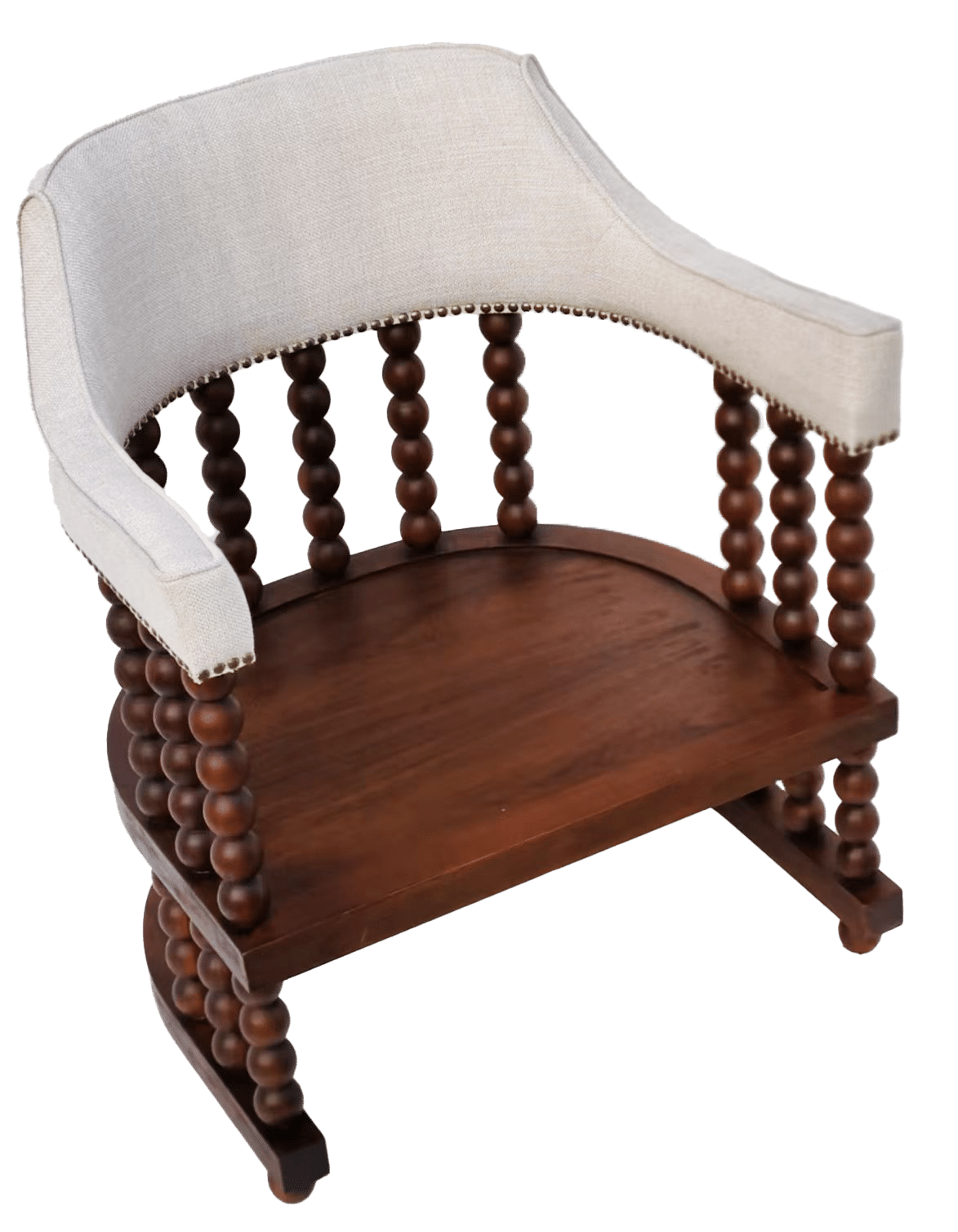
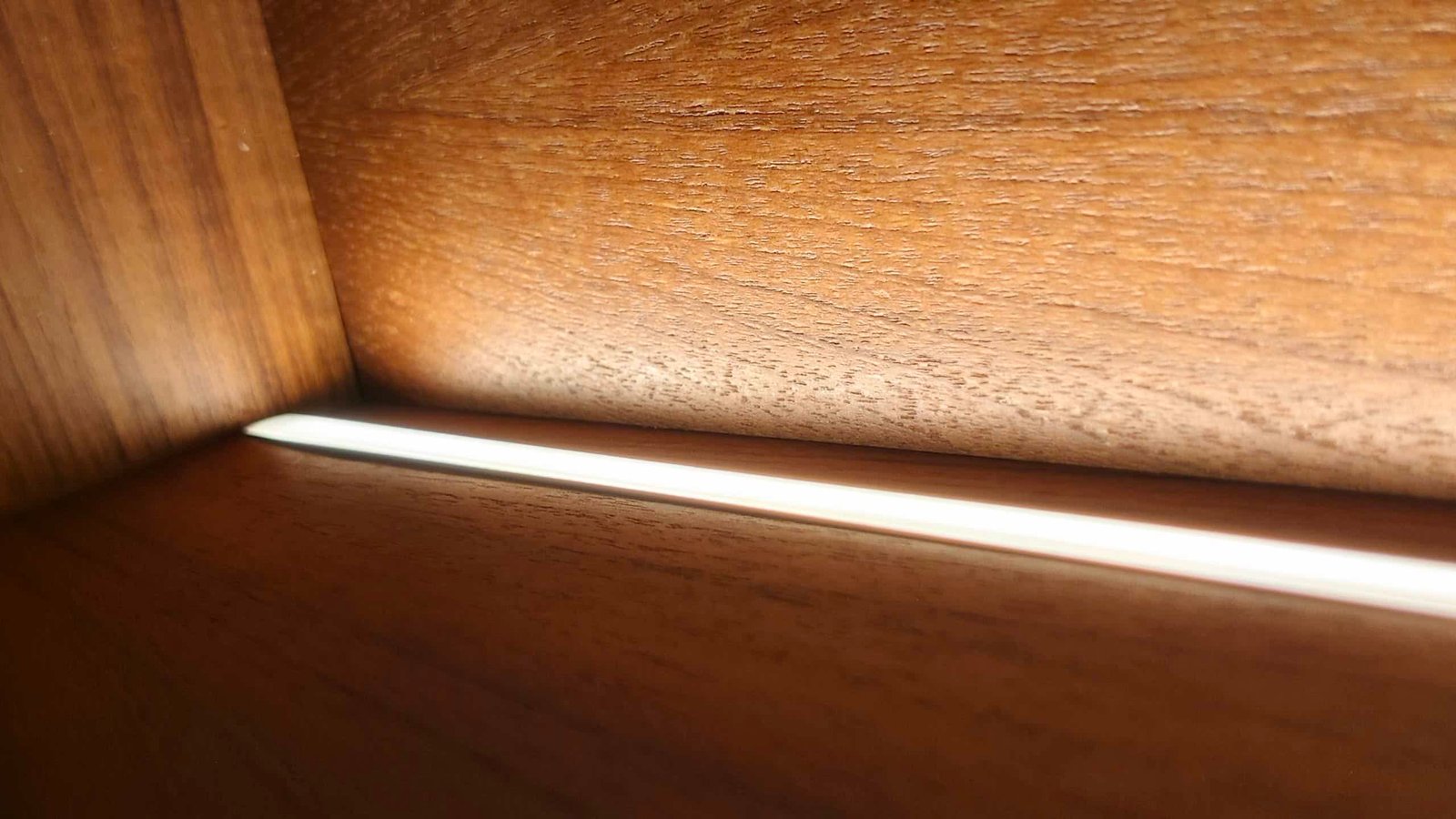
Selecting a hotel furniture supplier isn’t just a procurement task—it’s a strategic decision that affects project timelines, brand compliance, guest experience, and operational durability for the next 5–10 years. In hospitality, furniture is more than décor: it must survive constant wear, local climate, housekeeping chemicals, and repeat guest usage. A wrong supplier can cause budget blowouts, delayed handovers, and costly rework during installation.
As an experienced hotel furniture supplier who has worked with developers, contractors, hotel owners, and international design teams, I’ve seen the patterns behind successful projects—and the root causes of the failures. The truth is simple: most furniture issues are avoidable if you choose the right partner from the beginning.
This guide provides a deeply practical, technically informed roadmap for evaluating hotel furniture suppliers—not based on theory, but based on thousands of rooms manufactured, installed, corrected, and delivered over decades.
(Highly Recommended for Accurate Supplier Evaluation)
FF&E schedule or at least preliminary furniture list
Concept drawings or design intent moodboards
Room type quantities and estimated handover date
Brand standards (if under Hilton, Marriott, Accor, IHG, etc.)
Required certifications: ISO9001, ISO14001, FSC, fire ratings
Budget range and VE expectations
Project manager or onsite lead responsible for FF&E coordination
Step 1: Define Your Project Requirements with Professional-Level Clarity
Most hotel projects fail long before production starts. They fail at the definition stage—because unclear scope creates mispricing, misalignment, and manufacturing assumptions that eventually become project risks.
What Expert Suppliers Look For (but Clients Often Forget):
Furniture dimensions that clash with MEP (Example: minibar height exceeding beam clearance)
Unrealistic finishes Designers sometimes specify veneers or stones that cannot be sourced consistently at scale.
Incorrect foam specifications If not defined early, suppliers may choose cheaper densities.
Brand durability requirements Hilton drawers require different runners than Marriott or Accor.
Installation conditions Furniture may not fit because plasterboard thickness varies or floor buildup changes.
Expert Insight:
A good hotel supplier will request a technical feasibility review before quoting. This saves 5–12% of total cost by identifying unnecessary specifications, structural weaknesses, and over-engineering.
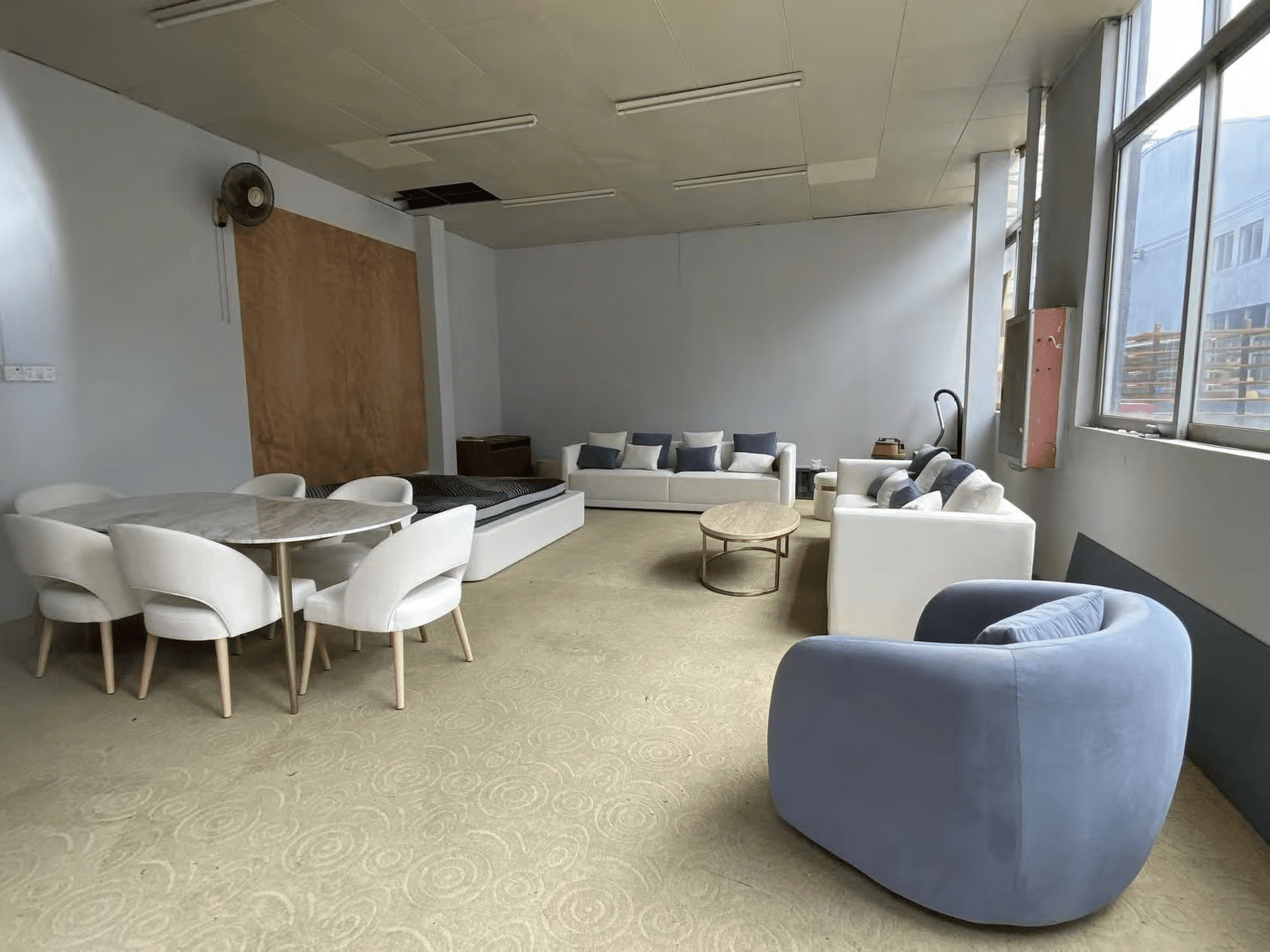
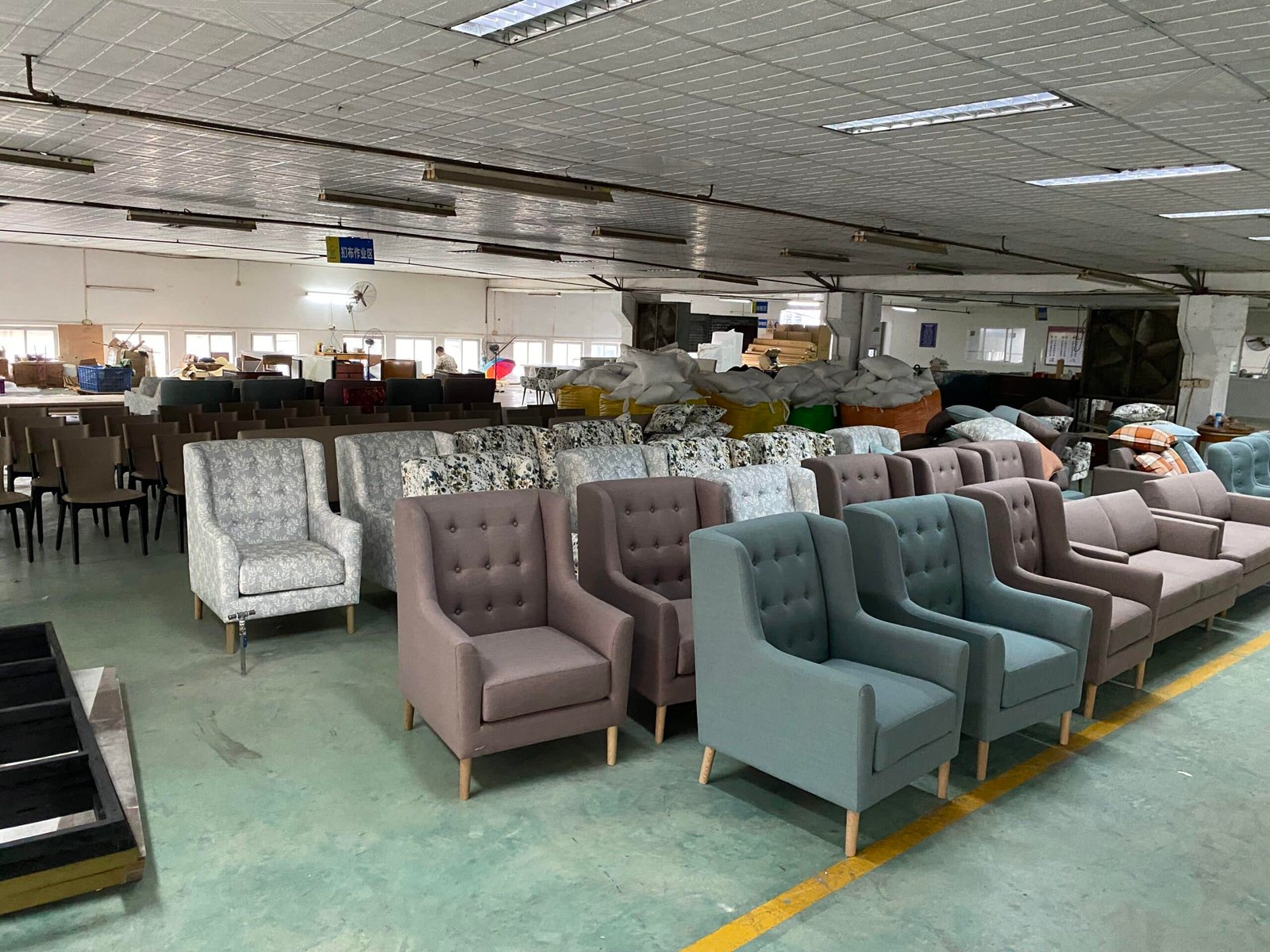
Step 2: Distinguish a Real Factory from a Trading Company (Most Developers Can’t)
The hospitality sector is flooded with trading companies presenting themselves as factories. This leads to inconsistent quality, weak QC, unclear responsibility, and higher risk.
What True Factories Have (That Traders Cannot Fake):
CNC machining workshops
Veneer pressing rooms with humidity control
Upholstery workshop with foam cutters & stitching lines
Metal fabrication line (welding, grinding, polishing, PVD)
Paint booth for PU or UV coatings
In-house QC team with calibrated tools
Documented workflow and ISO procedures
What Traders Always Struggle With:
Quality consistency
Solving site issues
Engineering drawings
Fixing production mistakes
Providing spare parts
Providing accurate lead times
Professional Test:
Ask for a live video call walking through: wood → metal → upholstery → painting → QC → packing.
No trader can pass this test.
Step 3: Evaluate Sample Quality Like a Professional Furniture Engineer
Your mock-up room (MUR) reveals 90% of future mass production issues. Most developers only look at aesthetics—but experts know what truly matters.
What You MUST Check (High-Level Supplier Checklist):
1. Structural Strength
Chair must pass a 120 kg drop-load test.
Bed base must support 250–300 kg static load.
2. Veneer Consistency & Grain Direction
Poor factories mix different veneer batches → color mismatch in rooms.
3. Foam Density & Longevity
Hotel-grade: 35–45 kg/m³
Cheaper foam sinks after 6 months.
4. Hardware Quality
Use only Hettich, Hafele, DTC, or equivalent. Low-quality runners cause noisy drawers within months.
5. Paint Durability
UV coating is more scratch-resistant than PU. Ask for abrasion test results.
6. Edge Precision
±0.5 mm tolerance is the professional standard. Anything beyond that is visible onsite.
Expert Insight:
Great factories always document sample approval with a sealed finish board, signed by all stakeholders. This protects you during mass production.
VALUE ENGINEERING (VE) CHART
Category
Original Specification
VE (Value Engineering) Alternative
Impact
Wood Material
Solid Ash / Solid Oak
Ash veneer + MDF substrate
Same look, 20–35% cost savings
Metal Components
Solid stainless steel bar
Stainless steel tube (PVD/brushed finish)
Lighter weight, lower cost
Upholstery
Full genuine leather
Half leather + PU on non-contact areas
Maintains appearance, reduces cost
Cushion Foam
45 kg/m³ foam for entire chair/sofa
45 kg seat + 35 kg back & sides
Same comfort with optimized materials
Paint Finish
PU 5–7 layer coating
UV coating
Stronger scratch resistance, lower cost
Drawer Runners
Hafele / Blum premium models
DTC soft-close
Good performance with lower cost
Bed Base
Full timber slab base
Metal frame + structural plywood beams
Higher strength, lower material use
Table Top
Natural marble
Engineered stone / sintered stone
More durable, cost-effective
Headboard Core
Full solid wood structure
Plywood + lightweight panel backing
Same stability, lower cost
Lighting
Custom integrated lighting modules
Standardized LED modules approved by designer
Easier replacement & maintenance
Step 4: Analyze Project Management Strength (The True Indicator of Reliability)
Factories rarely fail because of machinery. They fail because of weak communication.
What You Should Expect from a Top-Tier Supplier:
Shop drawings delivered within 3–5 days
Technical clarifications within 24 hours
Weekly production updates
30% / 60% / 90% QC photo reports
A dedicated PM + QC engineer
Coordination with designers, contractors, and site teams
Lock hardware brand, grade, and model number in contract
LOW
Small dimension deviations
Installation adjustments
Define tolerances clearly (±0.5 mm recommended)
Step 5: Evaluate Packing, Logistics, and Shipping Like a Global Procurement Expert
More hotel projects face delays and complaints due to poor packing and logistics than poor production.
What Professional Export Packing Looks Like:
5–7 layer export cartons
Custom foam molds
20–30 mm EPE edge protection
Moisture-proof PE film
Corner protectors + edge guards
Wooden crates for mirrors, marble, and lights
Full labeling: room number, floor, item code
Container loading plan for maximum CBM efficiency
What Poor Suppliers Do:
Random packing → chaotic installation
Thin carton → damages
No fumigation → container held at customs
Wrong HS code → tax penalty
Wrong labeling → onsite confusion & delays
Inconsistent CBM planning → higher shipping costs
Expert Insight:
A supplier who saves you 1 container through optimization can reduce cost by USD 2,000–6,000.
That alone can offset price differences between suppliers.
Step 6: Verify Past Experience, Brand Compliance & Reference Projects
Not all “hotel furniture projects” are equal. Hotel-grade FF&E requires strict standards that normal residential furniture cannot pass.
What You MUST Verify:
1. Chain Brand Experience
Hilton
Marriott
Accor
IHG
Hyatt
Wyndham
Suppliers who passed these have proven engineering capability.
2. Photo Evidence
Compare:
Shop drawings
Mock-up photos
Installation photos
You’ll see if the supplier maintains consistency.
3. Repeat Clients
A supplier with repeated orders from the same developer is worth trusting.
4. References
Ask for contacts from completed projects.
Expert Insight:
Factories with real hotel experience rarely compete on the lowest price—they compete on predictability and zero-defect delivery.
Step 7: Review Contract, Warranty, and After-Sales Procedures with Precision
Contracts must protect you, not the supplier.
What Expert Suppliers Agree to:
Approved samples must be the benchmark for mass production
Clear finishing schedule
Color & tolerance standards
QC inspection checkpoints
Replacement policies
Final acceptance checklist
Warranty of 2–5 years
Spare parts included
Responsibility division for damage (factory vs logistic vs site)
Hidden Contract Risks to Avoid:
No mention of sample as the production benchmark
No tolerance range (allows supplier to argue later)
No delivery penalty clause
No requirement for material certificates
No mention of packing standards
No after-sales response time requirement
Expert Insight:
A contract that includes finish boards, drawing lists, QC forms, and material specifications reduces 80% of future disputes.
Conclusion
A hotel furniture supplier is not just a vendor—it’s a strategic partner responsible for the final “touch and feel” of your hotel rooms. By following the evaluations in this guide, you will dramatically reduce project risk, maintain design integrity, avoid installation delays, and protect your budget.
The right supplier doesn’t just deliver furniture. They deliver predictability, consistency, technical clarity, and schedule certainty—the elements that turn a hotel project from stressful to successful.
If you’d like help reviewing drawings, value-engineering your project, or preparing a full FF&E procurement plan, I’m happy to assist.
FAQs
1. What should I look for in a hotel furniture supplier?
You should look for a real factory—not a trading company—with in-house workshops for wood, metal, upholstery, and finishing. Check their past hotel projects, QC workflow, sample quality, export packing standards, and communication speed. A good supplier provides shop drawings within days, offers technical advice, and has clear after-sales support.
2. What is the difference between a hotel furniture factory and a trading company?
A factory manufactures the furniture themselves, ensuring consistent quality, stable pricing, strong QC, and full control over production. A trading company outsources work to different workshops, leading to inconsistent finishes, unclear communication, and higher risk of defects or delays. Always request factory videos or audits.
3. Why is a mock-up room (MUR) required for hotel projects?
A mock-up room allows you to verify the design, dimensions, finishes, comfort, material quality, and installation conditions before mass production. More than 80% of issues—such as veneer mismatch, hardware misalignment, or insufficient lighting—are discovered at the MUR stage. It protects your project and prevents expensive rework.
4. How long does hotel furniture production usually take?
A standard 80–150 room hotel project typically takes:
7–15 days for shop drawings
20–35 days for mock-up room sample
60–90 days for mass production Lead times depend on design complexity, material sourcing, and approval speed.
5. What affects hotel furniture pricing the most?
Key factors include:
Wood type (solid wood vs veneer)
Metal specifications (solid bar vs tube)
Foam density (especially in sofas and chairs)
Hardware brand (Hettich, Blum, DTC)
Finishing type (PU vs UV coating)
Stone material selection
Custom shapes vs standard forms Value engineering can reduce cost by 10–25% with no visual impact.
6. How do I know if a supplier can handle a large hotel project?
Look for:
Previous 200–500 room projects
In-house production scale (CNC, metal, paint, upholstery)
ISO certifications
On-time delivery history
Weekly production reporting
30/60/90 QC systems
References from developers If they lack these, the risk increases significantly.
7. What QC processes should a hotel furniture supplier follow?
Professional hotel suppliers use:
Material check-in inspection
Veneer colour batch control
CNC accuracy tests
Panel flatness & edge tolerance check (±0.5mm)
Upholstery stitching QC
Paint adhesion test
Hardware load test
30% / 60% / 90% QC inspection
Pre-packaging QC
Full packing documentation
This ensures consistency in all rooms.
8. How should hotel furniture be packed for international shipping?
Correct export packing includes:
5–7 layer export cartons
20–30mm EPE foam protection
Corner guards and edge protectors
Moisture-proof PE wrapping
Wooden crates for stone, mirrors, or lighting
Room-numbered labeling
CBM-optimized container loading
Proper packing prevents the majority of shipping damage.
9. What certifications should a hotel furniture supplier have?
Key certifications include:
ISO9001 (Quality Management)
ISO14001 (Environmental Management)
FSC (Sustainable wood)
Fire rating compliance: CRIB 5, CAL TB117, BS5852
VOC compliance for paint
Hotels under Accor, Hilton, Marriott, and IHG often require these.
10. Can hotel furniture be value engineered without affecting design?
Yes. Value engineering focuses on hidden structures, not visible surfaces. Examples:
Replace solid wood with veneer + MDF
Use metal tubes instead of solid bars
PU/UV coating instead of PU multi-layer
Standardized LED modules instead of custom lights
A professional supplier can reduce cost 10–25% while keeping the same look.
11. What causes delays in hotel furniture projects?
Common reasons include:
Late shop drawing approval
Incomplete design information
Designer or owner changes
Incomplete MEP coordination
Incorrect site measurements
Delayed payment milestones
Shipping congestion
A strong supplier manages these risks early.
12. How do I compare quotes from different hotel furniture suppliers?
Compare more than just price. Check:
Materials & finish specifications
Hardware brand
Panel density and thickness
Frame construction
Packing standards
QC workflow
Project management capability
Real factory photos vs stock photos
Cheaper quotes often hide weaker specs.
13. Does climate affect hotel furniture selection?