Hotel joinery quietly shapes the entire guest experience. From wardrobes to vanities to wall panels, the smallest joinery decisions can affect durability, housekeeping speed, brand compliance, and even project profitability.
If you’re planning a new build, refurbishment, or full FF&E package, understanding hotel joinery helps you avoid costly mistakes and create a seamless, functional room. This guide breaks down how to evaluate, design, and specify high-performing hotel joinery without the overwhelm.
What Hotel Joinery Includes (And Why It Matters More Than You Think)
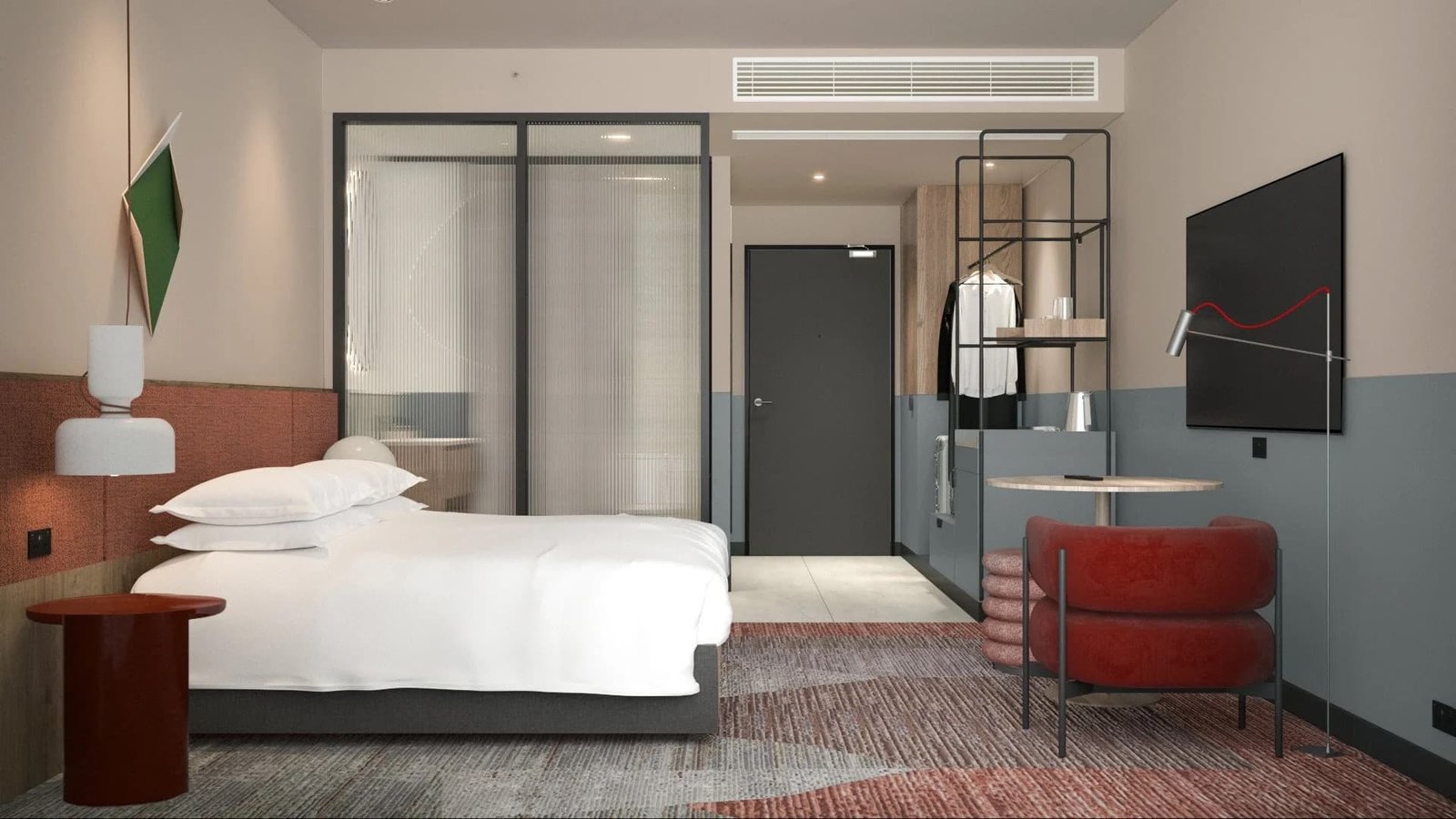
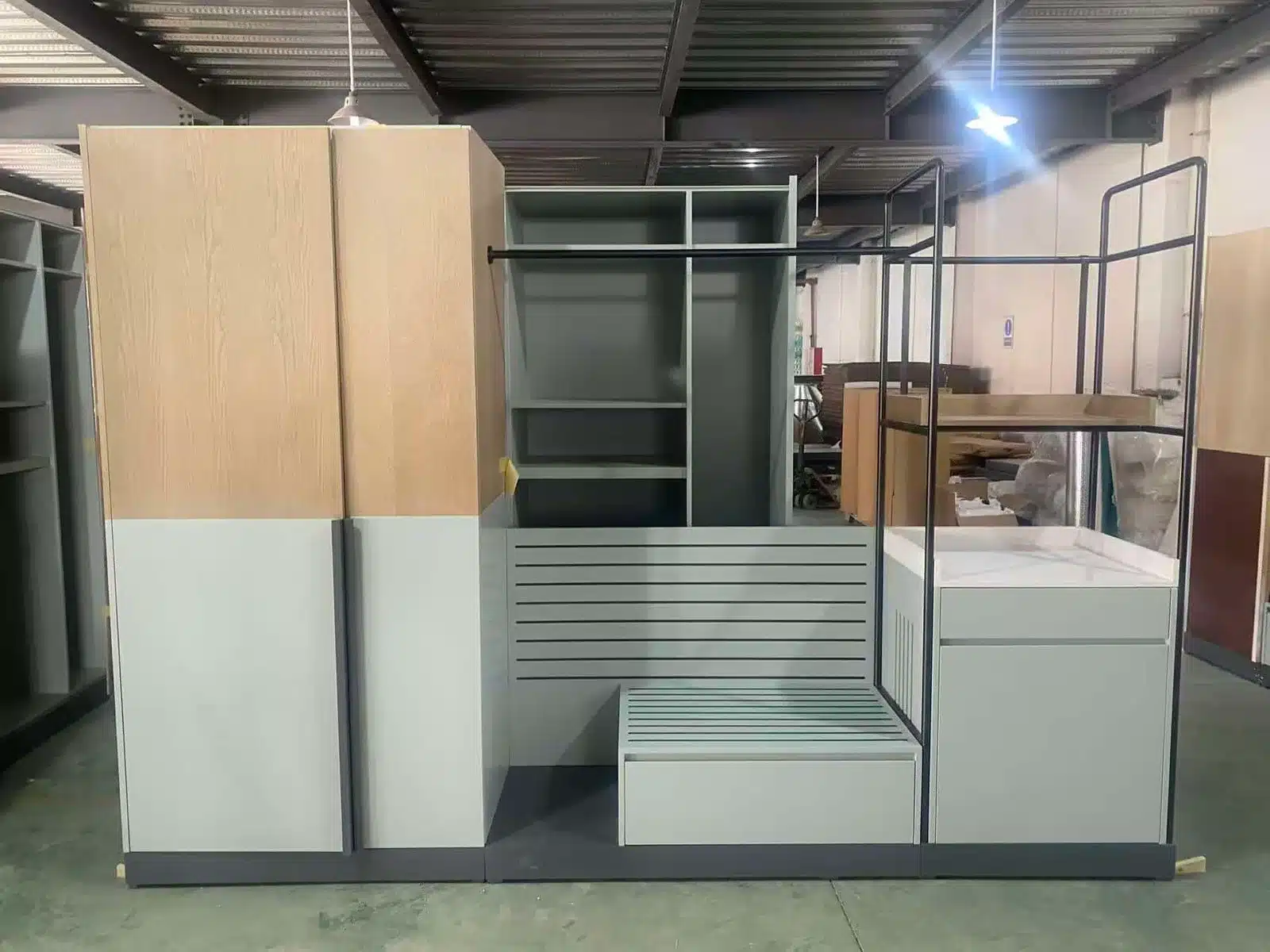
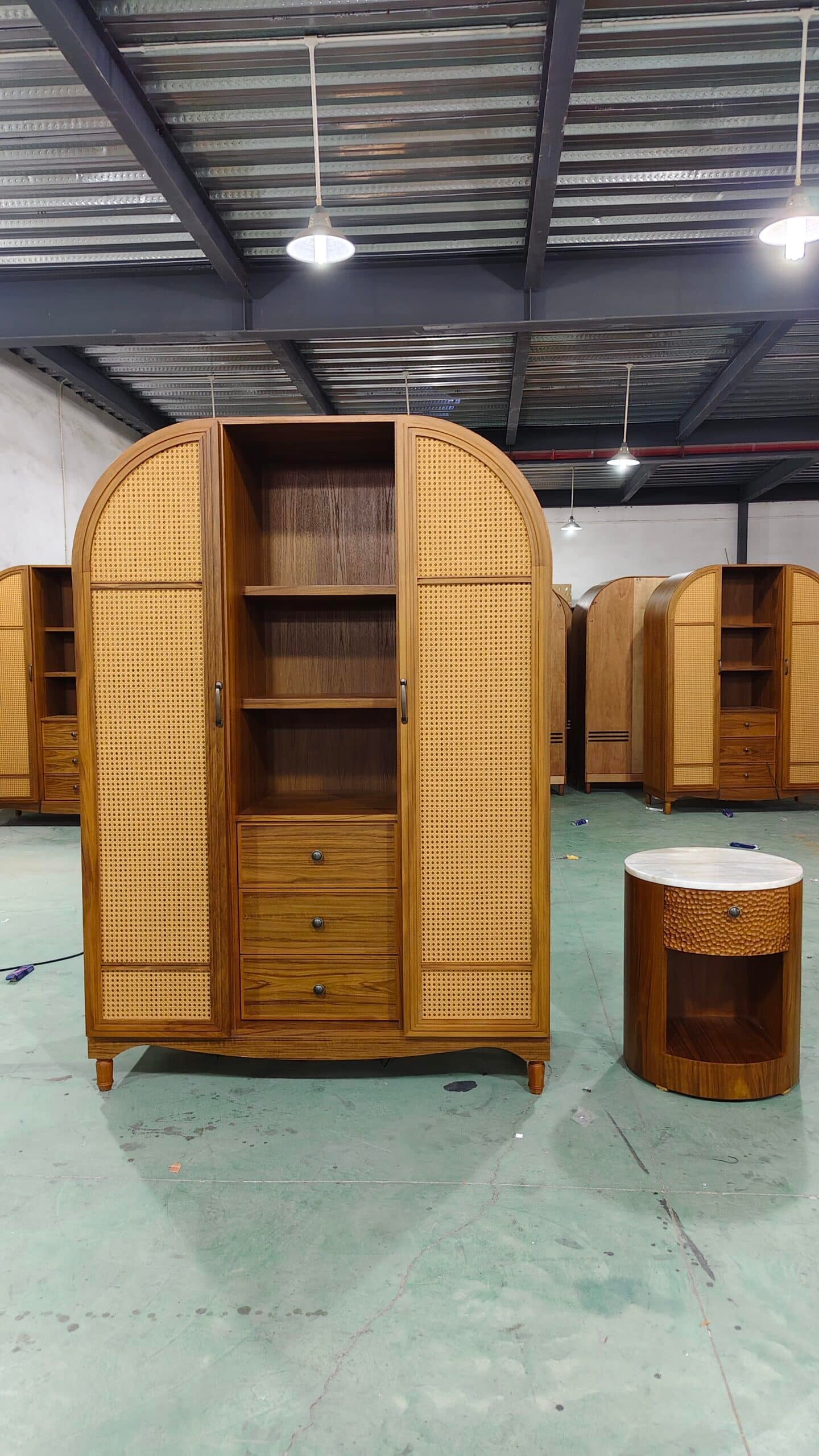
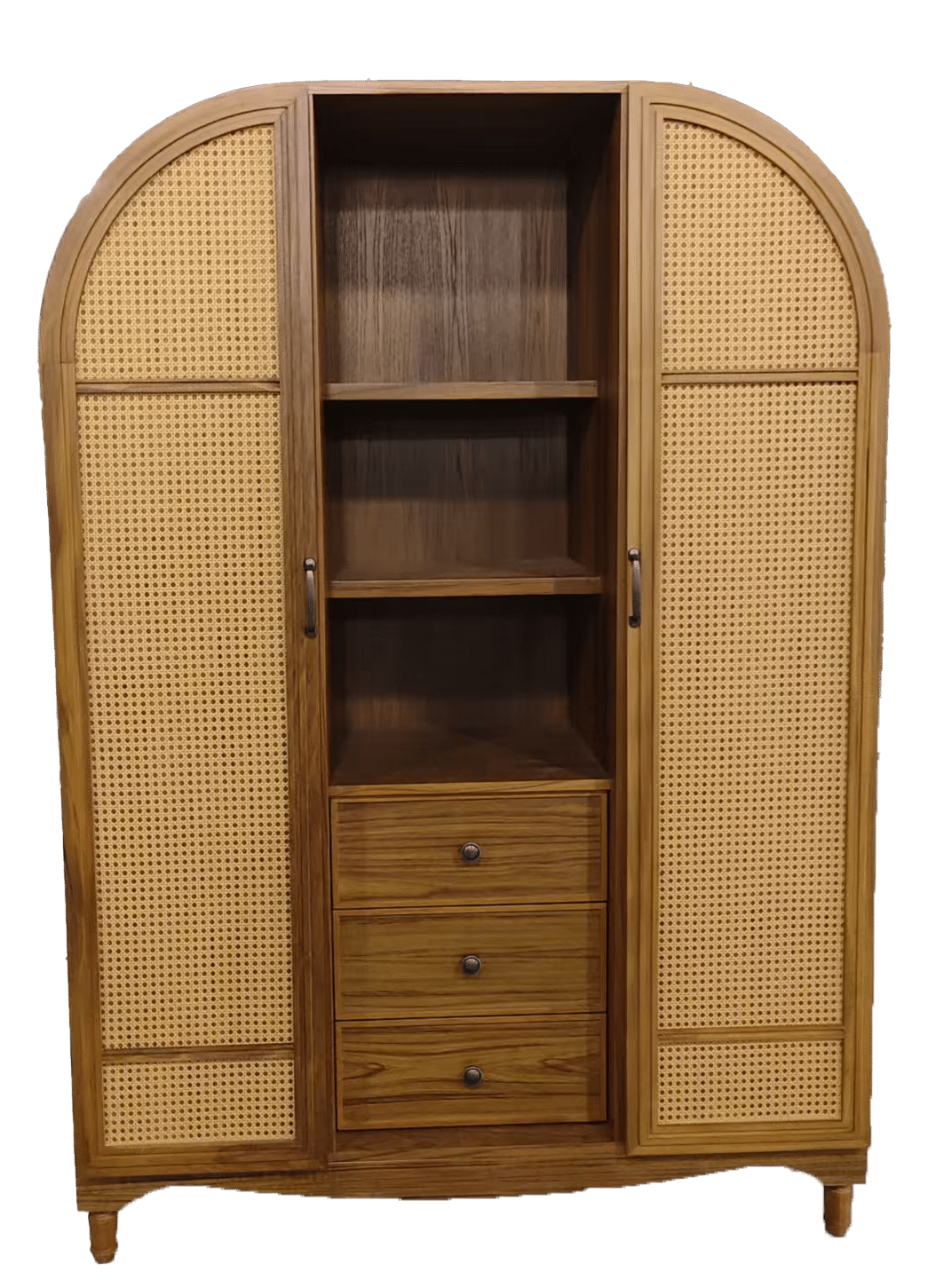
Hotel joinery (Guide) covers all the built-in elements that are fixed into the room—things like wardrobes, vanities, minibars, wall panels, headboards, and TV units. These aren’t just decorations. They’re the structure that shapes how a guest moves, stores belongings, and experiences the room. When the joinery is well-designed, everything feels intuitive. When it’s not, the whole room feels awkward.
Joinery has a huge impact on guest flow and room ergonomics. A wardrobe that opens in the wrong direction forces guests to squeeze past the bed. A minibar without ventilation turns into a little oven. Even the height of a vanity or the placement of a headboard shelf can change whether a room feels comfortable or cramped. You notice these things only when they’re wrong—your guests definitely do.
It also matters for housekeeping and long-term maintenance. Good joinery design means fewer sharp corners to clean around, fewer materials that chip easily, and fewer drawers that get stuck after six months. Housekeepers save time when everything is accessible and durable. Engineering teams save money when the materials and hardware hold up for years instead of needing constant repair.
A quick way to think about it is this:
Joinery = fixed, fitted, built-in elements (wardrobes, TV panels, vanities)
Millwork = architectural woodwork like trims or decorative panels
Understanding what belongs in each category helps teams plan budgets, assign responsibilities, and avoid costly gaps during handover.
Real example: A hotel installed vanities without checking water splash zones. Basins were too shallow and the stone top didn’t have proper edging. Within three months, water seeped into the plywood substrate and caused swelling and mold across 12 rooms. Repairs required shutting down floors, replacing tops, and re-sealing plumbing—problems that a small joinery adjustment could have prevented.
In hotels, joinery might look simple on drawings, but it’s often the difference between a room that works and a room that causes issues for years.
Key Material Choices That Determine Joinery Durability
Choosing the right materials is one of the biggest factors in how long your hotel joinery will last. On paper, melamine, laminate, veneer, plywood, MDF, and solid wood look similar. But in a real hotel—where guests slam doors, housekeeping wipes surfaces daily, and humidity shifts—the differences appear fast.
Material overview:
Melamine: cost-effective, durable for budget hotels; chips if edges aren’t sealed.
Laminate: scratch-resistant, ideal for mid-scale hotels.
Veneer: premium appearance; requires careful sealing and matching.
Solid wood: beautiful, but unstable and rarely used for full joinery.
Plywood (E0/E1): the backbone—moisture-resistant and stable.
MDF: the problem child in humid environments; swells quickly.
Bathrooms and coastal hotels require special care. High humidity destroys the wrong materials. Moisture-resistant plywood or marine board prevents swelling and failures. MDF is almost guaranteed to warp or expand.
Hardware is just as important. Soft-close hinges reduce noise and protect doors. Concealed hinges and metal trims create clean visuals and add durability. High-quality runners keep drawers smooth even after thousands of uses. Cheap hardware usually fails within months, costing more in repairs than the upgrade would have.
Fire-rated materials are also critical. Using non-compliant boards or finishes leads to delays, redesigns, and costly replacements.
Common pitfalls include:
Swelling MDF
Veneer mismatch between batches
Hinges sagging after six months
Getting materials right means fewer headaches and a room that still looks premium five years later.
Design & Function — How to Plan Joinery That Works for Guests and Housekeepers
Good hotel joinery should feel effortless. Planning the right clearances is essential. Wardrobes need depth for hangers. Minibars must open freely. TV panels need space for cable routing and ventilation.
Lighting influences the guest experience as well. LED strips add visibility and a premium feel, but drivers need airflow to prevent overheating. Motion sensors save energy but must be positioned to avoid blinding guests at night.
Ventilation is critical:
Minibars need airflow or they overheat
Wardrobe lighting needs heat escape routes
Electric safes require ventilation to protect electronics
Accessibility also matters. Universal design ensures shelf heights, handles, and layouts are usable for elderly guests and wheelchair users.
When hotel joinery design and function work together, rooms feel calm, intuitive, and easy for both guests and housekeeping.
The Hotel Joinery Production Process (From Sample to Installation)
The hotel joinery process follows a predictable sequence:
Drawings
Sample boards
Mock-up room
Mass production
QC inspections
Installation
Each stage prevents expensive future problems.
The mock-up is where 80% of issues are caught. It’s where you test:
Hinge strength
Lighting brightness
Door alignment
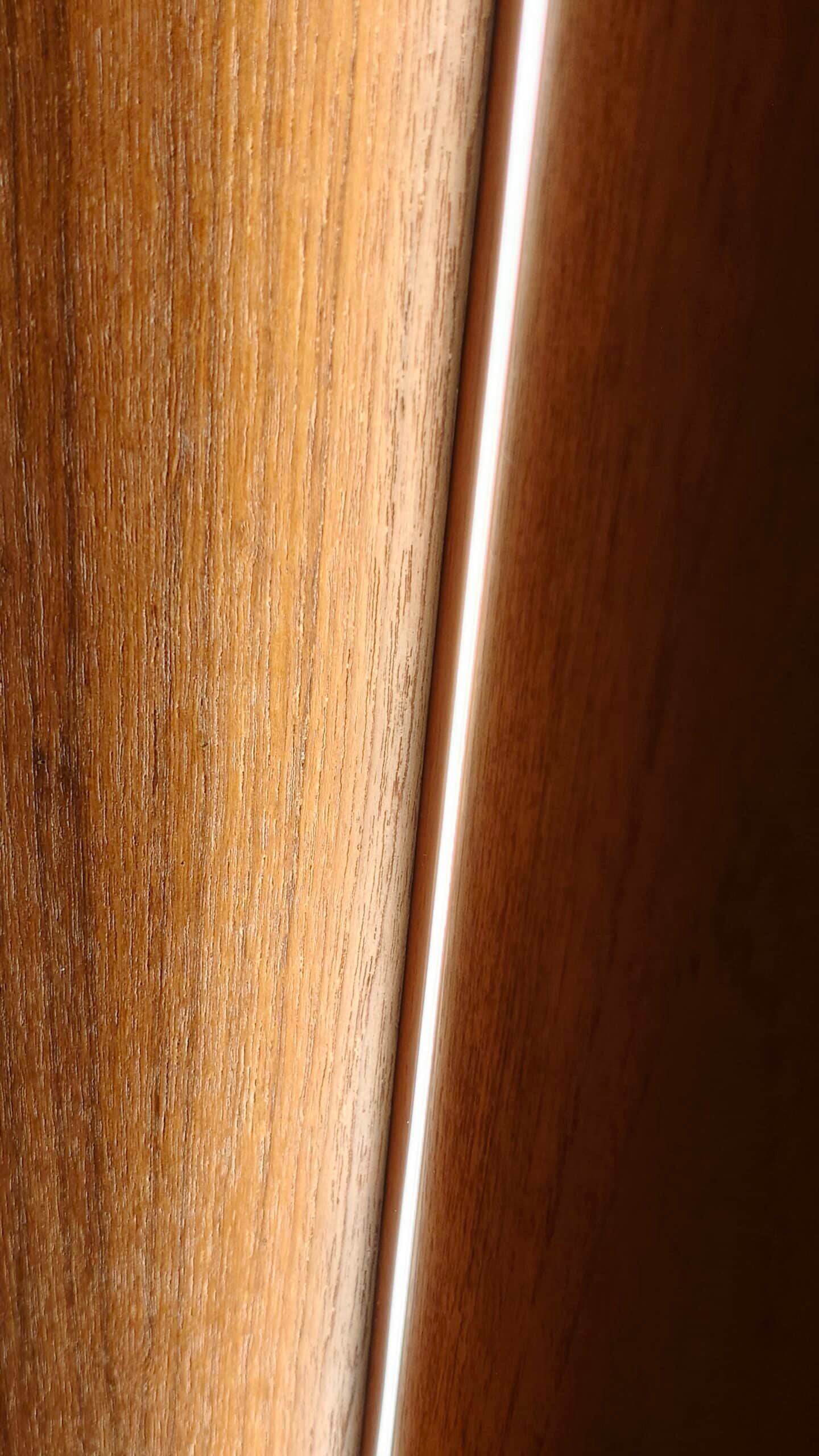
Veneer direction
Shadow lines
Ventilation
A “redline list” records every correction. This ensures mass production follows the approved version—not outdated drawings.
QC checks at 30%, 60%, and 90% prevent surprises. At 30% you check structure; at 60% hardware and alignment; at 90% finish quality and color.
Coordination with MEP, designers, and contractors is essential because joinery interacts with lighting, wiring, sockets, and ventilation. When teams stay aligned, installation becomes smooth instead of stressful.
How to Control Cost Without Sacrificing Quality
Controlling cost in hotel joinery is about strategy, not cheap materials.
Value engineering isn’t downgrading—it’s optimizing:
Use melamine internally but veneer externally
Swap decorative trims for ABS where traffic is low
Standardize modules to reduce tooling changes
Plywood thickness can also be optimized. Not every panel needs 18mm. Some internal areas can be thinner without sacrificing strength.
Certain upgrades are always worth it:
High-quality hinges
Moisture-proof layers near bathrooms
Metal trims in high-contact zones
Hidden cost traps include:
Delivery damage
Poor installation
Incorrect dimensions
Smart planning saves more than cutting material quality ever could.
Choosing the Right Hotel Joinery Manufacturer
Choosing the right manufacturer is critical. You’re selecting a partner responsible for durability, alignment, finish quality, and consistency across hundreds of rooms.
Look for:
ISO certifications (ISO9001, ISO14001)
Experience with major hotel brands
In-house manufacturing (not subcontracted)
Fire-rated and moisture-resistant material knowledge
Joinery for hotels is more complex than residential cabinetry. It requires tighter tolerances, stronger materials, and hotel-specific expertise.
Check samples closely:
Smooth edging
Even alignment
Consistent lacquer finish
No gaps or shadows
Smart sourcing questions include:
“How do you ensure veneer consistency?”
“What are your QC checkpoints?”
“Can I see your fire-rated certificates?”
“What’s your tolerance for leveling?”
A strong manufacturer answers clearly, shows proof, and demonstrates systems—not guesses.
Conclusion
Great hotel joinery balances design, durability, and function. When you choose the right materials, plan carefully, and work with an experienced manufacturer, you create rooms that last longer, look cleaner, and operate more efficiently.
Use this guide as your checklist to avoid common mistakes and ensure every piece of joinery performs the way it should—protecting your budget, improving guest experience, and supporting smooth hotel operations.
FAQs
1. What is hotel joinery in a guest room?
Hotel joinery refers to all the built-in, fixed elements inside a hotel room, such as wardrobes, vanities, minibars, headboards, wall panels, and TV units. These components are permanently integrated into the room’s structure and designed for durability, space efficiency, and long-term hotel operation.
2. How is hotel joinery different from loose furniture?
Hotel joinery is fixed and built-in, while loose furniture is movable. Joinery includes wardrobes, vanities, and TV panels; loose furniture includes chairs, bedside tables, and ottomans. Joinery shapes room layout and durability, while loose items allow flexibility and easier replacement.
3. What parts of a hotel room should always be built-in?
The components typically built using hotel joinery include:
Wardrobes
Vanities
Minibar units
Headboards
TV walls or media panels
Storage walls These elements benefit from better stability, ventilation, wiring integration, and guest flow design.
4. When is loose furniture better than joinery?
Loose furniture works better when hotels need flexibility, quick replacement, or more budget-friendly options. Chairs, coffee tables, movable desks, and ottomans are ideal as loose furniture because they’re easy to rearrange, maintain, and update during soft refurbishments.
5. Does hotel joinery improve space efficiency?
Yes. Hotel joinery maximizes every millimeter of space by fitting perfectly to walls, corners, and the room layout. Built-in wardrobes, luggage benches, and desk units prevent wasted gaps, improve guest flow, and create more usable storage compared to standalone items.
6. What materials are best for durable hotel joinery?
The most reliable materials for hotel joinery include:
E0/E1 plywood (moisture-resistant, long-lasting)
High-pressure laminate
Quality veneer
ABS or metal edging Avoid MDF in humid areas because it swells, warps, and fails quickly under hotel conditions.
7. Why is lighting important in hotel joinery design?
Lighting enhances usability and creates a premium guest experience. LED strips, motion sensors, and integrated lighting improve visibility in wardrobes and vanities. However, drivers must be ventilated properly to avoid overheating and failure.
8. How does hotel joinery affect maintenance costs?
Well-designed hotel joinery reduces long-term maintenance by preventing swelling, chipping, loose hinges, and overheating of minibars or lighting. Poor joinery design often leads to costly repairs, especially when ventilation or hardware quality is neglected.
9. What are common mistakes in hotel joinery design?
Frequent mistakes include:
Using MDF in humid zones
Incorrect wardrobe depth
Poor minibar ventilation
Weak hinges or cheap runners
Mismatched veneer
Lack of wiring routes Most issues arise from skipping mock-up testing or choosing the wrong materials.
10. How do I choose the right hotel joinery manufacturer?
Look for manufacturers with:
ISO certifications (ISO9001/ISO14001)
Experience with major hotel brands
In-house production capability
Proven QC systems
Fire-rated and moisture-resistant materials A strong manufacturer ensures consistency across 50–500 rooms and prevents installation problems.
11. How does hotel joinery influence the guest experience?
Good joinery improves ease of use, reduces noise, supports comfortable storage, hides wiring, and ensures lighting feels intentional. Poor joinery—slamming doors, tight clearances, awkward layouts—creates friction that guests notice instantly.
12. Is built-in hotel joinery more expensive than loose furniture?
Initial costs are typically higher for joinery because it requires precision and fixed installation. However, hotel joinery often has a longer lifespan, lower maintenance costs, and better durability—making it more cost-effective over the room’s lifecycle.
13. Should hotel joinery be tested in a mock-up room?
Absolutely. A mock-up room reveals 80% of functional issues—like hinge alignment, lighting quality, ventilation gaps, and ergonomic problems—before mass production. Testing joinery early prevents expensive corrections later.
14. What joinery elements increase hotel room durability the most?
Durability improves significantly when you use:
Thick plywood structures
Soft-close hardware
Metal trims on edges
Moisture-proof panels
Proper ventilation zones These features prevent damage from luggage, humidity, and heavy daily usage.
15. Can joinery and loose furniture be mixed in the same room?
Yes. Most hotel rooms use a hybrid approach: built-in joinery for essential structures and loose furniture for flexibility. This combination balances durability, cost, and design style.