Most hotel projects don’t fail because of poor design. They fail because of the wrong suppliers.
Late deliveries, inconsistent finishes, weak construction, and missing after-sales support rarely show up in proposals or brochures. They appear later—often when the hotel is close to opening, or worse, after guests have already checked in.
When evaluating hotel furnishing suppliers, the real challenge isn’t finding someone who can produce furniture. It’s identifying a partner who understands hotel operations, project schedules, material performance, and long-term risk—before contracts are signed.
What Hotel Furnishing Suppliers Actually Provide (Beyond Furniture)
When people hear the term hotel furnishing supplier, they often imagine a company selling beds, chairs, and tables. In real hotel projects, that’s only a small part of the scope.
Hotel furnishing suppliers can range from basic furniture vendors to full FF&E partners responsible for coordination, production, and delivery across multiple categories. Understanding this difference early prevents serious problems later.
The first distinction is between loose furniture, fixed furniture, and full FF&E.
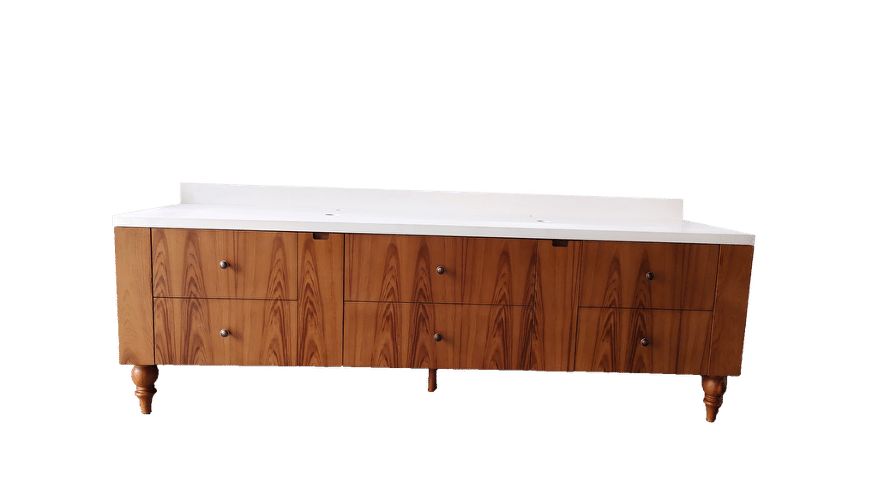
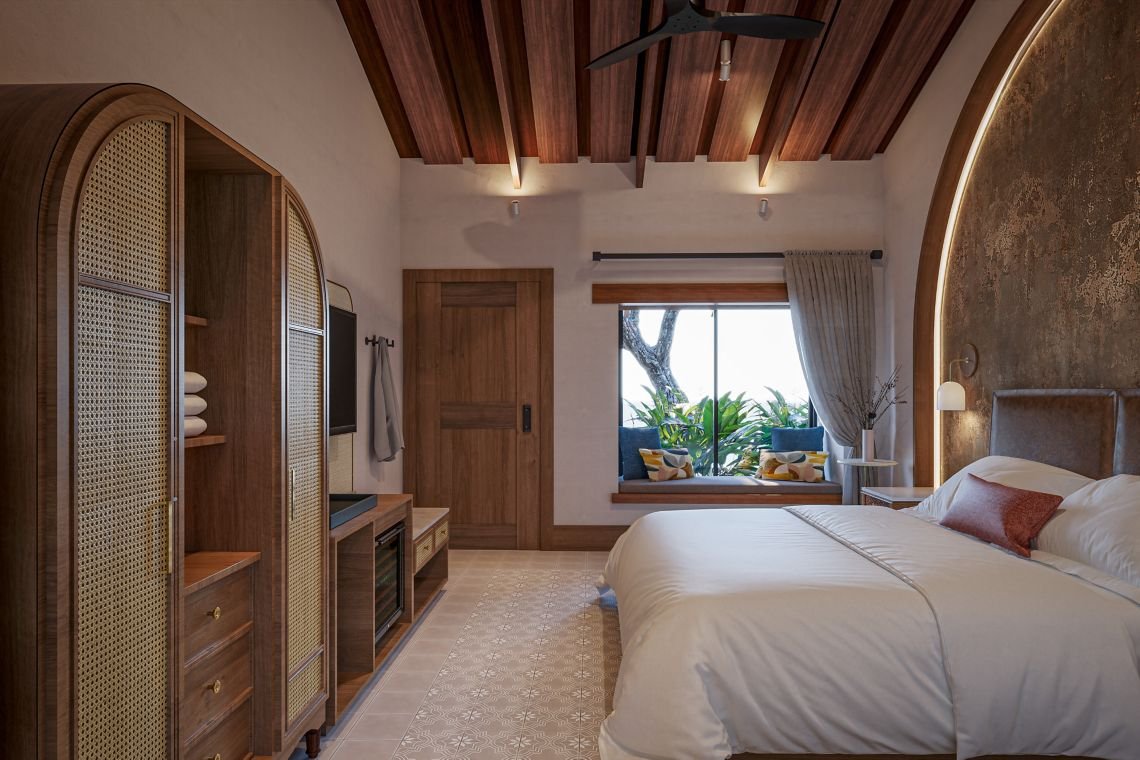
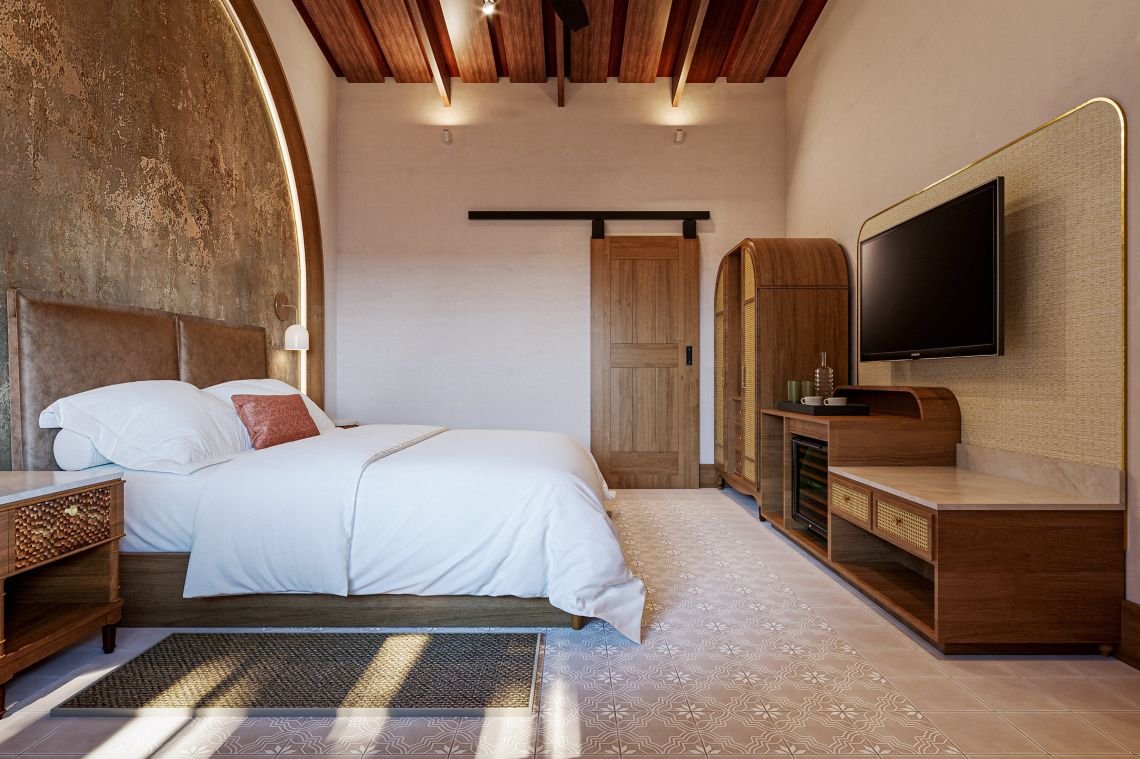
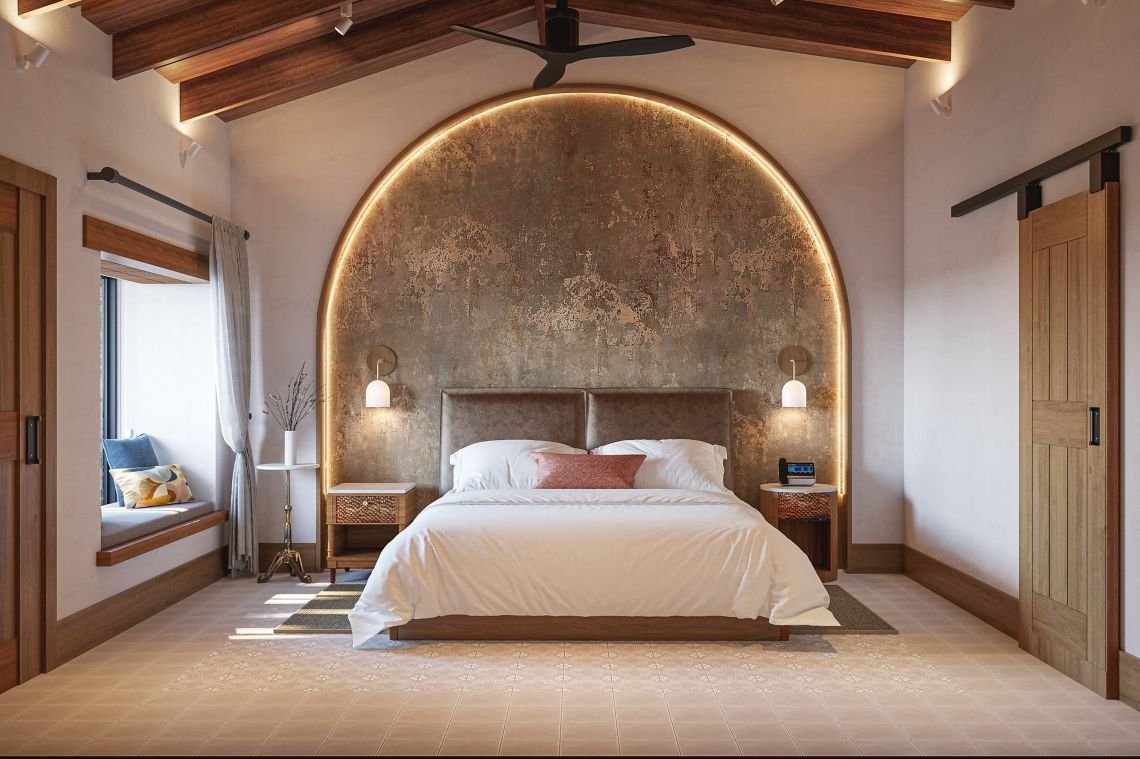
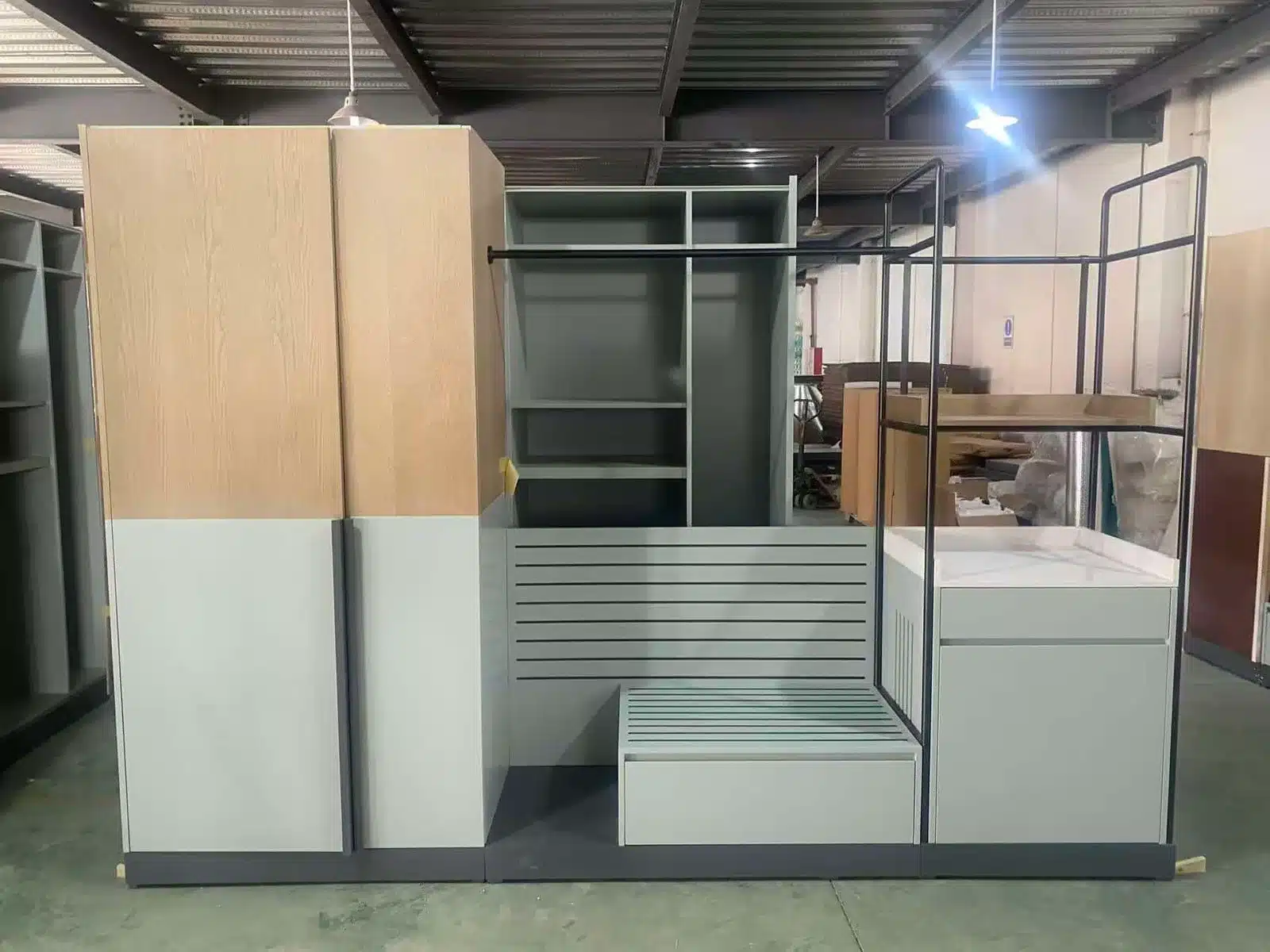
Loose furniture includes movable items such as beds, desks, sofas, and chairs. Fixed furniture—often referred to as joinery or casegoods—includes built-in elements like wardrobes, vanities, minibars, TV panels, headboards, and wall units. These items must align precisely with room dimensions, MEP services, and brand standards.
Full FF&E goes further, covering furniture, fixtures, lighting, accessories, and the coordination between them.
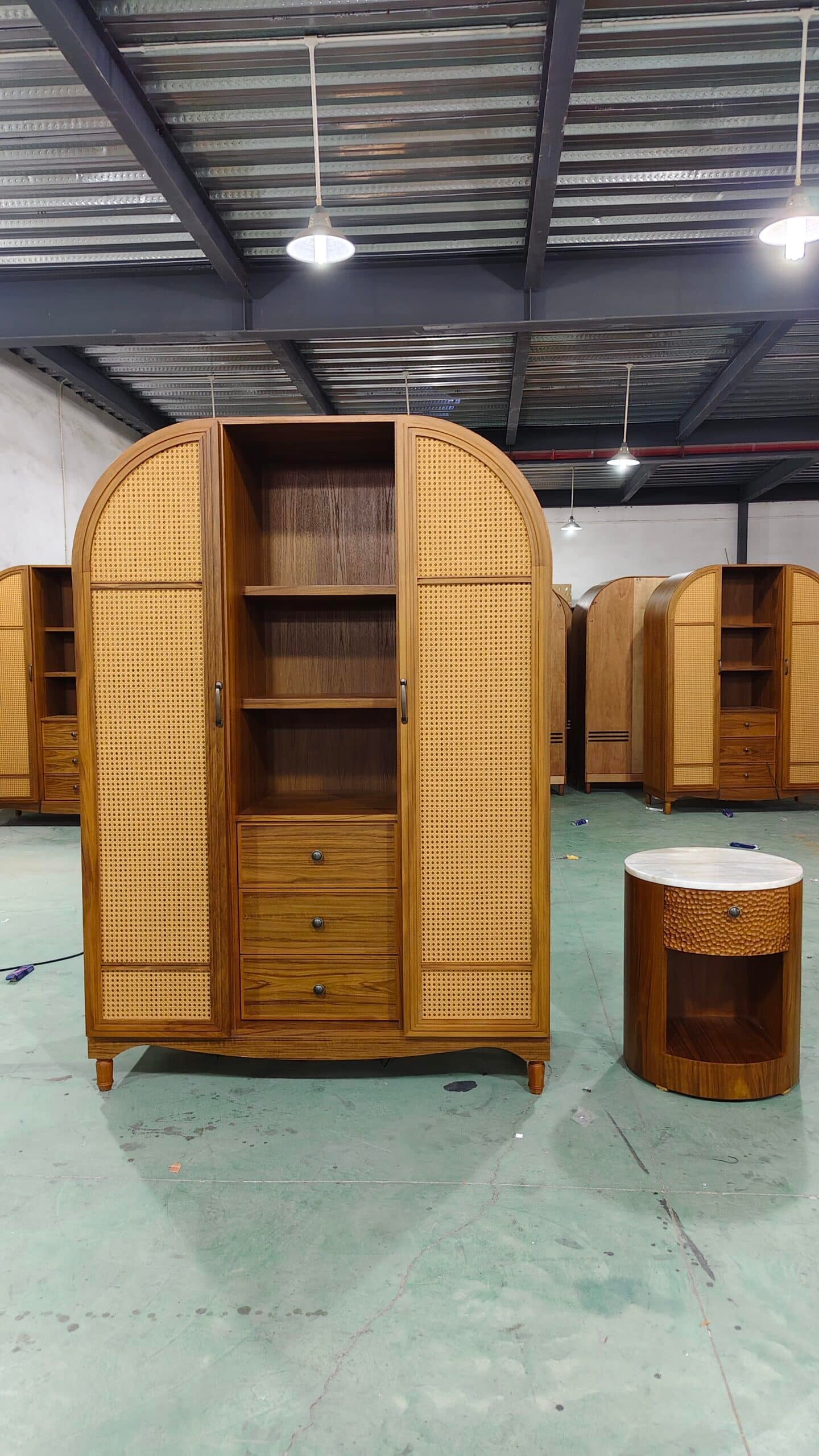
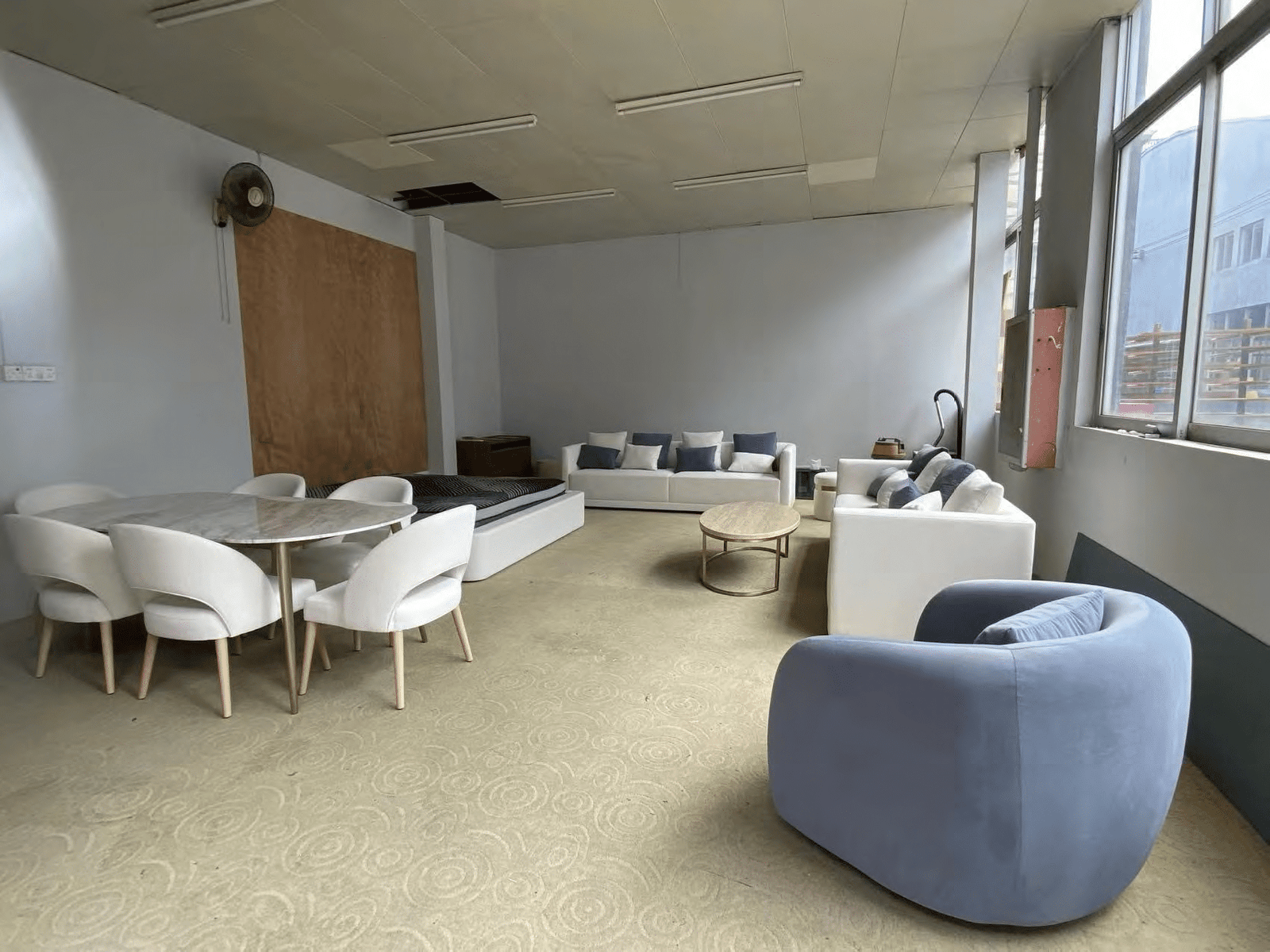
Most capable hotel furnishing suppliers do more than supply loose items. They manufacture custom joinery and built-in solutions designed specifically for the project, rather than relying on standard catalog products.
Another critical part of their role happens before production begins. Suppliers prepare shop drawings, develop mock-ups, and coordinate with interior designers, consultants, and project teams. This stage is where design issues should be resolved—clearances, power locations, finish alignment—rather than discovered during installation.
Logistics planning is equally important. Packaging quality, container loading, shipping schedules, and delivery sequencing all affect site progress. Poor planning can damage furniture, delay installation, or block other trades. Good planning prevents these issues.
This is why the word supplier can mean very different things. One supplier may only sell furniture ex-warehouse. Another may take responsibility from drawings through mock-up approval, production, shipping, and delivery. Knowing which type you’re dealing with matters far more than the quoted price.
Types of Hotel Furnishing Suppliers (And Who They’re Right For)
Not all hotel furnishing suppliers serve the same function, even if their marketing looks similar. Choosing the wrong type for a project can increase risk, cost, and coordination effort.
Factory-Direct Manufacturers vs. Trading Companies
Factory-direct manufacturers produce the furniture themselves. They control materials, drawings, production schedules, and quality. Communication is direct, and accountability is clear.
Trading companies do not manufacture. They source products from multiple factories and act as intermediaries. This can simplify communication, but it also adds distance between the client and actual production.
In practice:
Factory-direct manufacturers are better suited for projects where quality, customization, and accountability matter
Trading companies may work for smaller scopes where flexibility and speed are more important than technical control
When issues arise, factories can act immediately. Traders usually need to relay requests back to production partners, which slows resolution.
Local Suppliers vs. Overseas Suppliers
Local hotel furnishing suppliers are easier to communicate with and typically offer shorter delivery times. They are often suitable for smaller projects, limited quantities, or tight schedules, but usually at a higher cost and with less customization.
Overseas suppliers—commonly based in Asia or Eastern Europe—offer greater cost efficiency and design flexibility. The trade-off is longer lead times and a greater need for documentation, approvals, and quality control.
A practical guideline:
Local suppliers suit short timelines and simple designs
Overseas suppliers suit large room counts, custom solutions, and long-term cost control
Distance itself is not the main risk. Poor planning and unclear responsibility are.
OEM / Custom Manufacturers vs. Catalog Suppliers
Catalog-based suppliers offer pre-designed products with limited size and finish options. They are easy to specify, but only work well when room layouts match the product exactly.
OEM or custom manufacturers produce furniture based on project drawings, samples, or brand standards. This allows control over dimensions, materials, power integration, and durability.
Many hotel projects encounter problems when catalog items are selected too early:
bedside tables block drawers or bed skirts
wardrobes don’t align with wall panels
power outlets end up in unusable positions
Custom solutions require more upfront coordination but often prevent expensive site corrections later.
When Multi-Category Suppliers Outperform Single-Product Vendors
Single-product vendors specialize in one category, such as seating or tables. While technically strong, coordination becomes difficult when multiple suppliers must align within one room.
Multi-category hotel furnishing suppliers manage loose furniture, fixed furniture, and joinery under one coordination structure. This results in consistent dimensions, aligned finishes, and fewer installation conflicts.
For full hotels or large refurbishments, fewer suppliers usually mean fewer coordination errors.
Real-World Scenarios Where Each Type Makes Sense
There is no universally “best” supplier—only the right one for a specific project.
Boutique hotel with a tight opening schedule: local catalog supplier
Large branded hotel with strict standards: factory-direct OEM manufacturer
Design-driven project with unique furniture forms: custom manufacturer
The key question is not who is cheapest, but who can deliver the project requirements reliably.
How to Evaluate Hotel Furnishing Suppliers Before You Commit
Selecting hotel furnishing suppliers should focus on capability, not presentation.
Factory Capability and Production Processes
A serious supplier should operate dedicated workshops—wood, metal, upholstery, and finishing—with clear in-house processes. Excessive outsourcing increases risk.
Understanding how production flows from materials to finished products is essential. Clarity indicates control.
Material Standards and Construction Choices
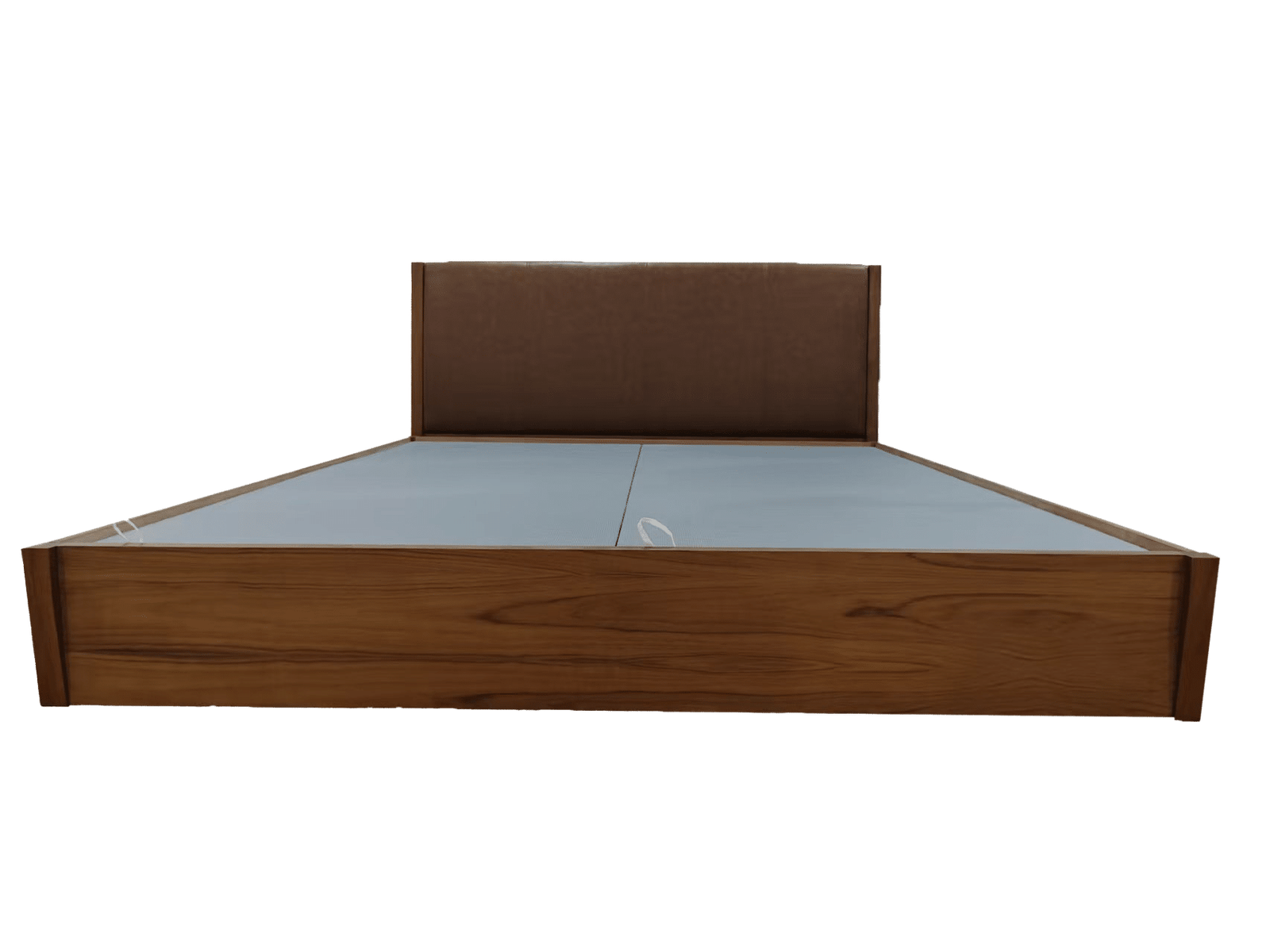
Suppliers should clearly explain where plywood is used and where MDF is used. MDF may be acceptable in limited applications, but not in load-bearing or moisture-prone areas such as wardrobes, vanities, or bed bases.
Hardware quality, edge protection, and finishing systems also matter. In hotel environments, these components face constant use.
If a supplier cannot justify material choices, cost—not performance—likely drove the decision.
Mock-Up Room Process and Approvals
Mock-ups are not optional on serious projects. They define the production standard.
Suppliers should clearly explain:
what is included in the mock-up
how revisions are handled
how approvals are recorded
The goal is not a perfect showroom piece, but a repeatable standard suitable for mass production.
Quality Control During Production
Effective quality control occurs throughout production, not just before shipping.
Key checkpoints include raw material inspection, structural assembly, finishing consistency, and pre-packing checks. Issues identified early are far less costly to resolve.
Relevant Project References
Experience only matters if it matches the project type.
Suppliers should demonstrate experience with similar hotel categories, room counts, and operational expectations. Lessons learned and problem-solving ability are more valuable than polished photos.
Common Mistakes Developers Make When Choosing Suppliers
One of the most common mistakes is selecting hotel furnishing suppliers based solely on the lowest price. Short-term savings often lead to long-term costs through repairs, replacements, and guest complaints.
Another frequent oversight is ignoring climate suitability. Humidity, heat, salt air, and heavy use affect material performance. Suppliers unfamiliar with local conditions often specify unsuitable materials.
Lead times and shipping risks are also underestimated. Port congestion, holidays, and customs delays can disrupt opening schedules. Reliable suppliers plan buffers rather than making unrealistic promises.
Assuming that all “hotel experience” is equal is another mistake. A supplier experienced in small renovations may struggle with large-scale projects or phased deliveries.
Finally, unclear warranty and after-sales responsibilities often lead to disputes. Clear definitions upfront prevent long-term frustration.
Cost, Lead Time, and Risk — What Really Matters in Supplier Selection
Hotel furnishing costs reflect more than furniture prices. They include material quality, labor skill, production efficiency, and project scale.
The lowest quote often hides compromises that surface later.
A realistic hotel furnishing timeline includes shop drawings, mock-ups, mass production, packing, and shipping. Delays at any stage affect the entire schedule.
Logistics planning is equally critical. Container booking, delivery sequencing, and site coordination all influence installation efficiency.
Well-structured contracts reduce risk through clear specifications, defined responsibilities, and agreed procedures when issues arise.
When a Long-Term Hotel Furnishing Partner Makes More Sense
For single projects, transactional suppliers may be sufficient. For developers managing multiple properties, repeated onboarding and correction become costly.
Long-term hotel furnishing suppliers understand established standards, optimize designs intelligently, and retain drawings and specifications for future projects. This improves consistency, reduces errors, and accelerates timelines.
Standardization does not mean uniform design—it means consistent construction quality and performance.
The greatest benefit is often invisible: fewer misunderstandings, fewer site conflicts, and faster problem resolution.
Conclusion
Choosing hotel furnishing suppliers is not about purchasing furniture. It is about managing risk.
The right supplier understands hotel operations, schedules, materials, logistics, and long-term use. When supplier selection is treated as a strategic decision rather than a procurement formality, projects run smoother, cost less over time, and open with fewer surprises.
Good hotel furnishing suppliers deliver products. The right partners protect the project.
FAQs
Q1: What do hotel furnishing suppliers provide?
Hotel furnishing suppliers may provide loose furniture, fixed furniture (joinery/casegoods), shop drawings, mock-ups, quality control, packaging, and shipping coordination depending on their scope.
Q2: What’s the difference between hotel furniture and hotel FF&E?
Hotel furniture usually refers to loose items like beds and chairs. FF&E includes furniture plus fixtures, lighting, accessories, and coordination across these items.
Q3: How do I choose reliable hotel furnishing suppliers for a new hotel project?
Check factory capability, material standards, mock-up process, quality control checkpoints, and project references that match your hotel type and room count.
Q4: Is it better to work with factory-direct hotel furnishing suppliers or trading companies?
Factory-direct suppliers offer clearer accountability and stronger control over production and quality. Trading companies can be convenient for mixed sourcing but add an extra communication layer.
Q5: Are overseas hotel furnishing suppliers risky?
Overseas suppliers aren’t inherently risky. Risk usually comes from unclear specifications, weak approvals, and poor quality control or logistics planning.
Q6:What materials should I avoid in hotel furniture and joinery?
Avoid using MDF in load-bearing or moisture-prone areas such as wardrobes, vanities, and bed bases. Use suitable plywood and proper edge sealing where durability matters.
Q7: Why is a mock-up room important when working with hotel furnishing suppliers?
A mock-up sets the production standard, confirms dimensions and finishes, and catches design or installation issues before mass production begins.
Q8: What quality control steps should hotel furnishing suppliers have?
Strong suppliers perform QC during raw material inspection, assembly, finishing/color consistency, and pre-packing—rather than only checking before shipping.
Q9: How long does a hotel furnishing package usually take?
Typical timelines include shop drawings (2–4 weeks), mock-up (3–6 weeks), production (6–10 weeks), and shipping (4–8 weeks), depending on scope and route.
Q10: What should be included in a hotel furnishing supplier warranty?
The warranty should clearly define what’s covered (structure, hardware, finishes), response time, repair responsibility, and how on-site claims are handled after handover.