Brand standard compliance has become one of the most critical—and often misunderstood—components of modern hotel FF&E projects. Whether a property is operating under Hilton, Marriott, Accor, IHG, Hyatt, or Wyndham, each brand has specific requirements for furniture durability, finishes, lighting ambiance, upholstery performance, joinery construction, and guestroom ergonomics.
When these standards are not met during the brand audit phase, the consequences are immediate:
Failed inspections
Forced redesigns and rework
Cost increases and shipment delays
Postponed opening dates and lost revenue
Potential escalation with the brand’s technical review team
For developers, owners, and project managers, brand compliance is not just aesthetic — it directly affects ROI, schedule, and operational handover.
However, brand compliance is not guesswork. It follows a clear, repeatable workflow that begins long before the first piece of furniture is produced. When executed correctly, it makes brand audit approval predictable instead of stressful.
Let’s break down the workflow step-by-step.
1. Study the Brand Standards Before Design Begins
Understanding the brand standards at a documentation level is the foundation of compliance. Every major hotel group maintains:
Our engineering and design team reviews all brand manuals before shop drawings begin. This prevents misalignment later and ensures that design intent = brand-approved intent.
Why this step matters: Starting with the right standards avoids costly “fixes” downstream.
Transition: But brand compliance is not demonstrated in drawings—it is proven in real space.
2. Produce a Full-Scale Mock-Up Room
The Question: Can you reduce housekeeping and maintenance budgets without sacrificing brand standards?
Common Industry Solution: Developers often choose “scratch-proof” laminates and off-the-shelf light fixtures. Within a year, coatings dull and lights yellow, demanding constant polishing and bulb changes.
Betherev’s ROI-Driven Solution: We use high-pressure laminates (HPL) with anti-fingerprint nano-coatings and 24 V LED systems with Dupont connectors for quick swap-outs. This combination reduces maintenance labor by 40 % and replacement parts cost by 25 % annually. In Waldorf Astoria Costa Rica, integrated casegoods + back-lit mirrors cut total OpEx by USD 38 000 per year across 250 rooms.
How to Align Design Vision and Production Practicality
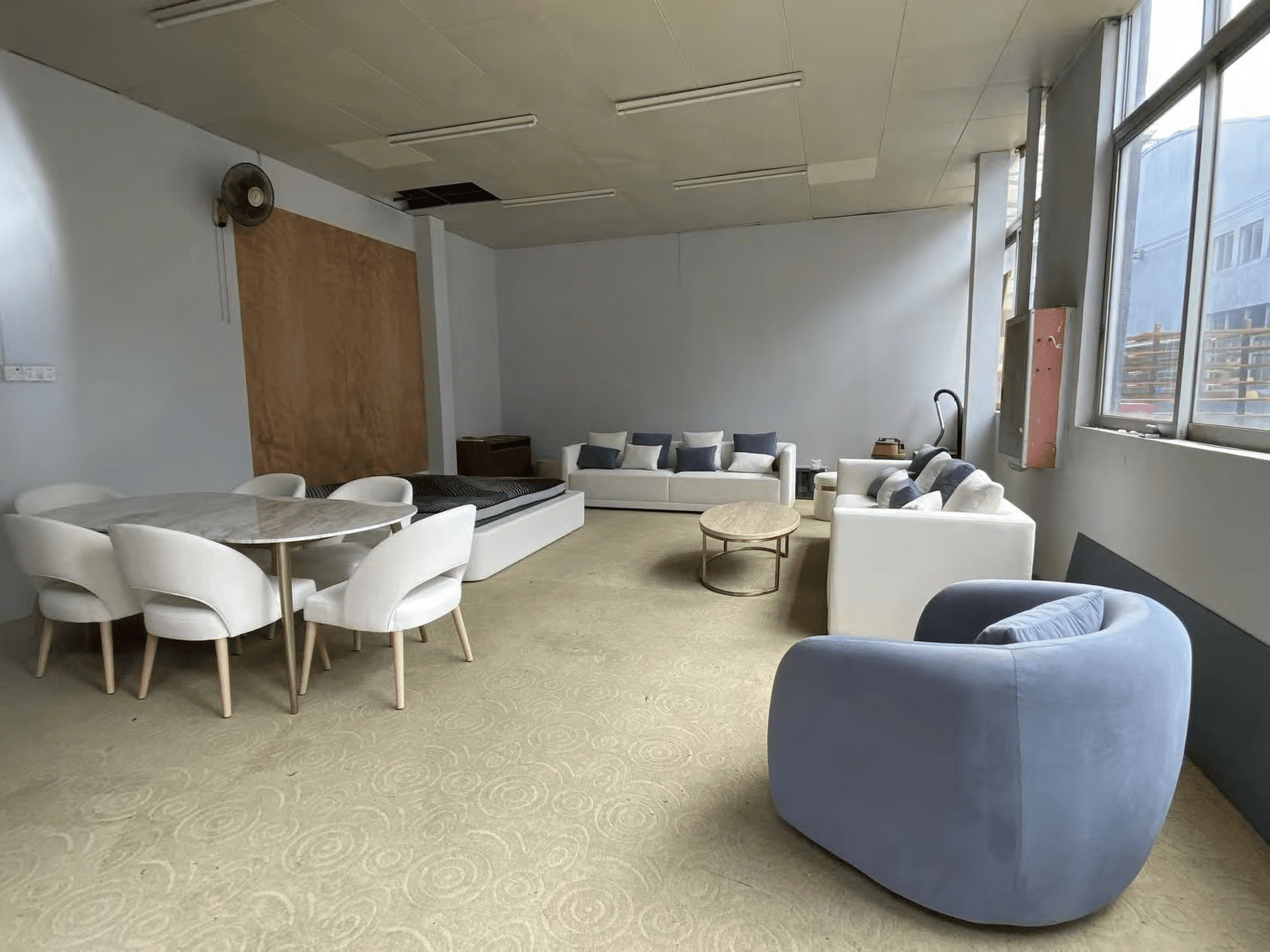
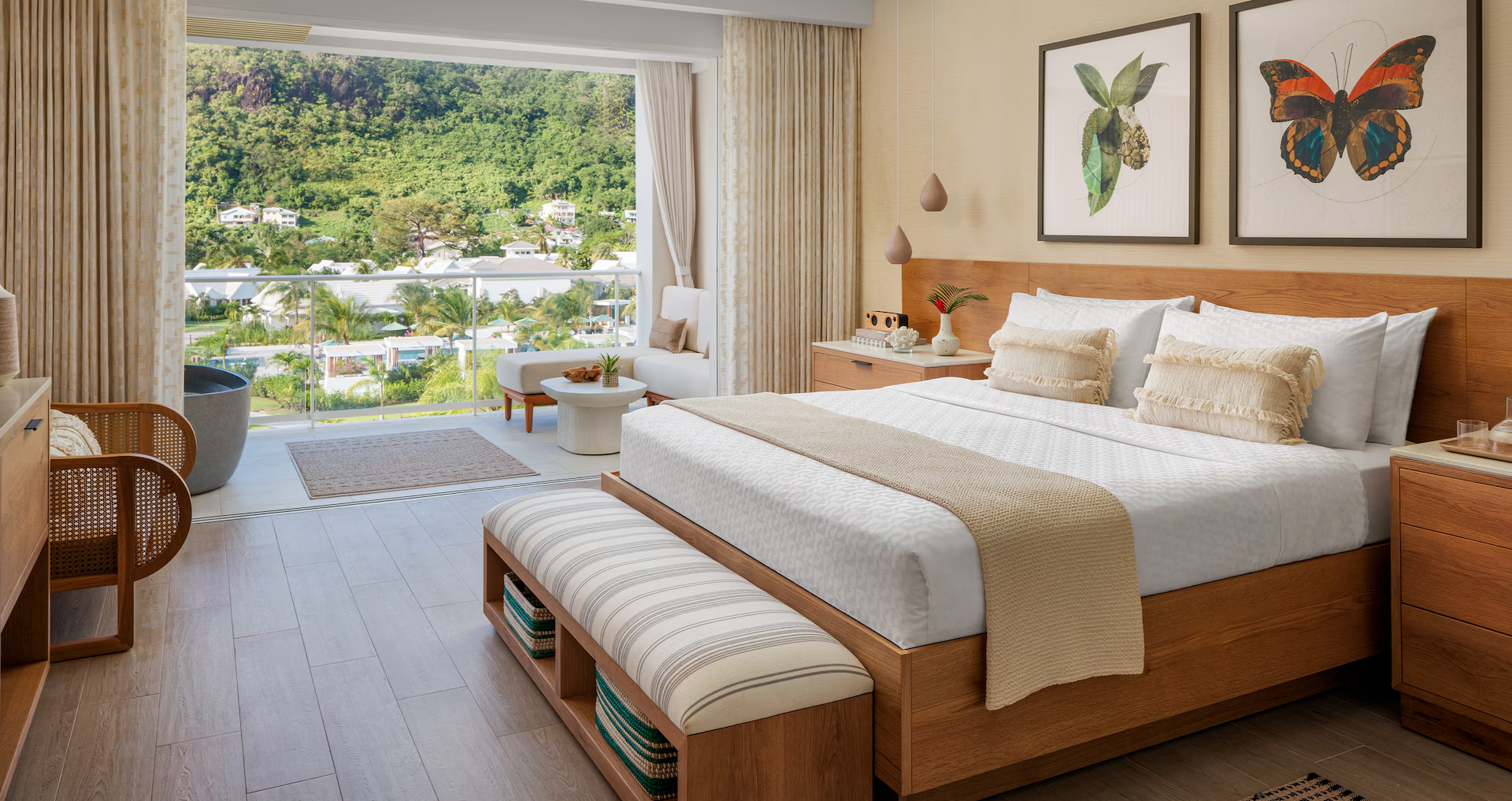
The mock-up room is where the design, finishes, and functionality are evaluated in a real, full-scale environment. A mock-up is not just about furniture placement — it is a performance review of the guest experience.
Feedback is recorded directly with designers, owners, and brand auditors.
Why this step matters: Correcting issues in the mock-up stage is fast and low-cost. Correcting issues after mass production is slow and expensive.
Transition: However, even a perfect mock-up can lead to inconsistent final rooms if approvals are not documented correctly. That’s why the next step is critical.
3. Use a Digital Approval Workflow for Materials & Finishes
We use a centralized digital approval system to track:
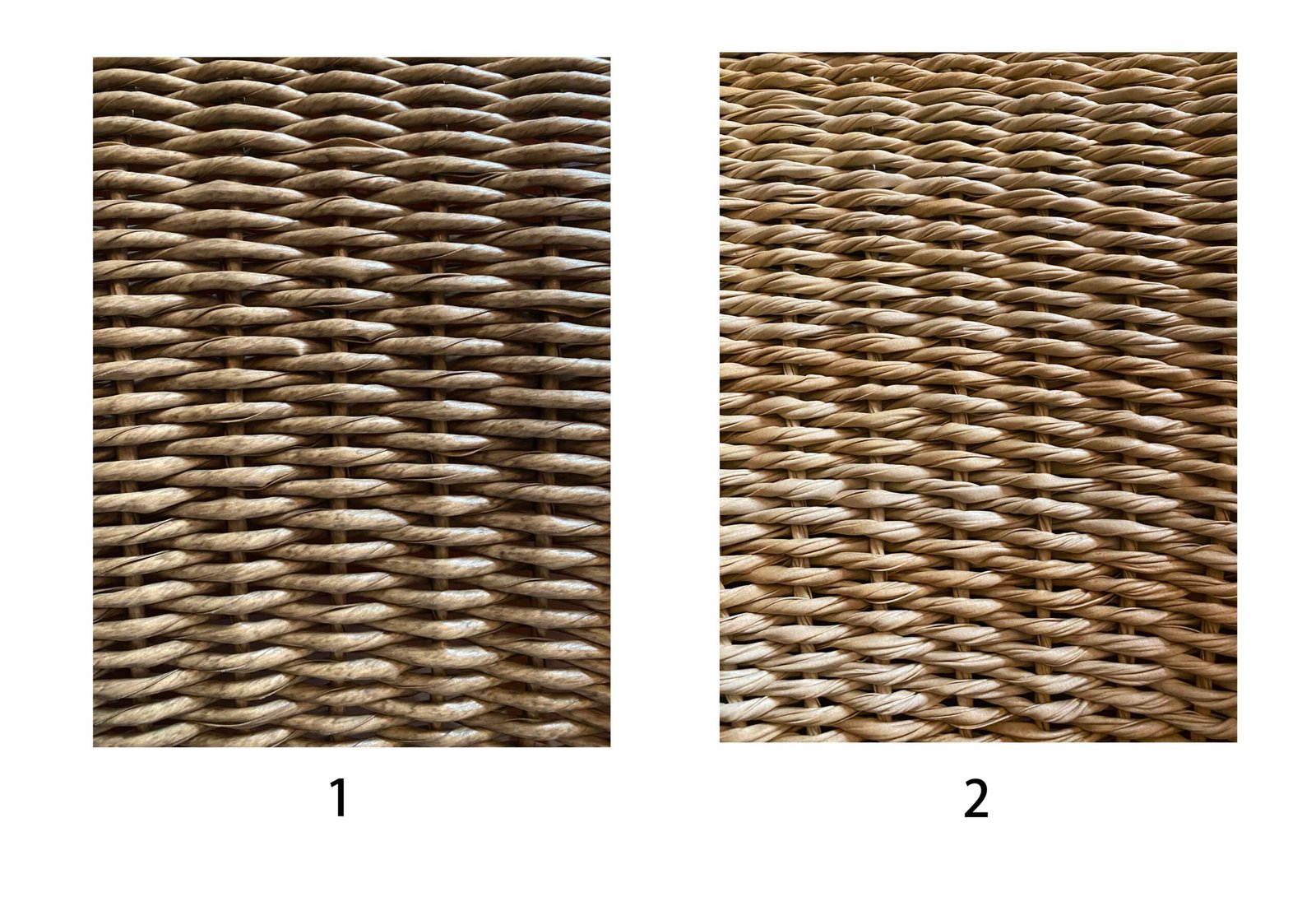
Veneer boards
Fabric swatches
Hardware finishes
Metal powder coating
Stone or sintered tops
Lighting CCT/CRI specifications
Each approved material is photographed under controlled color conditions, uploaded to a project portal, and assigned a version-controlled approval record.
This means:
No miscommunication
No conflicting reference samples
No “but I thought we approved this tone” arguments
Why this step matters: Documented approvals eliminate ambiguity and make brand auditors feel confident in vendor control.
Transition: With approvals recorded, the next challenge is maintaining compliance across scale production, not just one mock-up room.
4. Conduct 30% / 60% / 90% QC Checks During Production
Brand compliance must be preserved during manufacturing, not inspected after the fact.
Our QC workflow includes:
Stage
What We Verify
Purpose
30%
Materials & joinery structure
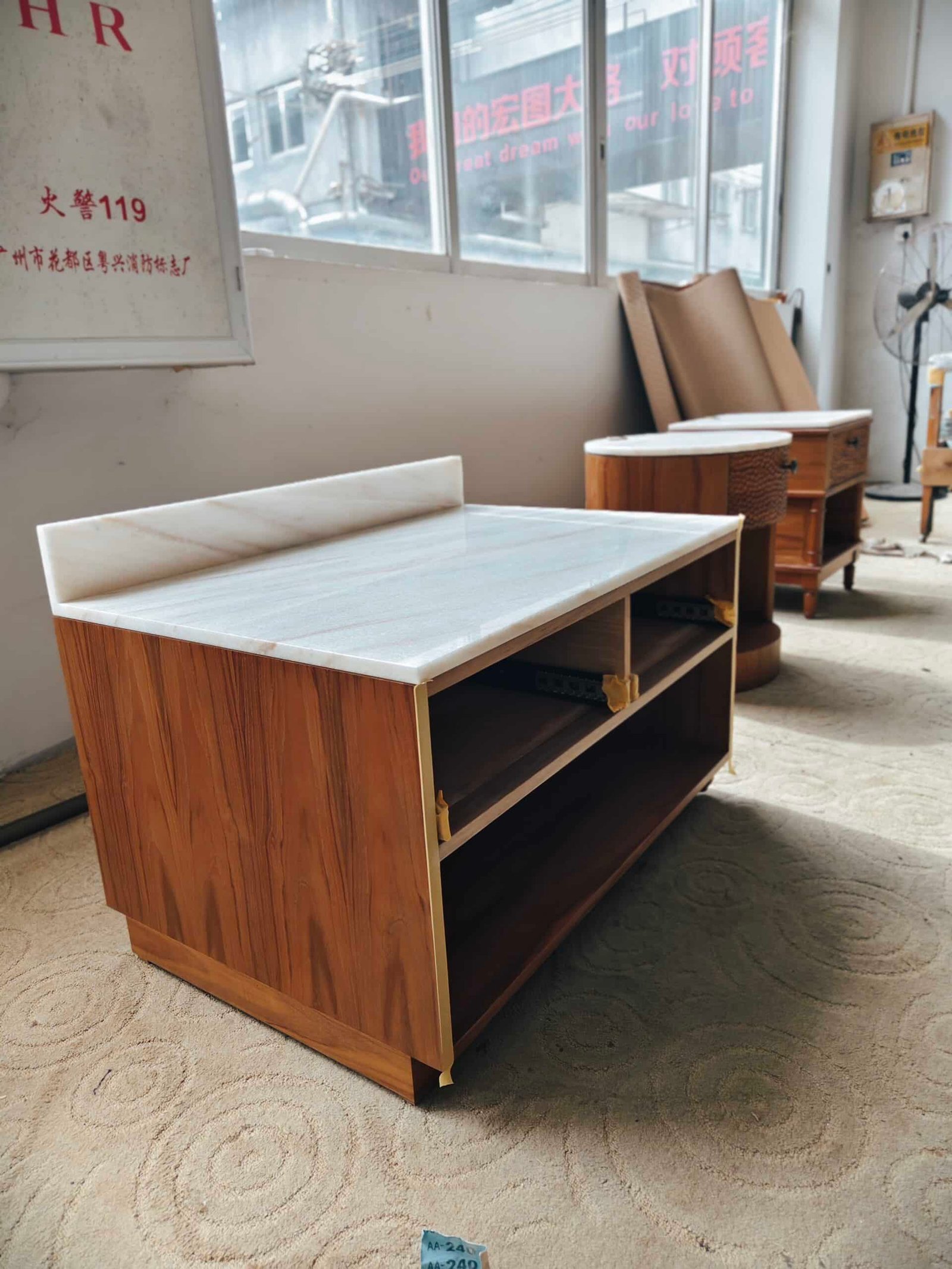
Ensures durability and long-life performance
60%
Upholstery tension, finish tone, veneer alignment
Prevents visual inconsistencies in mass production
Challenge: 6-year-old furniture fading; lighting color inconsistency hurting guest ratings. Common Response: Replace furniture and lighting separately — double CapEx. Betherev’s Strategy: Replace marble tops with sintered stone, refit spaces with matched 3000 K LED strips.
Result:
18 % CapEx savings
4-year extension of refurbishment cycle
Zero room downtime during warranty
+26 % total ROI improvement over 10 years
Conclusion
For developers, durability and integration equal profit. By aligning furniture materials and lighting technology within one manufacturing ecosystem, Betherev turns FF&E from a cost line into a capital growth tool. You protect ROI through reduced downtime, predictable maintenance budgets, and consistent brand presentation that guests — and investors — trust.
Next Step: Request a Hotel ROI Consultation
Brand standard compliance is not achieved at the end of the project — it is engineered from the start through:
Documented design interpretation
Real-space mock-up evaluation
Digital sample control
Structured production QC
Proven installation sequencing
When managed properly, the brand audit becomes a final verification, not a risk.
If your hotel project is currently in concept, sampling, mock-up, or pre-production, we can review your FF&E package and help identify compliance risks before they become delays.
→ Request a brand compliance review
FAQs
1. Q: What causes brand audit rejection in hotel FF&E projects?
Most rejections occur due to mismatched finishes, inconsistent veneer tone, incorrect lighting color temperature, or failure to follow brand joinery standards.
2. Why is a mock-up room required in hotel projects?
It allows brand auditors, designers, and owners to evaluate finishes, comfort, ergonomics, and lighting before mass production begins.
3. How do digital approval workflows help?
They centralize sample decisions, prevent miscommunication, and ensure the approved finish is the one manufactured at scale.
4.What QC checks are needed during FF&E production?
Standard checkpoints include 30% joinery structure, 60% finish alignment, and 90% final inspection before packing and shipping.