
Blog
Hotel Custom Furniture Manufacturing Insights for Developers
Table of Contents

Introduction
• Reality check: Most FF&E failures originate during procurement, not production
• Hidden cost of cheap sourcing: delays, replacements, guest complaints
• Industry shift: global brands require traceability and engineering quality
• Thesis: factory-direct hotel custom furniture manufacturing—not trading companies—will define the next decade
The Era of Trading Companies Is Ending (Developers Are Finally Noticing)
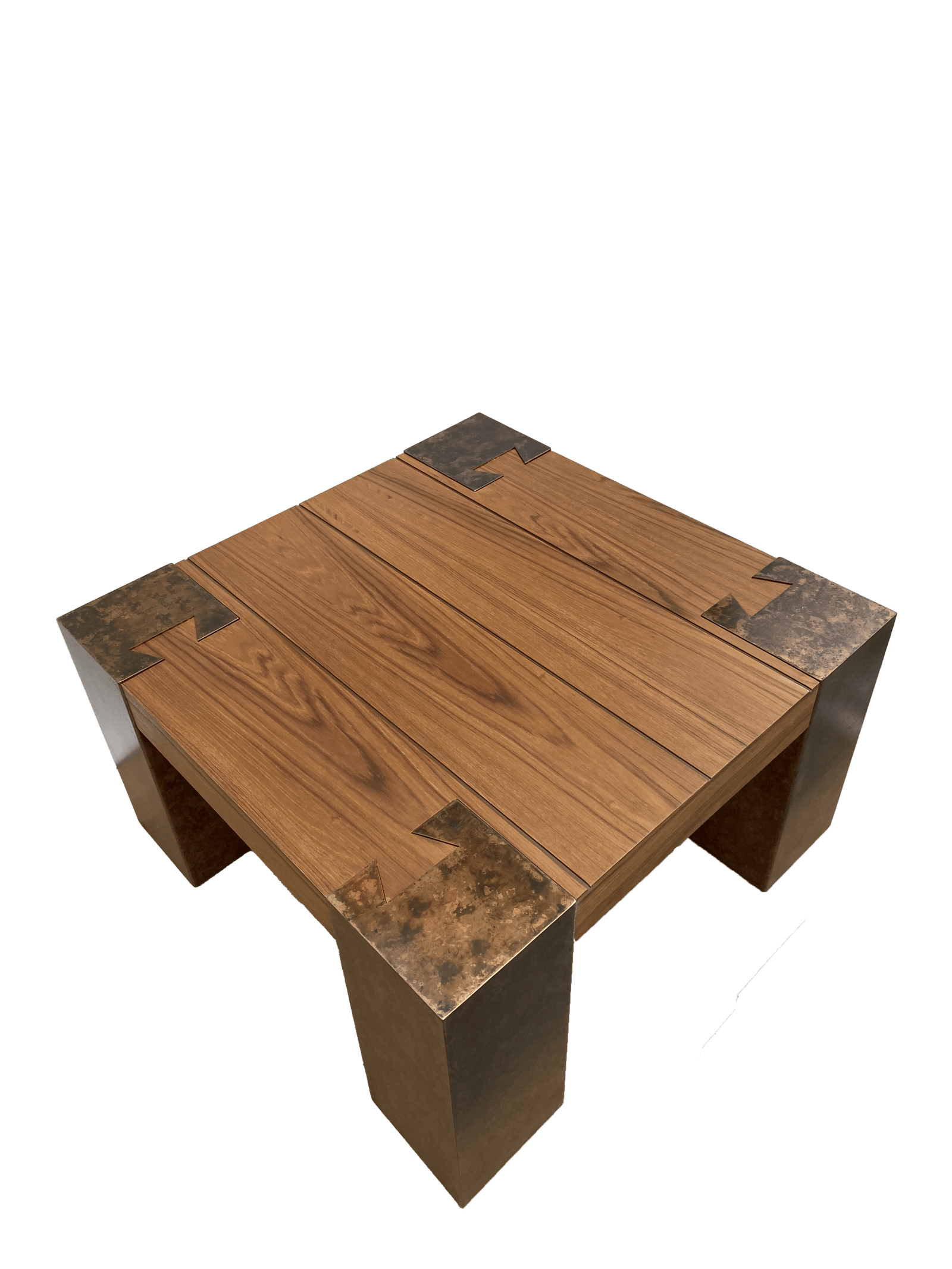
For years, trading companies lived off the gaps in the market. They quoted fast, outsourced everything, and didn’t have to worry about owning quality problems because someone else actually made the hotel custom furniture. Developers tolerated it because on paper, the price looked cheaper and the risk seemed invisible.
But hotel brands have grown up. Today, procurement teams ask for things traders simply don’t have—factory capacity documents, environmental certifications, QC reports, and traceability records tied to specific batches. When the supplier doesn’t control production, they can’t produce these documents because they don’t exist.
Developers are also learning that the “cheaper” route usually isn’t cheaper. That 10% saved upfront often becomes 30–40% more in rework, replacements, freight delays, and installation headaches. No one wants to explain to ownership why guest room wardrobes are swelling, veneers are peeling, or chairs squeak after six months — especially when the original supplier has vanished.
And then there’s regulation. Sustainability laws, carbon accounting requests, labor compliance audits, FSC timber requirements — these expose subcontracted supply chains. If you don’t know who actually made your hotel custom furniture, you can’t prove anything.
So trading companies don’t disappear — they still serve low-stakes, low-risk projects. But for serious hospitality developments, luxury brands, and long-term partnerships, their relevance is shrinking fast. Developers now want people who make the product, stand behind it, and can prove how it was built.
Engineering-Driven Furniture Is Replacing “Pretty Render” Procurement
For years, hotel projects were built around beautiful renders that looked amazing on screen but fell apart in real life. Designers sent drawings to traders or outsourcing factories, and everyone hoped it could be built as intended for hotel custom furniture. Too often, reality didn’t match the picture—materials didn’t exist, dimensions clashed on-site, or the joinery simply wasn’t structurally sound. It’s why so many projects run over budget or end up with emergency rework.
Today, that mindset is fading fast. More developers are realizing that you can’t start with fantasy and hope engineering will fix it later. The factories winning major hotel contracts now lead with engineering, not Photoshop. They run clash detection before cutting material. They use AI to automate shop drawings and check tolerances. They rely on digital QC systems to flag problems before production, not after installation. When technology sits at the centre of the process, errors shrink and timelines hold.
The biggest shift is how these factories operate. They don’t rely on one outsourced workshop for wood, another for metal, and a third for upholstery. Multiple disciplines sit under one roof—joinery, metalwork, upholstery, lighting, and finishing—so compatibility gets solved during design, not at the delivery site. You don’t discover that the bed base doesn’t align with the wall panels after shipping; it’s engineered upfront.
And something even more interesting is happening: design and engineering are merging. Factories used to be silent executors—build whatever the designer dreamed up. Now they sit at the table early, shaping feasibility, suggesting alternative materials, improving fixing methods, or value-engineering hidden components before anything goes wrong. The result is hotel custom furniture that isn’t just beautiful—it works in real buildings, lasts longer, and saves developers money they didn’t even know they were wasting.
That’s why procurement is evolving. The future belongs to manufacturers who think like engineers, not rendering artists.
In today’s hotel market, it’s not enough to just make beautiful furniture—you need the horsepower behind it. Developers are building faster than ever across APAC, the GCC, and Europe, which means suppliers must scale production without collapsing under pressure. Factories that rely on subcontractors or fragmented outsourcing simply can’t keep up, and developers are recognizing that risk.
This is why automation matters now. When a factory uses ERP production tracking, digital scheduling, robotic spray lines, or CNC automation, the output becomes consistent—no matter how many rooms you order. You can feel the difference as a buyer: samples match final production, timelines are clearer, and installation doesn’t turn into a surprise firefight.
More and more, hotel developers are voting with their contracts. They don’t want the cheapest supplier—they want the one who will deliver the exact same quality on room 1 and room 500. A vendor who misses deadlines or quality checks can cost millions in lost opening revenue, so reliability beats small savings every time.
That’s why scalability is now a strategic advantage. When a supplier can comfortably deliver 50 rooms or 500 rooms of hotel custom furniture without changing their factory process, that supplier becomes a long-term partner. Developers feel safer, projects run smoother, and brands get the consistency they need to protect their reputation.
The Economics of “Cheap Is Expensive” — Developers Are Learning the Hard Way
A lot of hotel developers still treat FF&E like a shopping list—just pick the cheapest quote and move on. But the truth is, FF&E behaves more like a performance asset than a commodity. It’s tied to guest experience, operating costs, and whether a hotel looks tired after two years or still feels fresh after ten.
You see this most clearly when cheap furniture fails early. MDF swells in humid rooms, veneer peels near minibars, and drawer runners collapse under repeated use. Suddenly savings disappear because replacements, maintenance labor, and guest complaints pile up. The cost didn’t vanish—you just postponed it.
Factory-direct manufacturing changes that equation because there’s no subcontracted maze hiding unknown variables. When everything is designed, engineered, and built under one roof, consistency improves and failure points shrink. Instead of “good luck” oversight, there’s traceability, accountability, and actual craftsmanship.
This shift is so real that investors now demand FF&E risk audits before committing capital. They want lifecycle reporting, replacement cycle projections, and proof the hotel custom furniture can survive brand standards for years. Developers are realizing that the “cheap” option looks good on paper but becomes expensive fast when durability failures hit rooms already in operation.
Designers and Developers Will Work Closer to Factories Than Ever Before
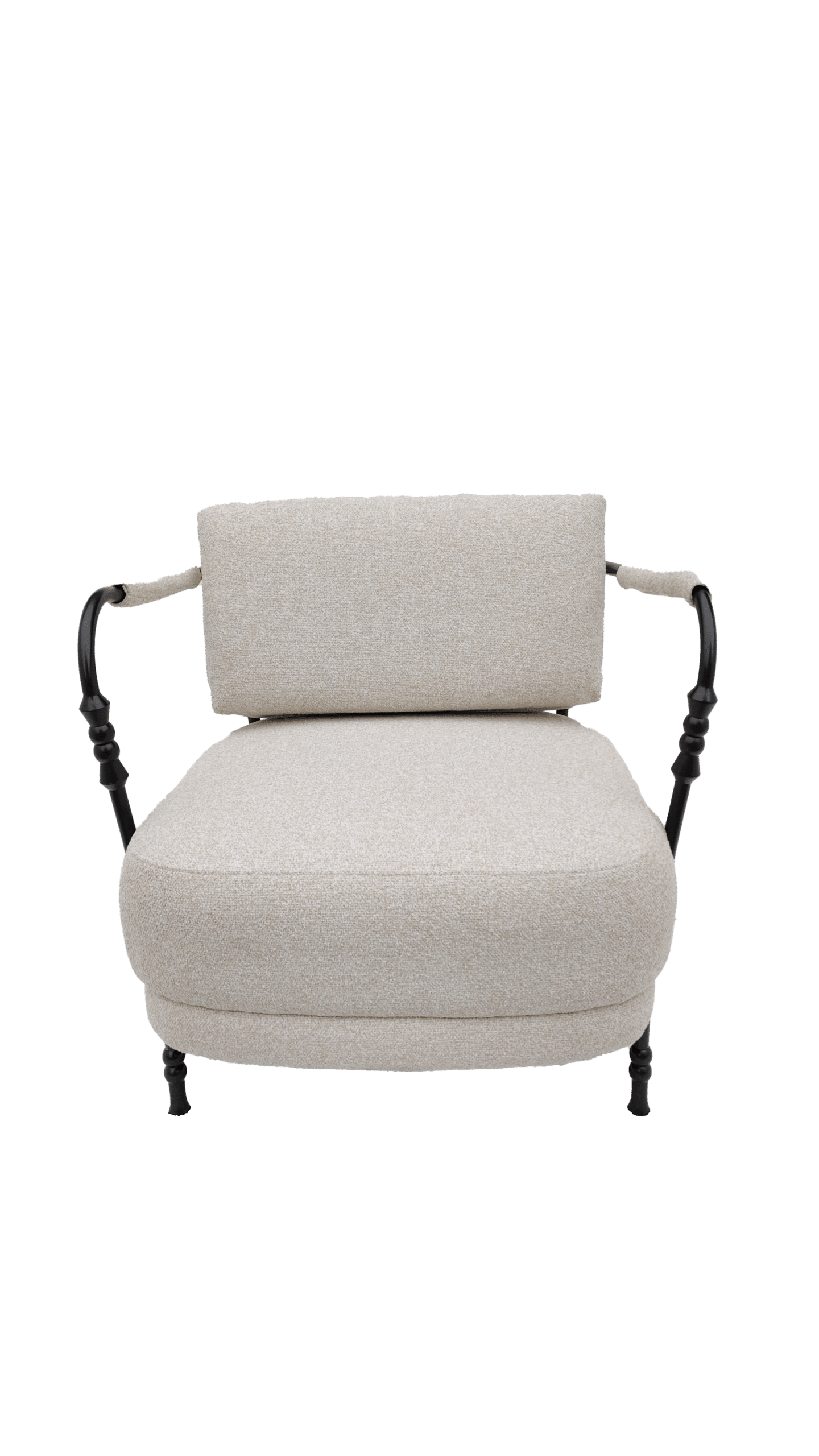
Designers aren’t waiting until the furniture is built to find out whether something is feasible anymore. They’re walking into factories earlier because projects are getting more complex—think integrated lighting, curved veneer panels, mixed metal finishes, and hidden wiring. These details can only be resolved properly when designers collaborate with manufacturers instead of handing them a drawing and hoping for the best.
Factories are changing too. They’re not just production spaces—they’re becoming R&D labs. Many now have prototyping floors, testing rooms, veneer labs, lighting mock-ups, and material libraries. Designers can actually touch materials, compare patterns under real lighting, and see how pieces behave before committing to a specification. That hands-on interaction saves weeks of trial and error on site.
The biggest benefit of this early involvement is avoiding redesigns and cost blow-outs. When a factory engineers something from day one, you don’t get halfway through production only to discover the curve radius can’t be bent, or the LED driver doesn’t fit the joinery cavity. Fixing those mistakes late is expensive. Fixing them early is painless.
The future isn’t a designer sketching something beautiful and a factory figuring it out later. It’s co-creation. Factories are sitting in design meetings. Designers are working inside factories. The best outcomes happen when feasibility, aesthetics, cost, and manufacturing capability influence each other from the start—rather than living in silos.
Counterpoint — “But Traders Are Faster and Cheaper”
It’s true — traders often send quotes faster. But what looks quick in the inbox usually costs you time later. Fast quotes are based on assumptions, not verified specifications. That means the “cheap” pricing shifts once details like finishes, joinery, fire-rating, or engineering loads are clarified. Developers only discover this after approval, when variation orders start piling up.
Traders also look cheaper on paper. The problem is they don’t control the product they are selling. If the factory switches veneers, downgrades hardware, or outsources to a secondary workshop, the trader rarely knows until you find out on-site. That’s where savings evaporate — rework, rejects, delays, and blame with nowhere to land.
Consistency, warranty accountability, and documentation are almost impossible for them to guarantee. You might get a sample that looks perfect, but the production run comes from a different workshop. You ask for warranty rectification and suddenly the factory disappears, the trader blames them, and you are left without clear recourse. Serious hotel brands no longer accept that level of risk.
There’s a balanced view here: traders still have a place. If the project is small, low-risk, or has relaxed expectations (like cafés, boutique villas, or budget properties), a trading company might do fine. But for hotels aiming at brand standards, occupancies over 100 keys, and long-term asset performance — traders are fast and cheap only at the beginning. Smart developers are realizing the total cost of control, compliance, and accountability matters far more than how quickly a quote hits their inbox.
What Developers, Procurement Teams & Designers Must Do Now
If you work in hotel development today, you can’t treat FF&E like a simple shopping activity anymore. Furniture isn’t just something you “buy”—it’s part of the building’s performance. When you view FF&E as a long-term asset instead of a lowest-bid contest, you start to see how the cheapest quote usually becomes the most expensive mistake to fix later.
This shift also means choosing factories that actually build what they show. A vertically-integrated manufacturer knows how wood, veneer, lights, metal, upholstery, and hardware work together because they make all of it in-house. That kind of capability is hard to fake, and it gives you visibility, consistency, and control you’ll never get from loosely stitched subcontractors.
Developers who win are engaging factories early—before drawings are “final.” You save time, avoid redesigns, and fix feasibility issues when they’re still easy to fix. Waiting until after tender means repeating work, delaying approvals, and paying for errors that could have been prevented.
Transparency is another non-negotiable. You should be asking for shop drawings, certifications, QC checklists, packaging specs, and lifecycle documentation. When a supplier can’t provide these, it’s a signal they don’t actually control their production—it’s outsourced, unclear, or inconsistent.
Finally, treat mock-ups like a stress test, not a showroom ritual. Push the factory to prove things: hinge alignment, veneer seams, drawer load, lighting access, serviceability, and finish matching under different lighting. If the mock-up doesn’t break something, it probably isn’t being tested properly.
Hotels are built to last 10–20 years. Your hotel custom furniture strategy should too.
Conclusion
• The future belongs to manufacturers who prove engineering quality and lifecycle value
• Developers who adopt factory-direct sourcing now will outperform competitors
• Call to awareness: rethink supplier selection before your next project — especially for hotel custom furniture
FAQs
Q1: What is hotel custom furniture?
Hotel custom furniture refers to furniture designed, engineered, and manufactured specifically for hospitality projects, meeting brand standards, durability requirements, and spatial needs.
Q2: Why is factory-direct manufacturing important for hotel custom furniture?
Factory-direct production ensures quality control, traceability, consistent materials, and engineering oversight — eliminating failures common in subcontracted supply chains.
Q3: Are trading companies still useful for hotel custom furniture procurement?
They may work for small, low-risk projects, but most hotel developers prefer factory-direct manufacturers for accountability, documentation, and long-term lifecycle performance.
Q4: How does engineering improve hotel custom furniture outcomes?
Engineering-led factories detect clashes early, optimise joinery, prototype hardware integration, and ensure the final product performs reliably in hotel environments.
Q5: What should developers check before ordering hotel custom furniture?
Review shop drawings, QC checklists, material specs, certifications, packaging standards, and conduct mock-up testing — not just accept visual samples.
Q6: Why does “cheap” hotel custom furniture end up more expensive?
Low-cost suppliers often cut materials or outsource builds, causing failures, maintenance costs, operational downtime, and replacement expenses.
Q7: How will designers work with factories in the future?
Designers will collaborate earlier with manufacturers, testing materials in labs, validating lighting integration, and co-developing feasible engineering solutions.
Q8: What trends define the future of hotel custom furniture manufacturing?
Automation, vertical integration, digital QC, lifecycle reporting, scalability, traceable sourcing, and engineering-led co-creation are now industry necessities.
Know more

Our Portfolios
Trust and Worth
Our Clients











Get In Touch for Your Cost-Effective Customized FF&E & Joinery Needs
We’d love to hear about your project. Whether you need custom FF&E solutions or joinery services, we’re here to help.