

Blog
How to Choose the Right Hotel Bathroom Vanity (2025 Guide for Developers & Designers)
Table of Contents

A hotel bathroom vanity is one of the most used — and most abused — pieces of joinery in any guest room. Guests expect it to look premium, function smoothly, and survive constant exposure to water, cosmetics, and cleaning chemicals. Developers expect it to last for years without maintenance headaches.
If you’re planning a new hotel, a refurbishment, or simply want to avoid expensive bathroom damage, understanding how to specify the right hotel bathroom vanity is essential. This outline shows you exactly what to cover.

What a Hotel Bathroom Vanity Actually Needs to Do
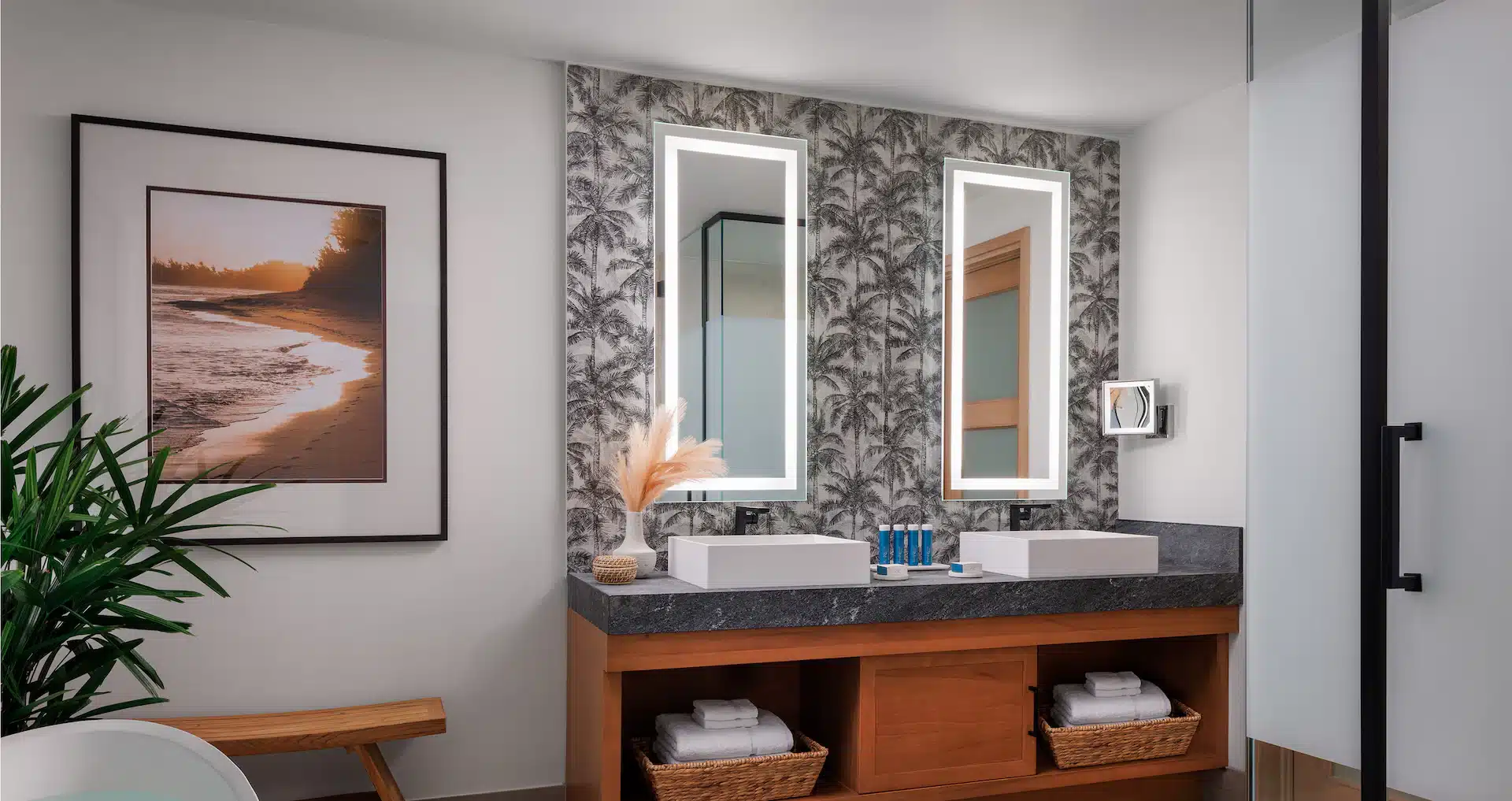
A hotel bathroom vanity has one job: make the guest’s stay easier. It needs to hold essentials, hide plumbing, support the countertop, and still look good after hundreds of people have used it. When the layout is simple and intuitive, guests don’t have to think about where to place toiletries or how to access the drawers. Everything works smoothly.
Storage is a big part of the vanity’s role. Guests usually need space for toiletries, makeup bags, electric razors, and sometimes even a small carry-on. A well-designed hotel bathroom vanity makes room for all of that without feeling cramped. At the same time, it must integrate plumbing, meaning the design has to work around pipes, traps, and service access without wasting usable space.
Because it sits in one of the wettest areas of the entire hotel room, the vanity also needs solid waterproofing. Moisture-resistant boards, proper sealants, and well-ventilated cavities help prevent the slow kind of damage that shows up months later—swelling, peeling, or mold. Hotels near beaches or in humid climates need to be even more careful about this.
Durability isn’t optional. Vanities in hotels get far more use than the ones we have at home. Guests splash water, drop hair dryers, drag luggage, and sometimes leave puddles behind. A hotel bathroom vanity built with the right materials and hardware can handle that stress and keep looking new for years. A weak one starts showing damage after just a few months.
Good design also makes life easier for the housekeeping team. Open shelves that collect dust or awkward cabinet doors that get stuck slow down room turnover. But a hotel bathroom vanity with easy-to-wipe surfaces, thoughtfully placed edges, and accessible storage can shave minutes off each cleaning cycle. Over hundreds of rooms, that adds up to real labor savings.
A common failure example is poor ventilation. When the vanity doesn’t have enough airflow behind or inside it, moisture gets trapped. The result? Moldy corners or swollen panels that bubble out over time. Hotels often discover this too late, and the repair costs can be significant. Proper design from the start helps avoid problems like this entirely.
Choosing the Right Materials for Long-Lasting Performance
When you’re choosing materials for a hotel bathroom vanity, the goal is simple: it has to survive moisture, heat, cleaning chemicals, and heavy daily use. Some materials do this well; others fall apart fast. Knowing the difference saves you from swollen boards, peeling edges, and expensive replacements a few years down the line.
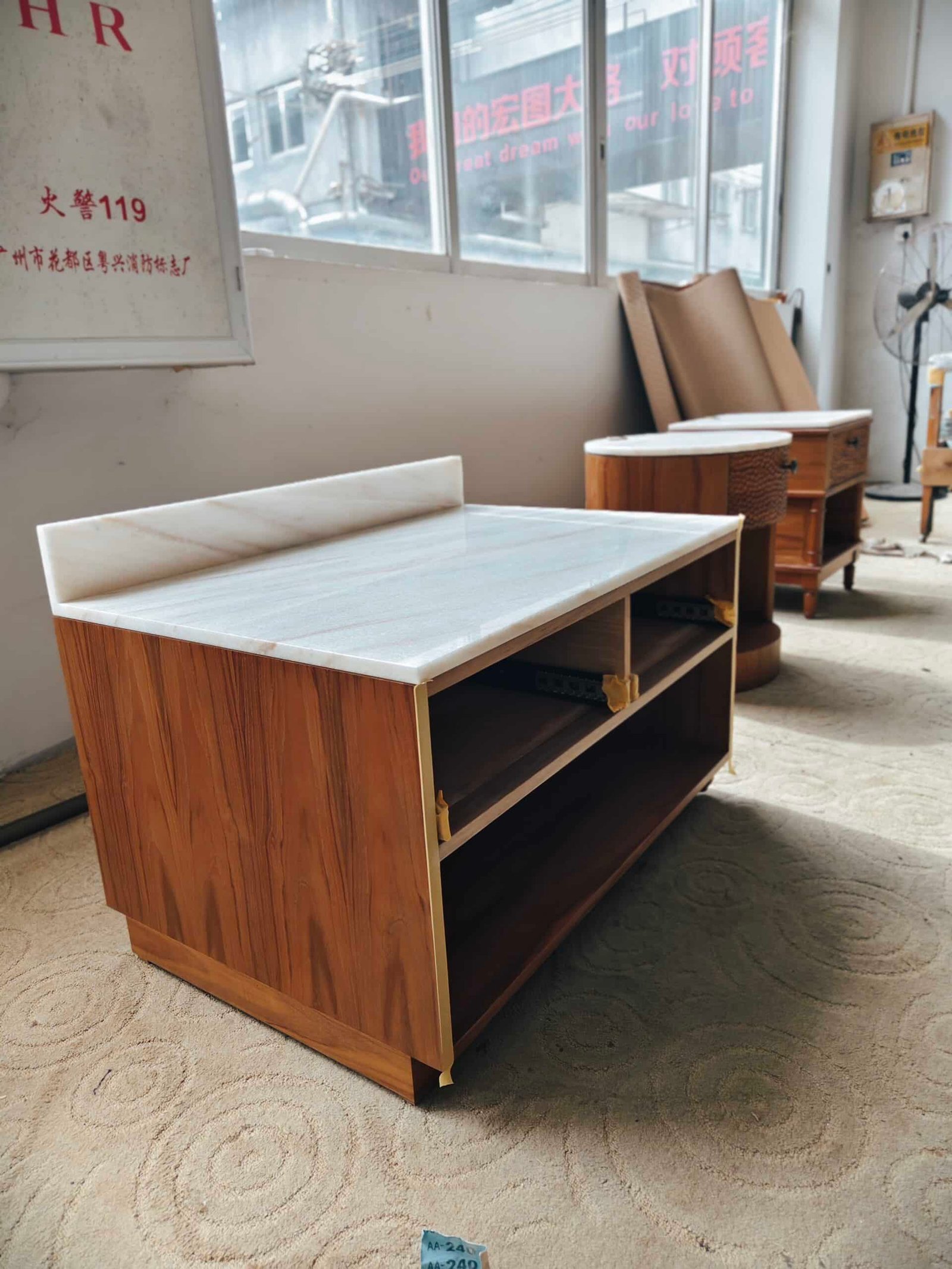
Plywood is usually the safest choice for most hotel projects because it handles moisture better than standard particleboard. Marine plywood takes this even further—it’s engineered for high-humidity spaces and resists warping and delamination even when water sneaks in. Melamine and laminate boards also work well for budget-friendly rooms, but they’re only as strong as their core and edge protection. Solid surface, quartz, and sintered stone sit on the premium end—they’re dense, stain-resistant, and almost impossible to damage under normal hotel use.
MDF, on the other hand, is the material that fails first in a bathroom. It absorbs moisture like a sponge. Even a tiny crack in the coating can cause it to swell, bubble, and lose structural strength. In humid climates or poorly ventilated bathrooms, MDF vanities often show visible damage within months.
Countertops deserve special attention because they take the most abuse. Solid surface is great for seamless curves and easy repairs. Quartz is harder and more heat-resistant, especially for areas near hair dryers or hot tools. Sintered stone is the most durable of all—scratch-resistant, UV-stable, and almost impossible to stain. These materials keep their finish even with strong cleaning detergents.
To extend vanity lifespan:
Use waterproof coatings (polyurethane, moisture-proof lacquer)
Seal edges with PVC edge banding
Apply anti-fungal sealants around basins
Add metal trims or stone splash guards in high-end hotels
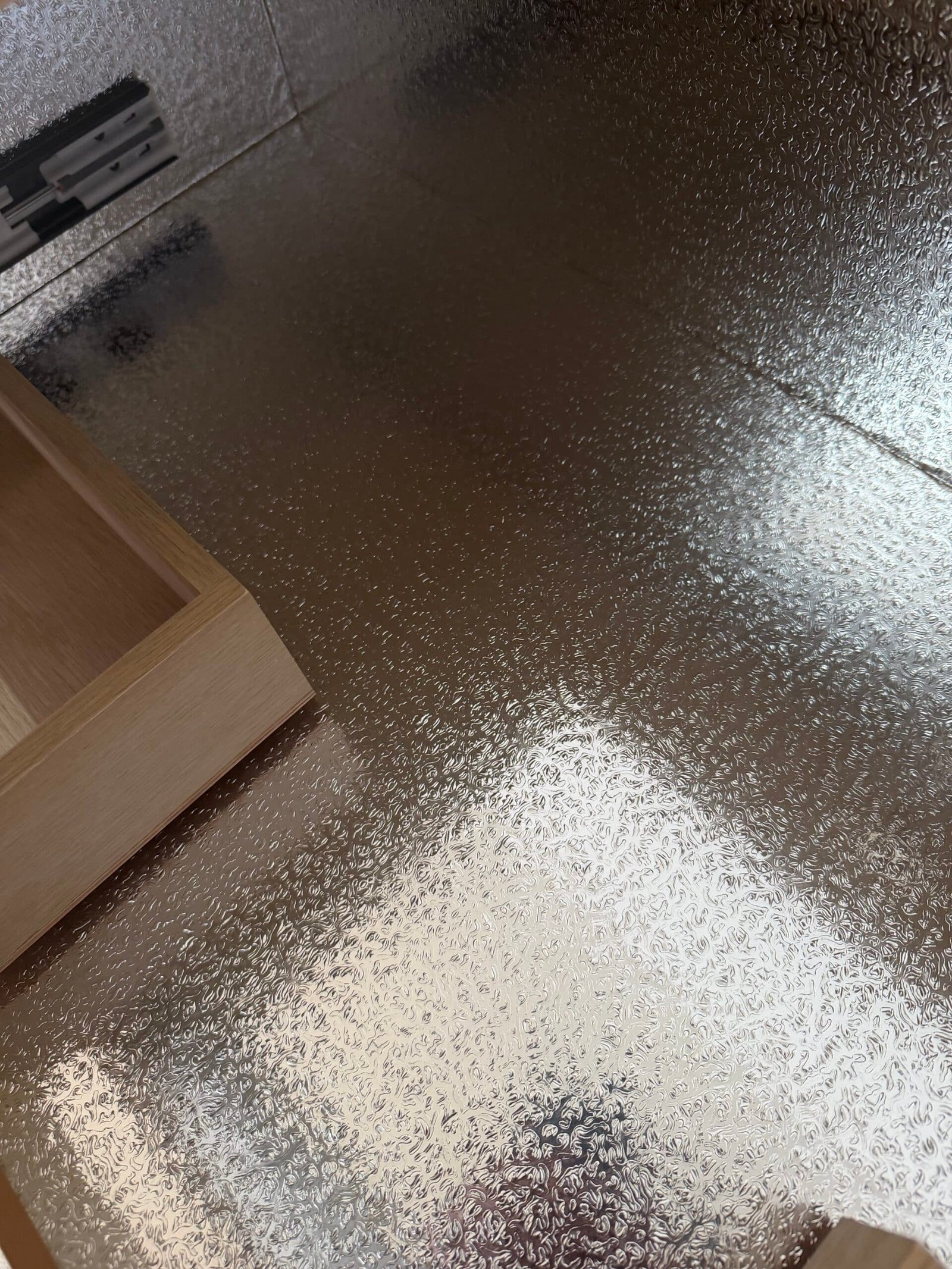
Use aluminium foil–backed panels for the carcass, which provide one of the best moisture barriers and prevent hidden water damage behind the vanity
The right combination of materials ensures your hotel bathroom vanity stays clean, strong, and functional for years.
Design & Layout Considerations That Matter in Hotel Bathrooms
Getting the design right in a hotel bathroom starts with the basics: height, depth, and how people actually use the space. Most vanities work best at 850–900mm high, which feels comfortable for most guests and keeps the countertop usable without bending too low. Depth matters too. A vanity that’s too shallow feels cramped, and one that’s too deep makes the room feel tight. You want just enough space for a basin, amenities, and daily use without overwhelming the layout.
Then there’s the question of drawers vs. open shelves vs. closed cabinets. Drawers are great because guests can instantly see what they’ve stored, but they require more precise hardware and alignment. Open shelves make towels easy to grab but can look messy if guests toss things inside. Closed cabinets hide clutter and plumbing, but guests often ignore them because they don’t like opening doors to “discover” what’s inside. There’s no perfect answer — the right choice depends on the hotel’s brand, housekeeping needs, and how long guests usually stay.
A well-designed hotel bathroom vanity also integrates smart features. Built-in towel racks save space and keep the counter tidy. LED mirrors help with makeup and shaving, especially when they include anti-fog functions. A dedicated hair-dryer niche means guests don’t have to search for it, and housekeeping doesn’t need to constantly reposition it. These small details make the vanity feel intentional instead of improvised.
Behind the scenes, you need to plan for plumbing access and future maintenance. Designers sometimes hide pipes so well that maintenance teams have to dismantle half the vanity just to tighten a fitting. A small access panel or removable shelf saves time, money, and headaches. Think long-term: whatever is difficult to reach now will be even harder to reach once the hotel is full.
Finally, there are a few common mistakes you want to avoid. Putting a hotel bathroom vanity directly in a splash zone leads to swollen panels, mold, or water stains within a year. Poor drainage direction causes water to pool instead of flowing toward the basin. Sharp corners become a real problem in compact rooms, especially when guests move quickly. Good design removes these risks before the room is even built.
Lighting, Mirrors & Electrical Integration
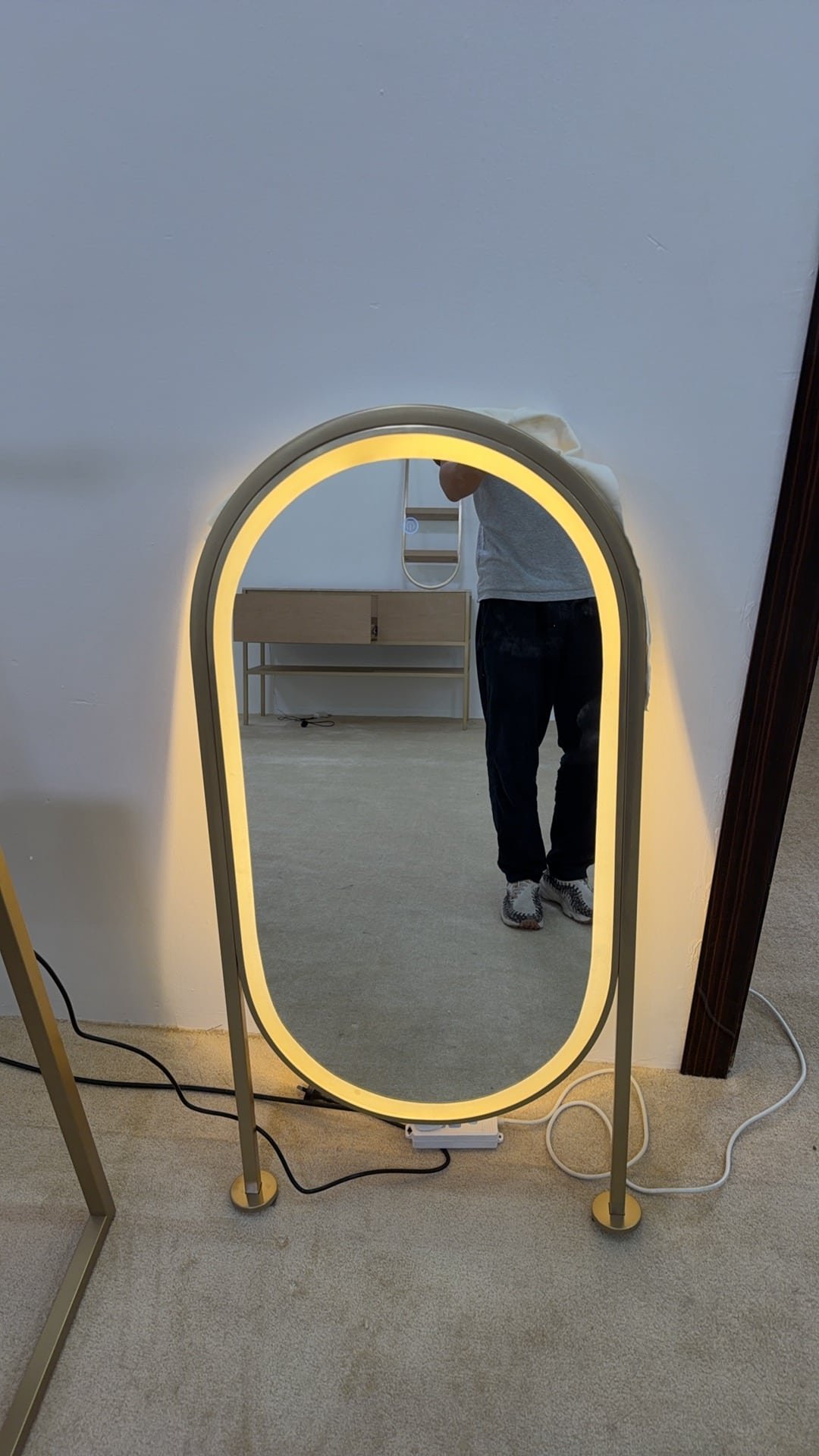
Good lighting is one of the easiest ways to make a hotel bathroom vanity feel expensive without actually spending much. Backlit mirrors are usually the best option because they give even, shadow-free light that works for shaving and makeup. Under-vanity LEDs add a soft glow at night and help guests move around without turning on the main lights. Aim for a warm color temperature—around 2700K to 3000K—so the bathroom feels calm instead of clinical.
Sockets matter more than most people think. You want hairdryer outlets, shaver outlets, and general power sockets placed where a guest naturally reaches, not hidden behind a towel bar or too close to a splash zone. Keep them at a comfortable height and make sure they don’t interfere with mirror doors or drawers. When the layout is right, you reduce guest frustration and keep housekeeping from dealing with unsafe workarounds.
You can choose between sensor lighting and manual switches, and each has its place. Sensors are great for night lighting because they turn on only when someone walks in. But for makeup or shaving, guests often prefer manual control so the light stays consistent. A mix of both usually gives the best experience.
Anything electric in a bathroom needs proper waterproofing. LED drivers, mirror backplates, and sockets must be rated for humid areas, and any wiring near water sources should follow local bathroom zone regulations. Skipping waterproof ratings might save a few dollars now, but you’ll pay for it in repairs or compliance failures later.
Here’s a real example. A hotel installed shaver sockets right next to the basin because it “looked balanced.” During inspection, it failed compliance because the socket was within the splash area, and the entire batch of vanities needed to be modified. A simple layout check could have prevented thousands in rework.
Hotel Bathroom Vanity Installation & Quality Checks
Before you install a hotel bathroom vanity, it helps to slow down and double-check the basics. Make sure your measurements are accurate, the walls can actually support the unit, and the plumbing lines up with the openings you’ve prepared. A few millimeters off in the beginning can turn into hours of rework later. This quick pre-installation check usually saves everyone a lot of stress.
Once the vanity is in place, start testing the moving parts. Open and close every drawer, press the soft-close runners, and swing the doors like a real guest would. If anything feels stiff, uneven, or noisy, fix it now—because guests will notice. Smooth movement is a small detail, but in a hotel, small details add up fast.
The countertop needs attention too. A slight slope toward the basin helps prevent water from pooling on the surface, which protects the finish and reduces housekeeping time. You can check this with a level or even by placing a small amount of water on the top and watching how it flows.
Sealing is another step people often rush through. Every joint—whether it’s between the wall and the vanity, around the basin, or along a stone top—needs proper waterproofing. A clean, continuous bead of sealant prevents moisture damage, swelling, and mold. It also gives the vanity a finished, hotel-grade look.
Your final QC pass is where everything comes together. Do a moisture test to make sure no water sneaks into exposed edges. Check the leveling again, because even a slight tilt can affect drainage or door alignment. And don’t forget a quick load-bearing test to confirm the hotel bathroom vanity can handle real-world use, including guests leaning on the countertop or placing heavy items inside.
A solid checklist now means fewer complaints and far less maintenance later.
Cost, Value Engineering & Common Pitfalls
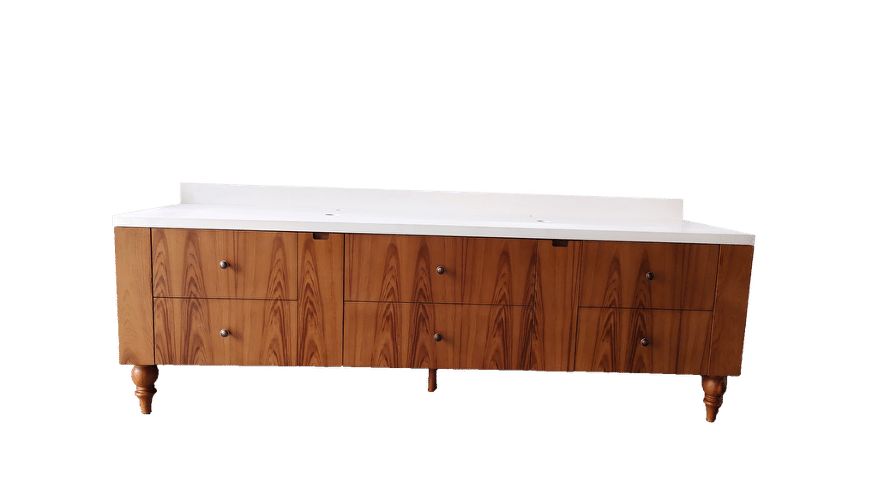
When you’re trying to control costs on a hotel bathroom vanity, the goal isn’t to “go cheap.” It’s to choose materials and details that give you durability without unnecessary upgrades. A good example is using a melamine carcass paired with a stone countertop. You keep the strength and moisture resistance where it matters most—the top—while reducing spend on internal panels guests will never see.
There are moments when upgrading is worth it, especially in wet areas. Things like stone edge protection, waterproof back panels, and soft-close hardware might look optional on paper, but they save money later. A vanity edge trim can take the impact of luggage bangs. Waterproof backing prevents swelling when cleaners splash water behind the unit. Soft-close hardware avoids early failures from constant use.
Hidden costs are what usually hurt a hotel project—not the upfront material cost. Water damage behind a vanity can turn into mold remediation, wall repair, and even temporary room closures. That means lost revenue per night and unhappy guests. A cheaper material might seem like a win during procurement, but it can end up costing 5–10 times more once you factor in downtime and repairs.
Comparing prices between suppliers can also get tricky. The best way is to break everything down into the same categories—carcass material, stone thickness, hardware brand, edge finishes, moisture-proof treatments, and installation costs. If one quote doesn’t list something clearly, ask for clarification. Many “lower prices” hide missing components rather than real savings.
A simple example: one hotel upgraded from MDF to plywood + waterproof backing for their hotel bathroom vanity units. The initial increase was about $18 per unit. But after two years, they recorded zero swelling incidents and avoided roughly $12,000 in repairs and room outages. That’s the kind of long-term ROI that smart material choices can deliver.
Conclusion
The right hotel bathroom vanity isn’t just a design feature — it’s a strategic investment that affects durability, guest satisfaction, and long-term maintenance costs. By choosing the right materials, planning smart layouts, and enforcing strict QC checks, you can prevent water damage and create a safer, more premium guest experience.
If you’re planning a hotel project or comparing suppliers, start with these essentials and build your specification with confidence.
FAQs
1. What is the most durable material for a hotel bathroom vanity?
Marine plywood with a quartz or sintered stone countertop is generally the most durable combination. These materials handle moisture, cleaning chemicals, and constant guest use exceptionally well.
2. Why is MDF not recommended for hotel bathroom vanities?
MDF absorbs moisture quickly. Even a tiny crack in the coating can cause swelling, bubbling, and structural failure—especially in humid bathrooms. Hotels using MDF vanities often face early damage and costly replacements.
3. How high should a hotel bathroom vanity be?
The ideal height for a hotel bathroom vanity is 850–900mm, which suits most guests and aligns with common hotel brand standards.
4. What waterproofing steps are essential for hotel bathroom vanities?
Key waterproofing steps include PVC edge banding, polyurethane coatings, anti-fungal sealant around basins, and using aluminium foil–backed panels for hidden moisture protection.
5. What countertop material is best for hotel bathrooms?
Sintered stone and quartz are the top choices due to their resistance to stains, heat, impact, and cleaning chemicals. Solid surface is also good for seamless designs.
6. How can hotels reduce long-term maintenance on their vanities?
Use moisture-resistant materials, ensure proper ventilation, add edge protection, design easy plumbing access, and place the vanity outside major splash zones.
7. Why does lighting matter for hotel bathroom vanities?
Good lighting improves guest experience and usability. Backlit mirrors, under-vanity LEDs, and warm light (2700K–3000K) help eliminate shadows and create a premium feel.
8. Are aluminium foil–backed panels really effective?
Yes. Aluminium foil–backed panels offer one of the best moisture barriers. They protect the carcass from hidden leaks, splashes, and humidity behind the vanity—significantly extending its lifespan.
9. What are the most common mistakes when designing hotel bathroom vanities?
Placing vanities in splash zones, using MDF, poor ventilation behind the unit, incorrect socket placement, sharp corners, and no access for plumbing maintenance.
10. How do I compare different hotel bathroom vanity suppliers?
Compare quotes line-by-line: carcass material, countertop thickness, hardware brand, waterproof treatments, edge protection, and installation method. Missing items often hide true costs.

Our Portfolios
Trust and Worth
Our Clients











Get In Touch for Your Cost-Effective Customized FF&E & Joinery Needs
We’d love to hear about your project. Whether you need custom FF&E solutions or joinery services, we’re here to help.