
Blog
How to Choose the Right Common Area Furniture for Modern Hotels (2025 Edition)
Table of Contents

Walk into any hotel lobby, and you’ll know instantly whether the brand “gets it.” The lighting, the seating, the flow—your common area furniture sets the tone before a guest even reaches the front desk.
For hotel developers, operators, and procurement teams, choosing the right common area furniture isn’t just about style. It’s about durability, maintenance cost, brand identity, guest experience, and total lifecycle value. Here’s how to make those decisions with clarity and confidence.
What Counts as Hotel Common Area Furniture?
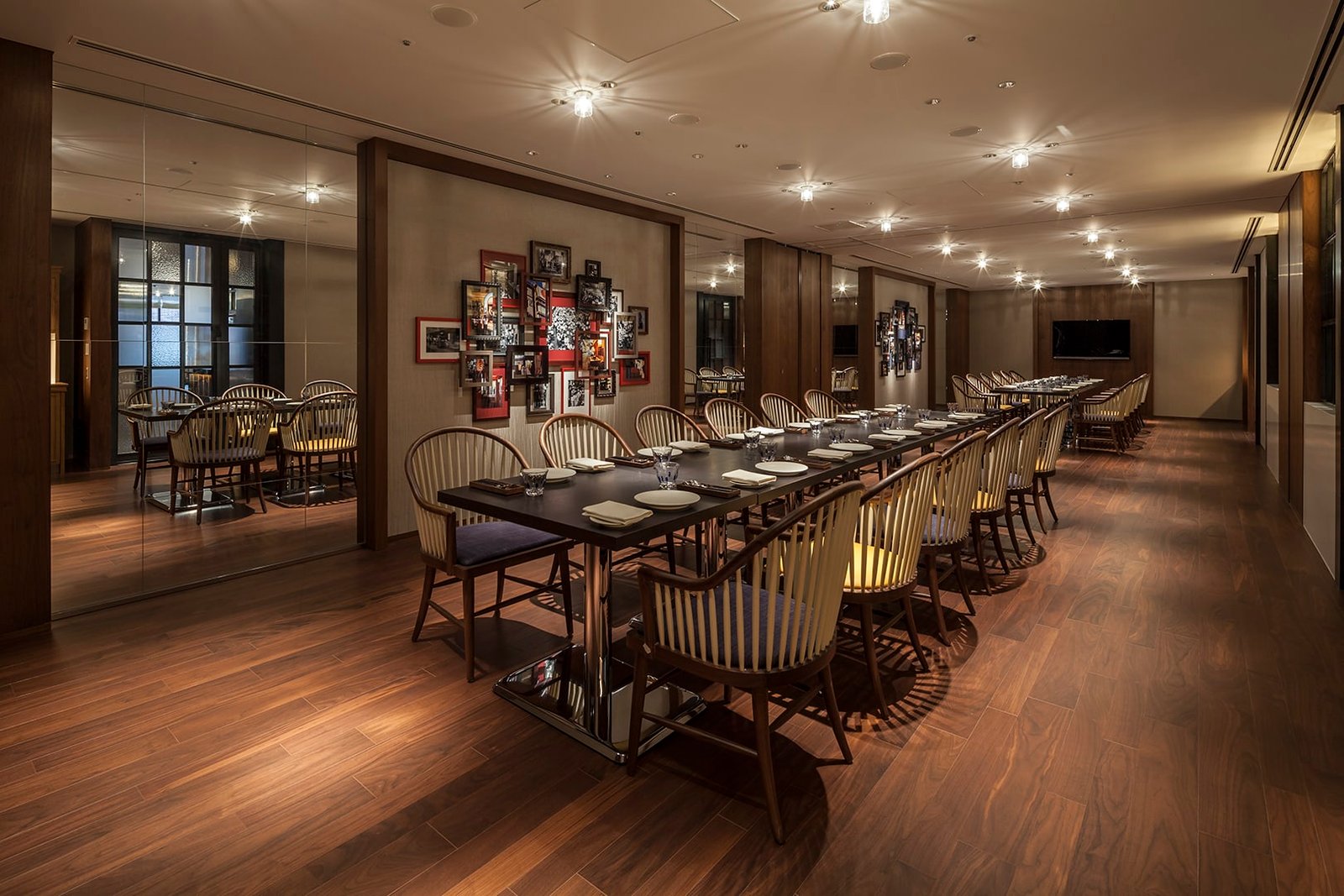
When people talk about “common area furniture,” they’re really talking about everything guests interact with outside the guest rooms. Think about the lobby, lounge, reception, lift lobbies, corridors, meeting rooms, and even public restrooms. These spaces set the tone for the entire stay, so every piece of furniture pulls more weight than most people realize.
Common area furniture comes in two main categories. Loose furniture includes things like sofas, armchairs, coffee tables, bar stools, and side tables — pieces you can lift, move, or replace. Fixed joinery covers anything built into the space, such as reception counters, wall panels, banquette seating, minibar counters, or decorative screens. You can think of loose furniture as the “actors” and fixed joinery as the “stage” that holds everything together.
These pieces matter because guests start judging the hotel the moment they walk in. Research suggests people form a first impression in about seven seconds, and furniture is a big part of that. A worn lobby sofa, a wobbly coffee table, or a scratched reception counter quietly signals “low quality” long before anyone talks to the front desk.
Common areas also take the heaviest beating in the entire hotel. Hundreds or even thousands of guests pass through these spaces every day. Kids jump on sofas. Suitcases scrape against chairs. Guests rest their feet, lean on armrests, spill coffee, and drag things across surfaces. It’s no surprise that these areas wear out faster than guest rooms.
Here’s a real example. A mid-range hotel installed beautiful-looking lobby sofas with residential-quality wooden frames. They looked great for the first month — until they didn’t. Within a few weeks, the frames loosened. By the third month, one of the seats completely collapsed when a guest sat down. The issue wasn’t the design. It was the fact that the frames weren’t commercial-grade, and the lobby’s traffic was far more intense than a normal living room. It cost the hotel more money to replace all the seating than it would’ve cost to get proper hospitality-grade furniture from the start.
Material & Build Quality: What Really Determines Furniture Lifespan
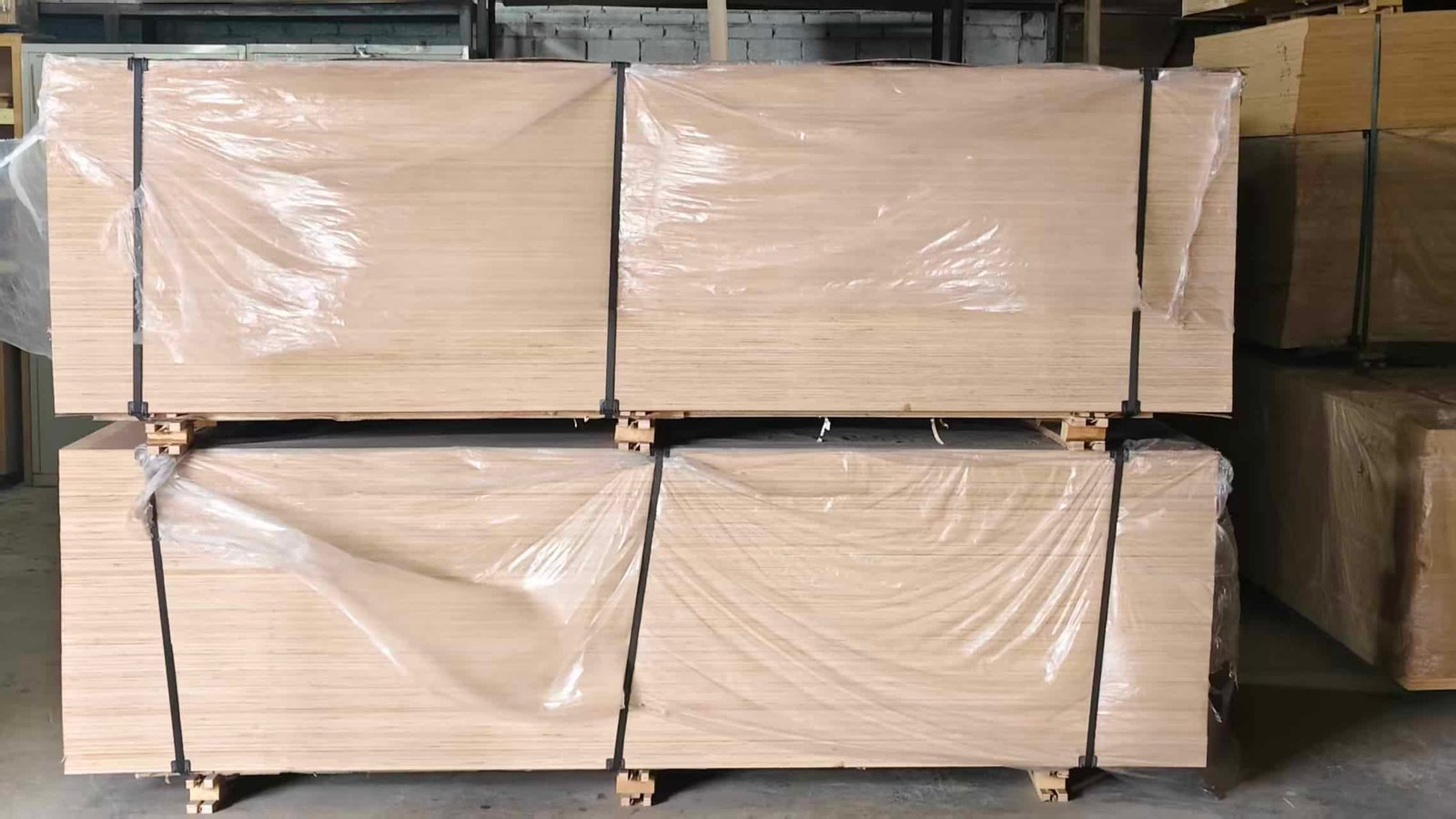
When it comes to hotel common area furniture, the materials you choose will decide whether your investment lasts 3 years or 10+ years. Public spaces take theheaviest beating — luggage bumps, daily cleaning chemicals, food spills, sunlight, and constant guest traffic. That means residential materials simply won’t survive. You need finishes and structures built for commercial life.
The strongest foundations start with solid wood frames for chairs and sofas. They handle weight and daily use far better than particleboard or MDF. For cabinets, wardrobes, and vanities, plywood with high-pressure laminate (HPL) is the sweet spot — it’s stable, moisture-resistant, and won’t warp or crumble. Pair that with high-density foam (35–45 kg/m³ for hotel use) to keep cushions from sagging after a few months. And don’t forget structural metals: powder-coated steel and 304/316 stainless steel are ideal for legs, bases, luggage racks, and frames that need long-term strength and corrosion resistance.
Smarter Upholstery Choices for Heavy Use
Upholstered pieces in lobbies and lounges see constant use — guests sitting, sliding luggage, food spills, and cleaning chemicals. That’s why commercial-grade fabrics are non-negotiable.
Here’s what to look for:
• Martindale rub count: ≥ 35,000–50,000 cycles for hotel public areas
• Stain-resistant treatments: e.g., Teflon, Nano-coatings, water-based protectants
• Easy-clean materials: performance fabrics, vinyl, eco-leather, or coated textiles
• Double rub durability: >100,000 cycles for high-traffic lounges or airport hotels
Good fabric saves you from reupholstery costs, guest complaints, and brand inconsistency.
Protective Details That Really Extend Lifespan
Small details often determine whether furniture lasts five years or fifteen.
Consider adding:
• Metal edge trims on coffee tables and luggage racks to prevent chipping
• ABS/PVC edging instead of raw exposed edges on cabinets
• Corner guards for high-traffic zones and bellman routes
• Scratch-resistant coatings on wood and veneer surfaces
• Moisture-proof layers under basins, around vanity cutouts, and near wet zones
These upgrades are inexpensive compared to the cost of replacing entire pieces.
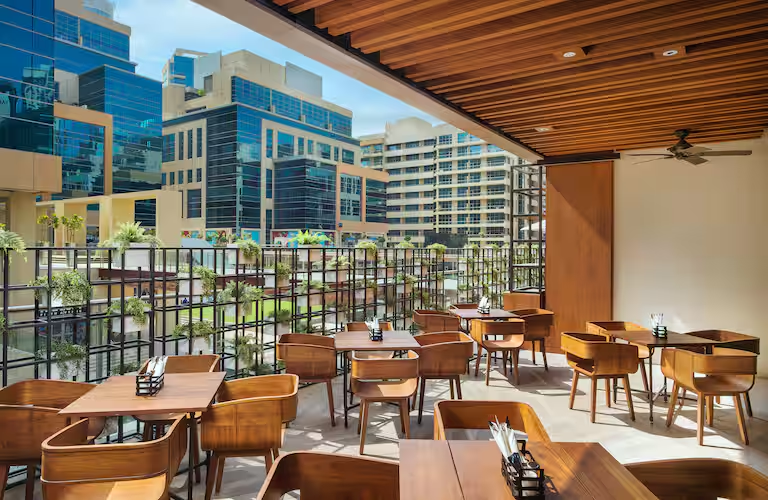
For Outdoor & Semi-Outdoor Areas: Build Like You’re Fighting the Weather
Outdoor furniture in hotels doesn’t just face guests — it battles heat, rain, humidity, dust, UV rays, and sometimes salt air. To avoid fading, cracking, and rust:• Use powder-coated aluminium or 304/316 stainless steel for frames
• Choose outdoor-grade fabrics with UV resistance (Sunbrella, Agora, Olefin)
• Specify quick-dry reticulated foam for cushions
• Add waterproof underlayers and mold-resistant linings
• Select synthetic rattan, not natural rattan, for outdoor lounges
• For tablets/tops, choose sintered stone, HPL compact board, or solid teak (for covered areas)
Outdoor spaces can look amazing, but only if the materials can survive year-round weather.
Design That Elevates Guest Experience
Great common-area design isn’t just about making things look pretty. It’s about shaping how a guest feels the moment they step into the lobby. A thoughtful layout helps people understand where to go, where to sit, and where to relax—without needing to ask anyone. When the furniture placement is intentional, the whole space feels more welcoming and effortless.
Ergonomics matter more than most people think. Seats that sit around 430–460 mm off the ground are comfortable for most adults, and a gentle backrest angle helps guests settle in naturally. Arm support makes it easier for older guests to stand up, and for everyone to feel more stable. When these small details are right, guests stay longer and feel more at ease.
Design is also a chance to express your hotel’s personality. You can blend the brand identity with local culture through materials, colors, and silhouettes—maybe it’s a timber species that’s common in the region, or a fabric pattern inspired by local craftsmanship. These touches help the space feel authentic rather than generic.
There are also a few mistakes worth avoiding. Awkward circulation paths make guests feel lost or squeezed. Oversized sofas that look good in renderings can overwhelm real rooms. And wobbly coffee tables? They instantly cheapen the experience and annoy guests who want to work or enjoy a drink.
Modular furniture is a smart option for many hotels today. With flexible pieces, you can quickly transform the lobby into a co-working corner in the morning, a lounge in the afternoon, and a social event space at night. It keeps the area dynamic and useful for all kinds of guests without major redesigns.
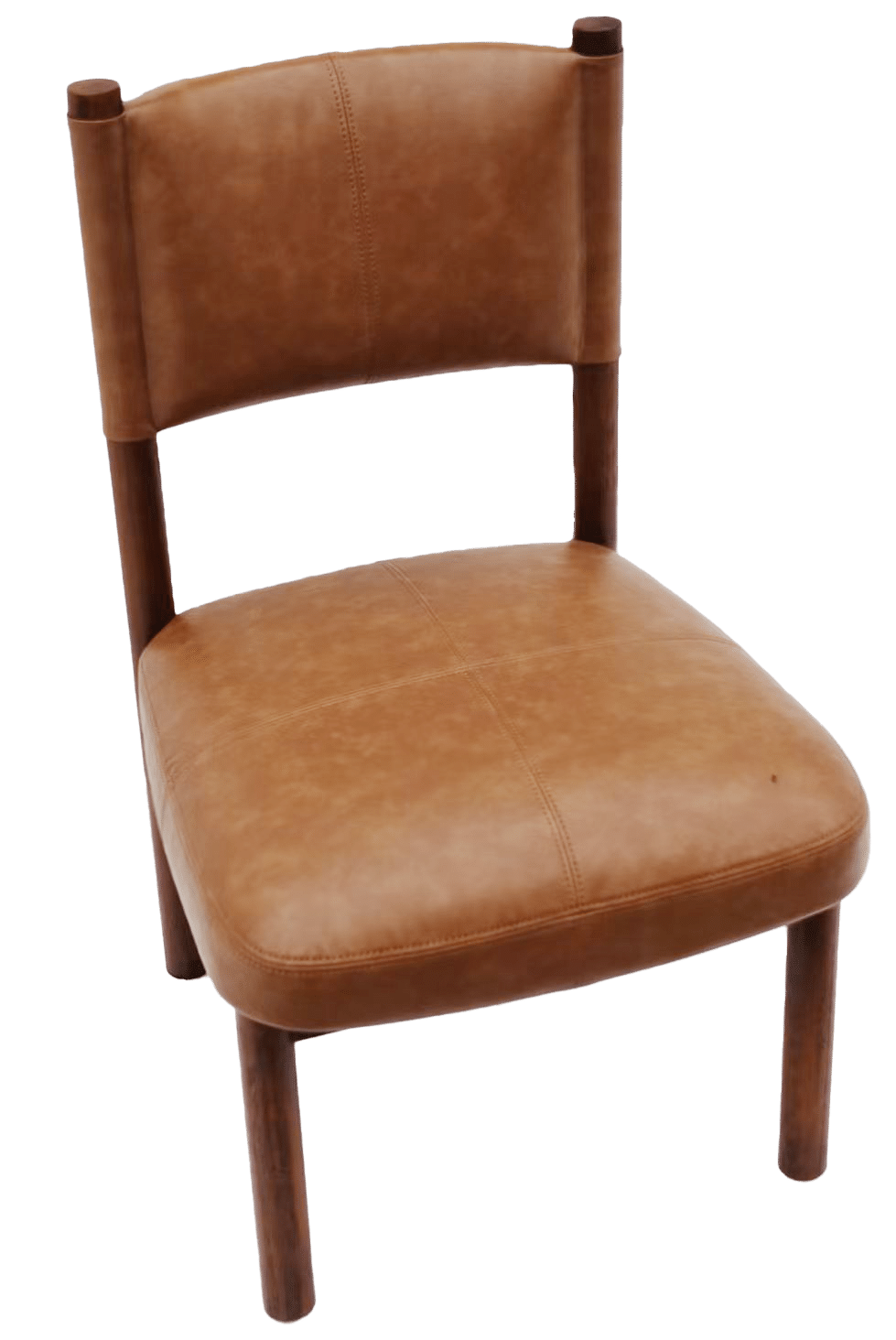
Safety, Compliance & Accessibility in Public Spaces
Safety in hotel common areas isn’t optional — it’s the foundation of guest trust. The right furniture protects people, reduces liability, and keeps your project in line with building codes across different regions. When you’re designing for lobbies, lounges, corridors, lift lobbies, or all-day dining areas, every material and measurement matters.
Start with fire-rated materials.
In high-traffic spaces, fabric must meet strict international fire standards — BS 7176 (UK), CAL 117 (US), and AS1530.3 (Australia/New Zealand). These certifications help ensure seat cushions, upholstery, and panels resist ignition and slow flame spread, which gives guests more time to evacuate safely. Skipping proper fire-rating is one of the fastest ways a hotel fails brand audits or local compliance checks.
Use anti-tip construction — always.
Console tables, bookshelves, and reception counters should be engineered with internal steel structures, wall anchoring, and balanced bases. Kids climb, guests lean on surfaces, and luggage gets dragged across everything. Anti-tip design prevents accidents, injuries, and costly public-area damage.
Choose surfaces that can take a beating.
Common areas see constant movement — luggage wheels, cleaning trolleys, high heels, trolleys, and food & beverage traffic. That means selecting materials with:
• Slip resistance (especially in lobbies, lift lobbies, and entrances)
• Impact resistance to handle bumps from suitcases
• Scratch-resistant finishes, like laminate, HPL, or sealed stone
These details keep the space looking fresh even after thousands of guest check-ins.
Don’t overlook accessibility.
To meet ADA (US) or DDA (EU/UK/AU) standards, ensure correct seat height, arm support, and clear floor space for wheelchair users. Reception counters often require a lower accessible section (760–865mm height), and pathways should allow easy turning radius for mobility devices. Inclusive design isn’t just compliance — it’s good hospitality.
Keep electrical features safe and discreet.
Today’s guests expect USB ports, universal sockets, wireless charging, and integrated lighting in public areas. These must be designed with proper heat dissipation, IP-rated components near water sources, and hidden cable routing. Safe electrical integration prevents fire hazards and reduces maintenance headaches.
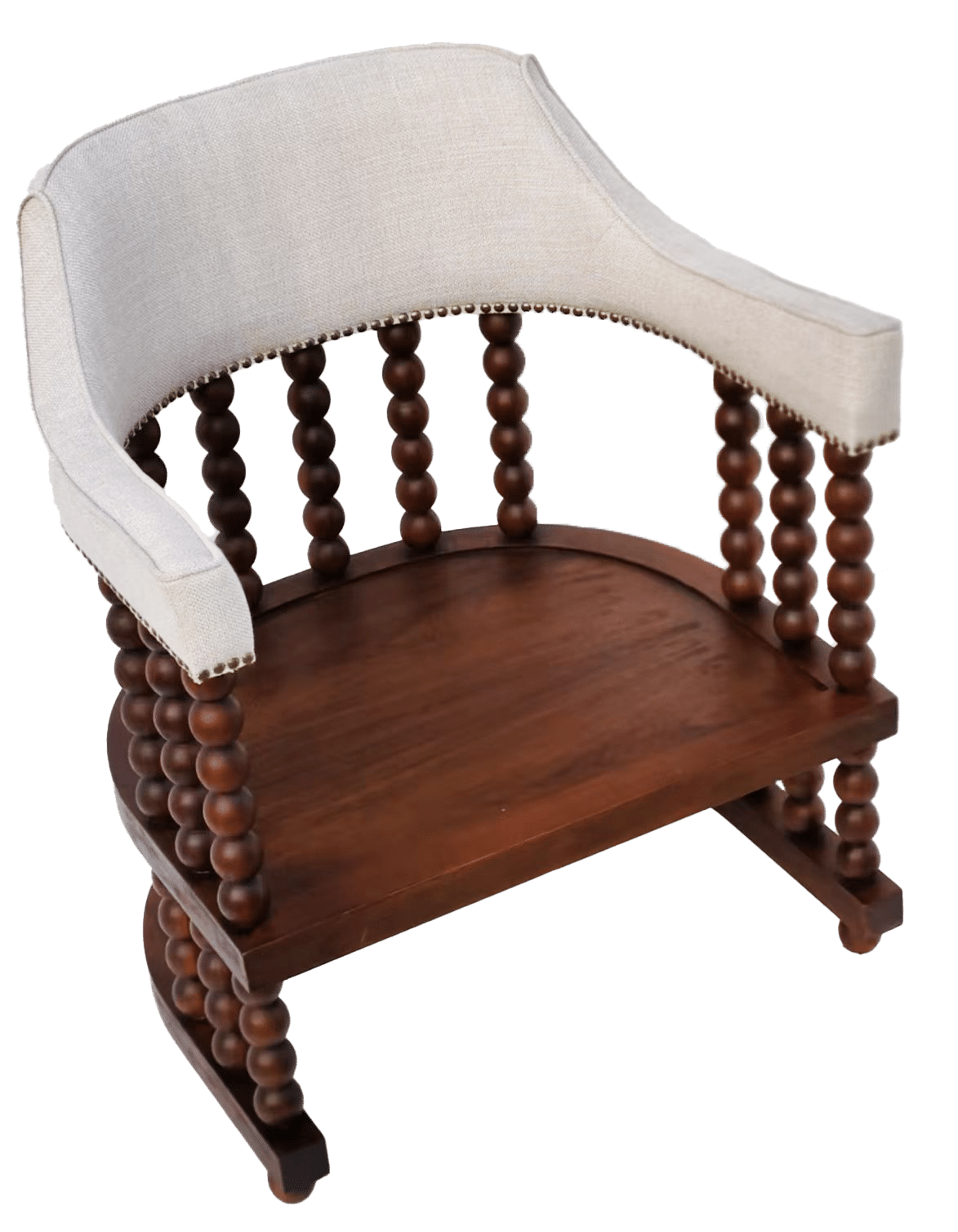
Hotel Bathroom Vanity Installation & Quality Checks
Before you install a hotel bathroom vanity, it helps to slow down and double-check the basics. Make sure your measurements are accurate, the walls can actually support the unit, and the plumbing lines up with the openings you’ve prepared. A few millimeters off in the beginning can turn into hours of rework later. This quick pre-installation check usually saves everyone a lot of stress.
Once the vanity is in place, start testing the moving parts. Open and close every drawer, press the soft-close runners, and swing the doors like a real guest would. If anything feels stiff, uneven, or noisy, fix it now—because guests will notice. Smooth movement is a small detail, but in a hotel, small details add up fast.
The countertop needs attention too. A slight slope toward the basin helps prevent water from pooling on the surface, which protects the finish and reduces housekeeping time. You can check this with a level or even by placing a small amount of water on the top and watching how it flows.
Sealing is another step people often rush through. Every joint—whether it’s between the wall and the vanity, around the basin, or along a stone top—needs proper waterproofing. A clean, continuous bead of sealant prevents moisture damage, swelling, and mold. It also gives the vanity a finished, hotel-grade look.
Your final QC pass is where everything comes together. Do a moisture test to make sure no water sneaks into exposed edges. Check the leveling again, because even a slight tilt can affect drainage or door alignment. And don’t forget a quick load-bearing test to confirm the hotel bathroom vanity can handle real-world use, including guests leaning on the countertop or placing heavy items inside.
A solid checklist now means fewer complaints and far less maintenance later.
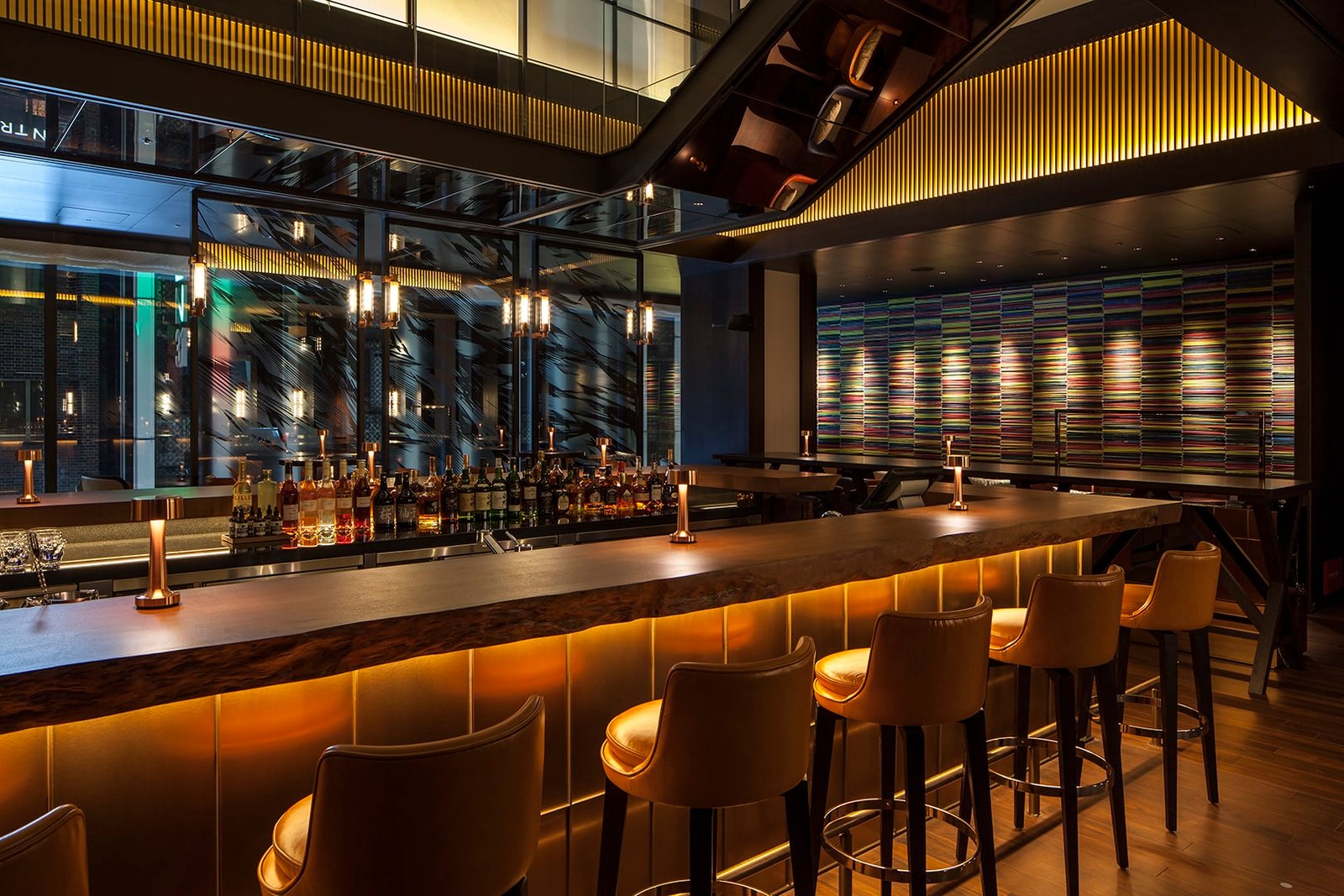
Cost, Budgeting & Value Engineering for Common Area Furniture
Balancing cost and design in common areas is always a bit of a juggling act. You want the space to feel impressive, but it also has to survive years of heavy traffic without constant repairs. The key is thinking in terms of long-term ROI instead of just the upfront price. A slightly higher cost today often means fewer headaches, fewer replacements, and a better guest experience down the track.
One of the easiest ways to manage budget is using smart material swaps. You can still achieve a premium look with veneer instead of solid timber, especially when it’s paired with good edge protection. High-pressure laminate (HPL) can replace painted MDF and last much longer in humid or high-touch areas. And if you need metal detailing, aluminium is usually a better long-term buy than mild steel because it doesn’t rust and needs far less maintenance.
Most cost blowouts don’t happen in the workshop—they happen on-site. Hidden budget killers include shipping damage, incorrect dimensions, and furniture that doesn’t align with site conditions. Weak joints or non-standard hardware can also create long-term repair costs that aren’t obvious during procurement. These issues often show up months after opening, right when your budget is already tight.
When comparing supplier quotations, make sure you’re looking at a true “apples-to-apples” comparison. Match the materials, match the specifications, and double-check the quantities. Two suppliers may look like they’re offering the same thing, but one might be using thin edging, low-density foam, or cheaper hardware. A clear specification sheet helps you avoid surprises and ensures the price difference reflects real value—not hidden compromises.
Here’s a real example. A hotel replaced its standard MDF panels with moisture-proof boards and added metal-protected edges on its lobby tables. It wasn’t a huge cost increase, but the impact was massive. Over the next two years, maintenance requests dropped by almost 40%, simply because the furniture could finally handle cleaning chemicals, suitcase bumps, and daily wear without breaking down. That’s what good value engineering looks like—small upgrades that pay for themselves many times over.
Practical Features Guests and Housekeepers Will Notice
Guests might not think about furniture specs, but they definitely feel the difference when things are designed well. Practical features make a space more comfortable, easier to use, and faster to clean. And for housekeeping teams, these little details can save hours of work every week.
Power and USB integration is one of the first things people look for in a lobby or lounge. No one wants to sit on the floor hunting for a wall socket. When charging ports are built into communal tables, side tables, or even sofas, guests can settle in comfortably — and they tend to stay longer.
Easy-to-clean upholstery also matters more than most people realize. Fabrics with stain-resistant coatings or performance finishes can handle spills, food crumbs, makeup marks, and constant cleaning chemicals. Housekeepers appreciate surfaces they can wipe down in one pass instead of scrubbing for minutes.
Space-saving features help keep public areas flexible. Nesting tables slide neatly together when not in use. Stackable chairs make it simple to clear space for events. Modular sofas let teams reconfigure layouts for busy weekends or quiet mornings without calling maintenance.
High-touch areas like tabletops, handrails, and reception counters benefit from anti-scratch and anti-fingerprint finishes. These coatings keep the space looking clean even on busy days, so staff don’t have to constantly polish everything.
And smart sensors or integrated lighting are becoming standard in modern hotels. Soft under-seat or under-table lighting can guide guests at night without being too bright. Motion sensors can help reduce electricity use and improve safety, especially in corridors and lift lobbies.
All these small features add up — making the space feel welcoming for guests and easier to manage for the people who run the hotel every day.

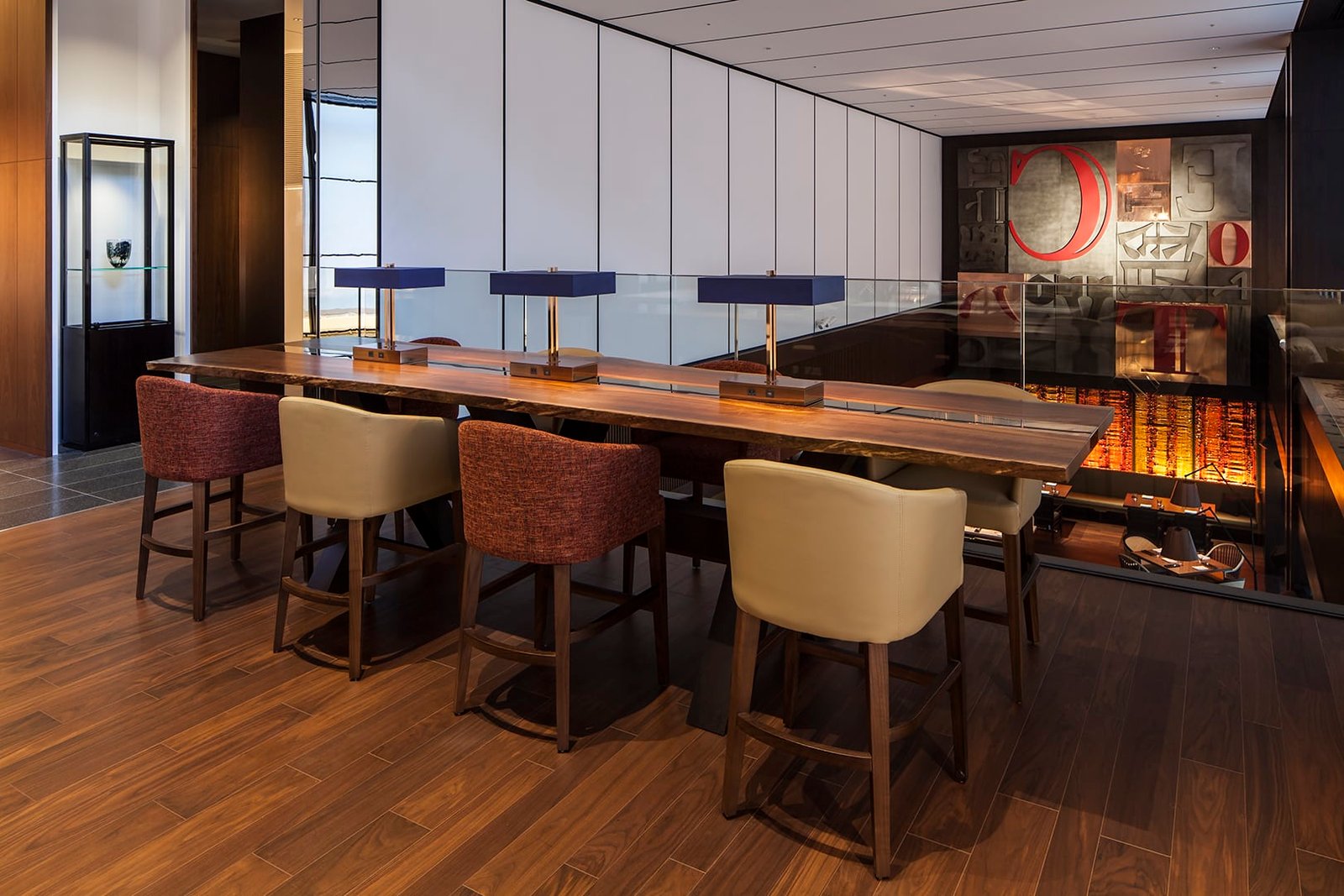
Conclusion
Common area furniture is more than décor—it’s a business decision that affects guest experience, operational efficiency, and brand perception. When you choose the right materials, construction, layout, and supplier, you’re not just furnishing a lobby… you’re increasing the lifetime value of your entire property.
If you’d like help designing or manufacturing high-quality common area furniture for hotels, I’m here to support you. Just tell me what project you’re working on.
FAQs
1. What is considered common area furniture in a hotel?
Common area furniture includes all furnishings placed in shared hotel spaces—lobbies, lounges, corridors, lift lobbies, meeting rooms, outdoor areas, and public restrooms. This includes sofas, armchairs, coffee tables, benches, console tables, ottomans, dining chairs, side tables, reception desks, and fixed joinery.
2. How do I choose durable common area furniture for high-traffic hotels?
Look for solid wood frames, plywood + HPL surfaces, high-density foam (35–45 kg/m³), stainless-steel or aluminium bases, and commercial-grade upholstery with high rub counts. These materials withstand daily guest use, cleaning chemicals, and luggage impact.
3. What materials should I avoid for hotel common area furniture?
Avoid MDF in public areas — it absorbs moisture, swells, and loses structural strength. Instead, use plywood, marine plywood, metal framing, or HPL for long-lasting performance.
4. What features make common area furniture more guest-friendly?
Smart layouts, ergonomic seating heights (430–460 mm), built-in USB/Type-C charging, modular sofa systems, soft-close drawers, and easy-clean fabrics all improve comfort and guest satisfaction.
5. How can hotels reduce maintenance costs for common area furniture?
Use protective features like metal edge trims, ABS/PVC edging, scratch-resistant coatings, and waterproof layers. Ensure accurate shop drawings, quality control at 30%/60%/90% production stages, and choose commercial-grade materials.
6. What are the best materials for outdoor common area furniture?
Powder-coated aluminium, 304/316 stainless steel, synthetic rattan, teak (for covered areas), quick-dry foam, and UV-resistant outdoor fabrics like Sunbrella or Olefin.
7. Why is common area furniture important for hotel branding?
It shapes the first impression within seconds. High-quality, well-designed common area furniture communicates professionalism, comfort, and brand identity—directly influencing guest satisfaction and repeat business.
Know more
Our Portfolios
Trust and Worth
Our Clients









Get In Touch for Your Cost-Effective Customized FF&E & Joinery Needs
We’d love to hear about your project. Whether you need custom FF&E solutions or joinery services, we’re here to help.