A hotel project can move fast — until the decoration stage slows everything to a crawl. Delays, inconsistent finishes, and miscommunication with overseas suppliers are the biggest reasons hotel openings get pushed back.
This guide walks you through how to evaluate and choose the right china hotel decoration supplier, based on real experience working on global hotel projects. Whether you’re a developer, procurement manager, designer, or owner, you’ll learn what truly matters during sourcing.
What a China Hotel Decoration Supplier Actually Does
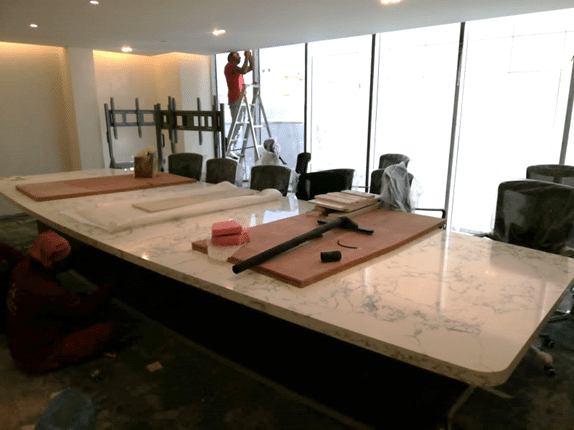
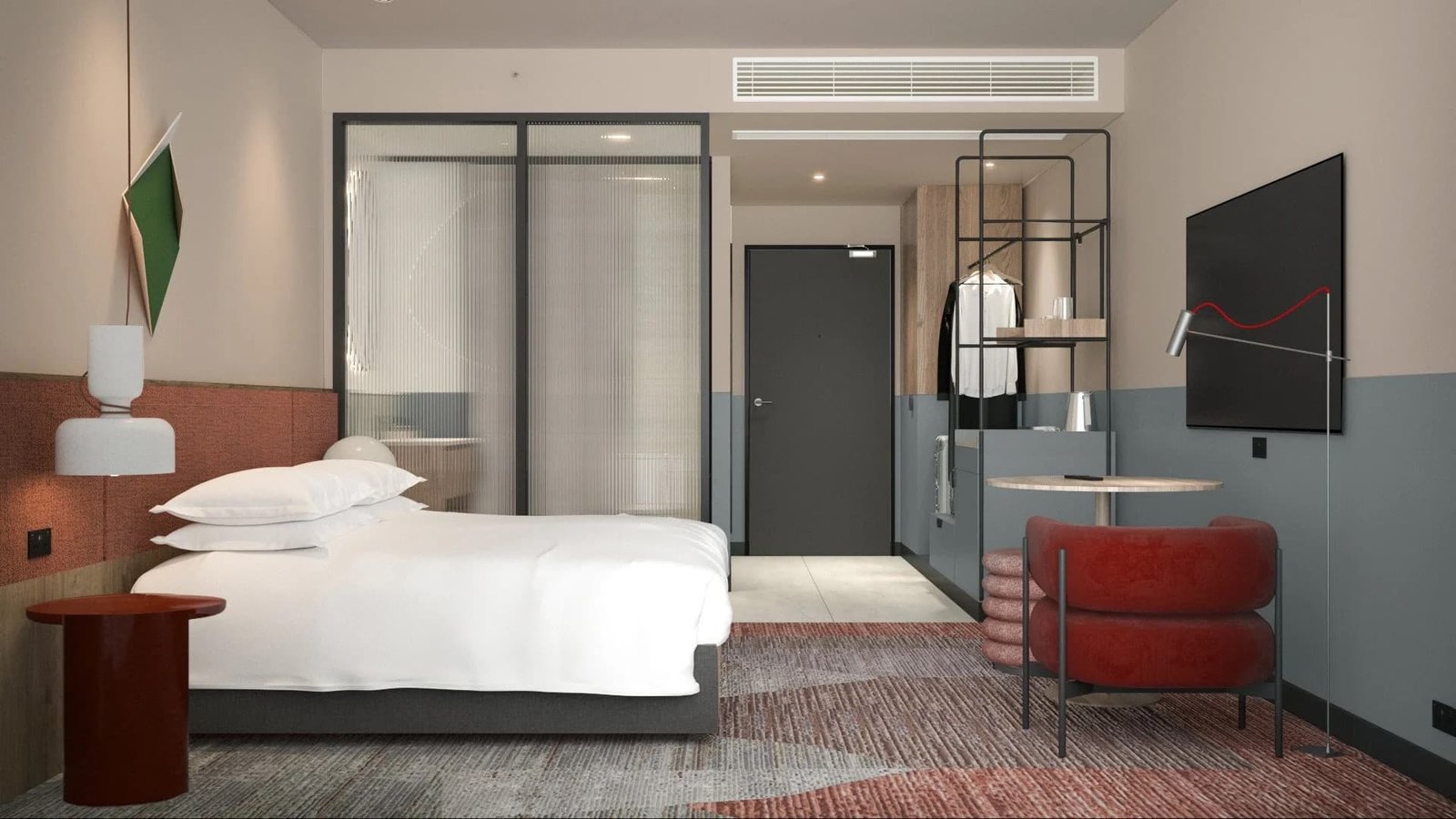
A china hotel decoration supplier usually handles far more than people expect. It’s not just “furniture.” A real supplier covers almost everything you see inside a hotel room or public area — loose furniture, fixed joinery, wall panels, lighting, artwork, carpets, and even mirrors. If it contributes to the look, feel, or function of the space, they’re involved in making sure it fits both the design and the budget.
It also helps to understand the different players. A supplier coordinates and delivers the full package. A manufacturer focuses on producing items inside their own factory. A contractor installs and builds on-site. A trading company buys from various factories but usually doesn’t produce anything themselves. Knowing who does what prevents a lot of confusion — and a lot of wasted time during your project.
There are moments when choosing a one-stop supplier simply makes more sense. If your project has a tight deadline, many custom items, or a complex design language, working with multiple vendors increases the risk of mismatched colors, inconsistent finishes, and delayed deliveries. A single integrated supplier can control quality from start to finish and keep everything aligned.
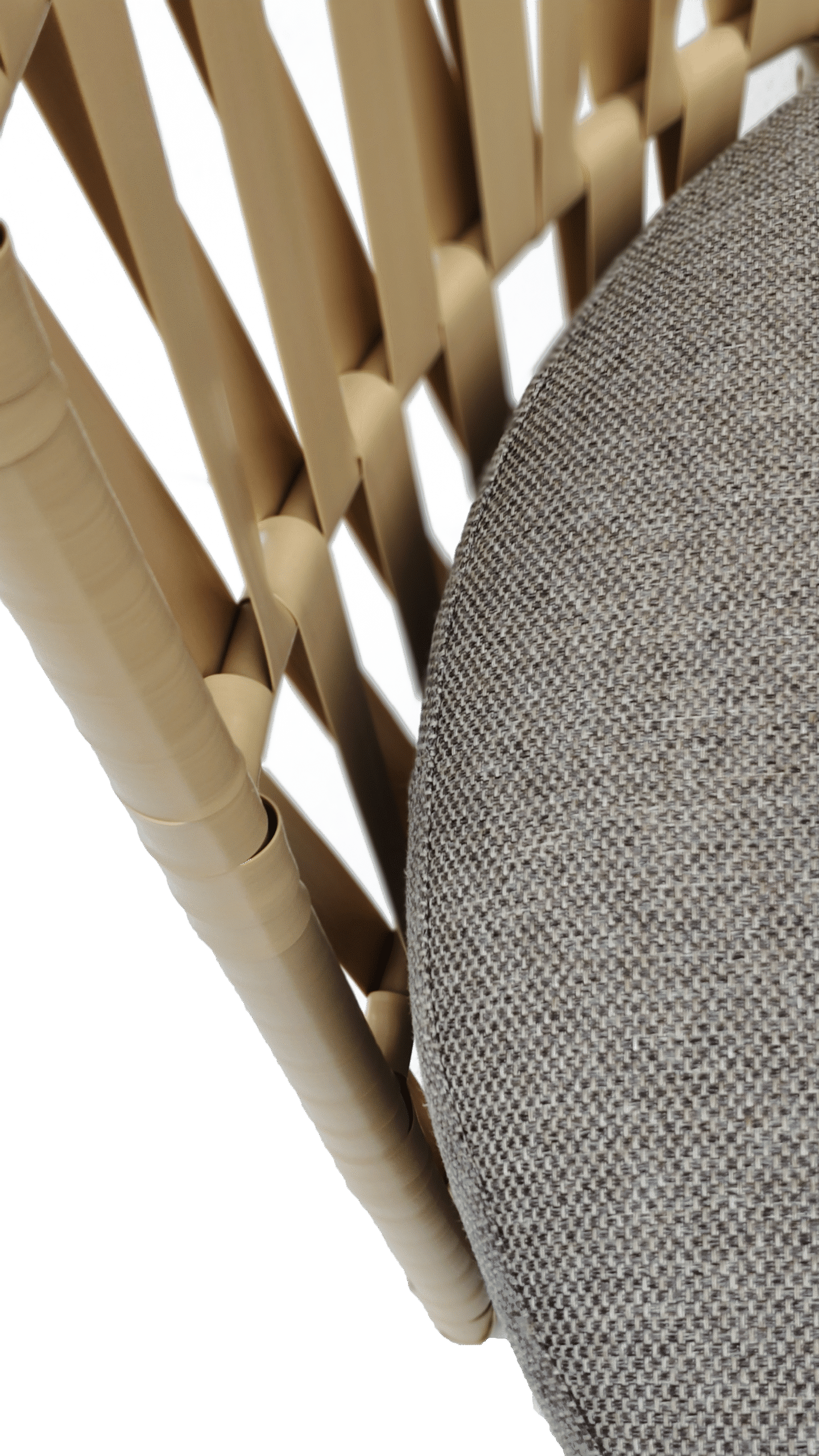
Integrated production is one of the biggest advantages in China. When woodwork, metalwork, upholstery, painting, and lighting are made under one umbrella, the coordination becomes smoother. You’re not trying to match veneers from one factory with powder-coating from another. Everything moves through the same workflow, which means fewer surprises during installation.
And then there’s the hidden value — things most clients don’t think about at first. A good supplier provides shop drawings, value-engineering (VE) options, sample boards, and mock-up approvals. They also guide the installation team with clear details, fixing methods, and onsite coordination notes. These “invisible” services often determine whether your hotel opens smoothly or ends up fighting with last-minute problems.
Key Factors to Evaluate Before Choosing a Supplier
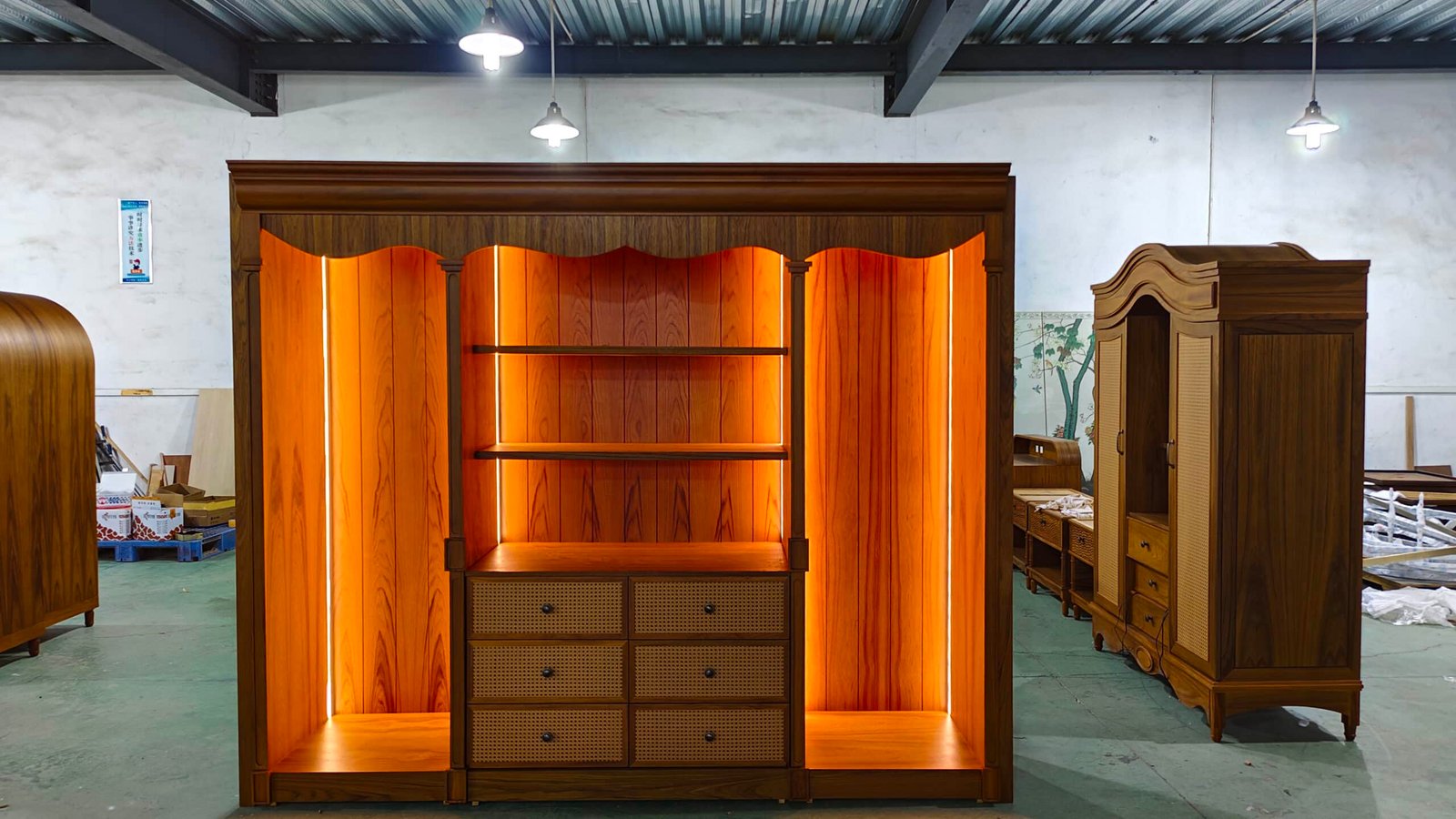
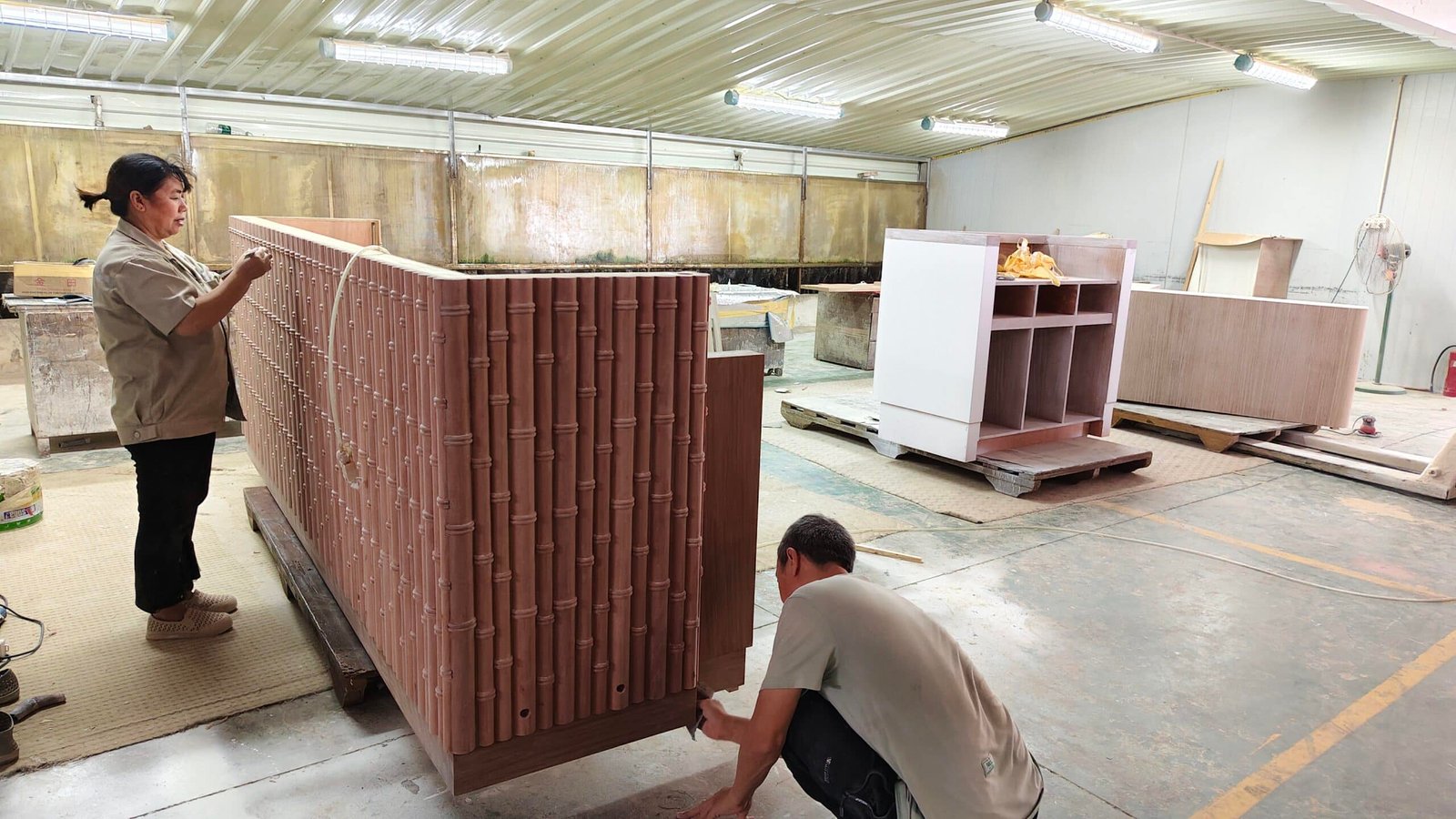
Before you choose any china hotel decoration supplier, it helps to understand what they can actually make in-house. A strong hotel furniture supplier usually has its own CNC cutting, veneer pressing, upholstery, metalwork, painting, and even lighting assembly. When all these processes sit under one roof, you get fewer delays, fewer mistakes, and a much smoother approval process.
Materials matter too. Ask what standards they follow, not just what they “can” source. For hotel projects, E0-grade plywood, FSC timber, CRIB5 foam, and UL/CE-certified lighting shouldn’t be optional. These materials don’t just protect your project — they protect your brand.
Quality control is another point that tells you exactly how reliable a supplier is. A clear workflow usually goes like this: mock-up room → 30% QC → 60% QC → 90% QC → final pre-shipment check. If a supplier can’t show you this structure, it’s a red flag.
Always check past hotel references. Reputable factories can show real projects for brands like Accor, Marriott, Hilton, IHG, and Hyatt. If a supplier says they’ve done “many hotels” but can’t show photos or contactable references, be careful.
Finally, watch out for the common pitfalls: subcontracting without telling you, samples that don’t match mass production, and color variations that show up after installation. These issues usually come from factories that lack proper control. A reliable supplier will be transparent, structured, and proud to show you how they work.
Pricing and Value Engineering (VE) for Hotel Decoration
When you evaluate pricing from a china hotel decoration supplier, understand that the smartest suppliers don’t just “cut cost.” They reduce cost without hurting the core quality of the furniture. That usually means adjusting materials, tweaking the internal structure, or simplifying the production process in ways guests will never notice. Good VE feels invisible — the room still looks the same, just at a more efficient cost level.
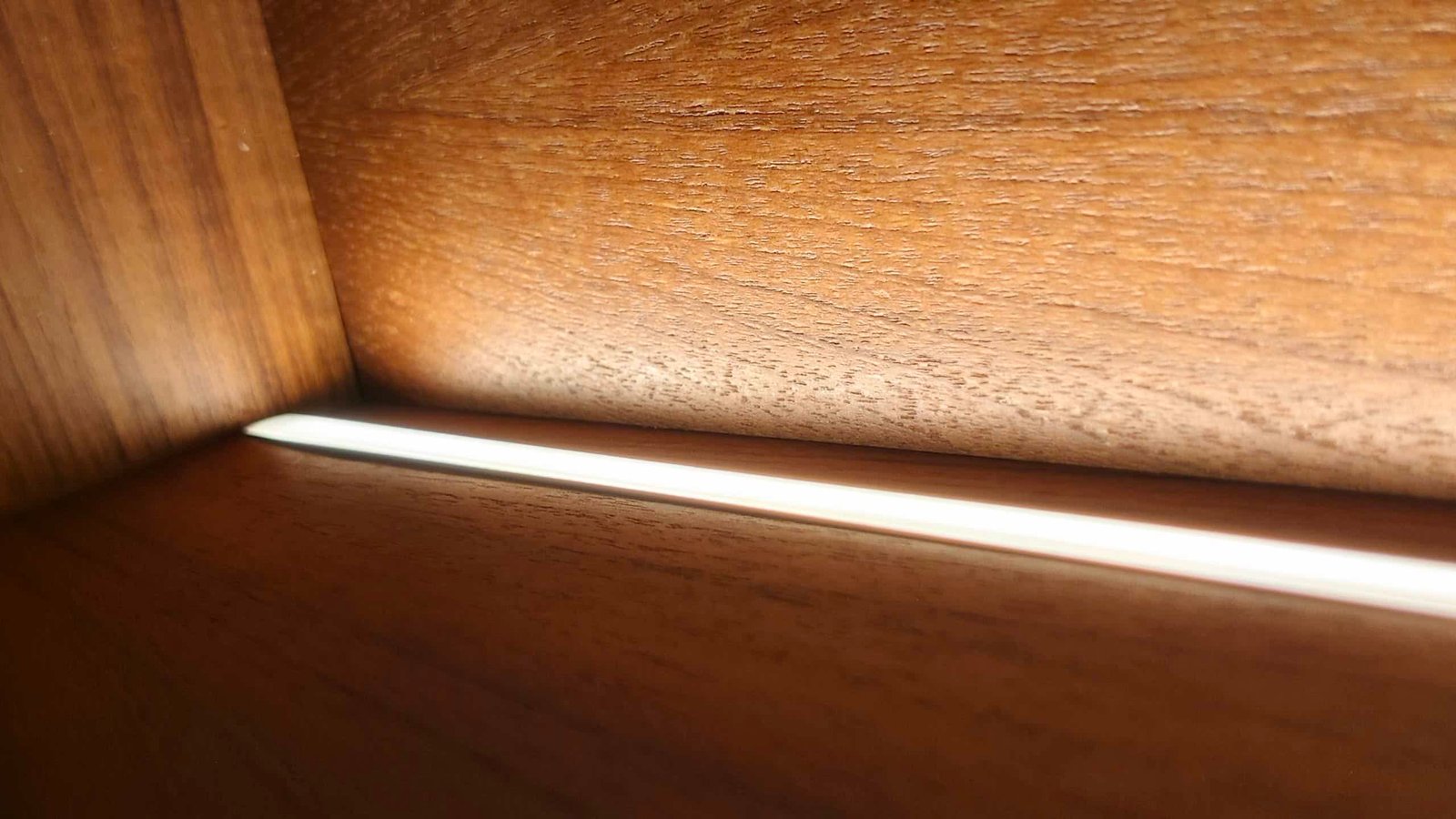
One of the easiest VE strategies is changing veneer species. For example, swapping American walnut to engineered oak veneer keeps the look consistent while reducing material waste and cost. Another strategy is adjusting metal thickness. Sometimes 1.2 mm instead of 1.5 mm is more than enough, especially for decorative trims. And on the joinery side, a supplier might simplify a hidden internal structure without affecting stability.
But there are things developers should never cut just to save money. Hinges and drawer slides are a big one — cheap hardware fails early and gives you complaints within months. Core panels matter too; low-density boards warp quickly. And foam density directly affects guest comfort and longevity. Saving a few dollars on these items usually turns into thousands in replacement or warranty issues later.
When you’re comparing quotes, make sure you’re comparing the same scope, not just the final number. A complete quotation should include packing standards, installation drawings, accessories, lighting components, hardware brands, and material specifications. If one quote looks too cheap, it often means something important — maybe packaging, finish coats, or internal timber — is missing.
Cheap quotations come with red flags. If the supplier only gives a one-line description, avoids showing materials, or refuses to break down the structure, that’s a problem. Another warning sign is when the price drops drastically without explaining how quality will be protected. Transparent VE saves you money. Hidden shortcuts cost you far more later.
Quality Control & On-Site Support You Should Expect
Good suppliers don’t just build furniture — they manage every step so you know exactly what’s happening and what quality you’ll receive. A smooth QC and installation process saves you from delays, rework, and unhappy guests later. Here’s what you should expect if you’re working with a professional china hotel decoration supplier.
Shop Drawings Checking Process and Coordination With Designers
Before anything goes into production, the shop drawings need to be crystal clear. This is where the factory and the designer sit on the same page. A good supplier will check every measurement, material choice, and detail, then raise questions early so nothing becomes a problem later.
You should expect direct coordination with the designer — not just sending PDFs back and forth. A reliable factory will mark up drawings, provide alternative solutions when something won’t work on-site, and confirm everything with you before they cut a single panel. When drawings are done properly, 80% of future problems disappear.
Mock-Up Room Testing: What to Check Before Bulk Production
Mock-ups are your safety net. This is the moment where you can touch the furniture, open the drawers, check the lighting, and make sure the proportions feel right in the actual space.
A smart approach is to go through a checklist: • Are the materials exactly the same as the approved samples? • Do the drawers, hinges, and slides operate smoothly? • Are the veneer colours consistent under different lighting? • Does the furniture fit perfectly with the site conditions? • Are all safety standards met (edge radius, flame-retardant foam, etc.)?
Only after the mock-up is approved should the factory start mass production.
Packing Standards for Overseas Shipping
Packing matters just as much as production quality. The best furniture still arrives damaged if it isn’t packed well. A professional supplier will use:
EPE foam
Corner guards
Moisture-proof bags
Strong export cartons
Wooden crates for fragile items (marble, mirrors, lacquer panels)
Good packing reduces site chaos by 50%.
On-Site Installation Support
Once the goods arrive, you shouldn’t be left alone figuring out how everything fits together. A proper supplier provides:
Installation drawings
Short videos
Step-by-step guides
Optional onsite supervisor support
When installation support is done well, the handover goes smoothly.
Documentation You Should Receive
A responsible supplier prepares all export documents for you, including:
Certificate of Origin
CIQ (if required)
Fumigation certificates
HS codes
Detailed packing list
Room-by-room labels
Good documentation prevents customs delays and protects your project timeline.
How to Communicate and Manage a China Supplier Successfully
Working with a China supplier becomes easier when everyone is aligned on timelines, deliverables, and communication habits.
Golden rules:
Approve samples quickly
Confirm materials early
Use weekly production reports
Clarify units and tolerances
Review shop drawings carefully
Request container loading plans
These small actions prevent misunderstandings, delays, and costly rework.
Conclusion
The right china hotel decoration supplier does more than produce furniture — they reduce your project risks, control your budget, and keep your opening date on track. Focus on capabilities, past references, QC systems, and communication habits. When those align, your hotel development becomes smoother, faster, and far more predictable.
If you need professional guidance or sample project plans, feel free to reach out.
FAQs
1. What does a China hotel decoration supplier provide?
They supply loose furniture, joinery, wall panels, lighting, carpets, artwork, mirrors, and complete FF&E support including drawings, VE options, QC checks, and installation guidance.
2. How do I evaluate a reliable China hotel decoration supplier?
Check production capabilities, material standards, QC workflow, brand references, and transparency. ISO certifications and mock-ups are strong indicators.
3. What QC stages should I expect from a supplier in China?