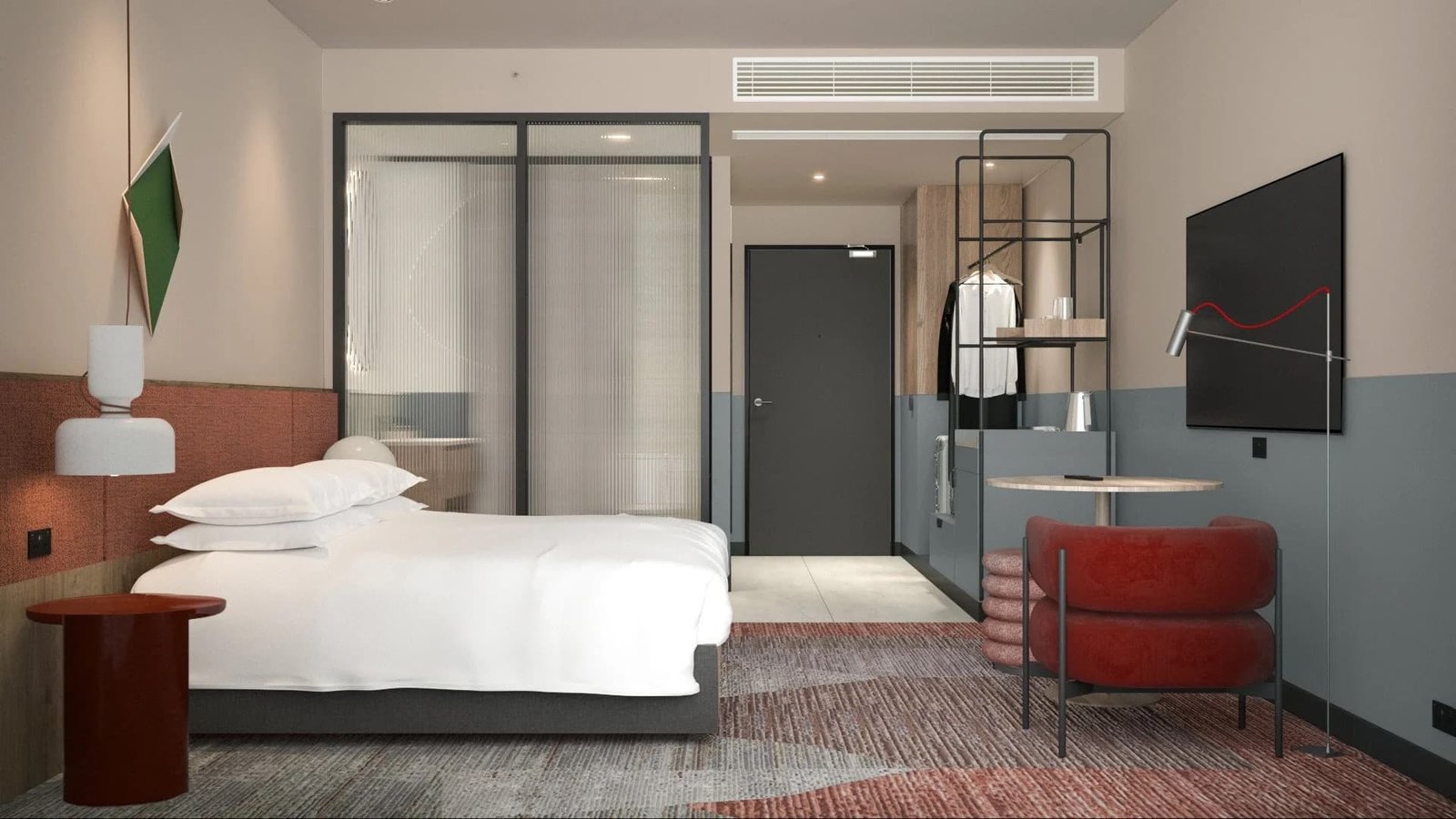
Buying hotel furniture isn’t just checking items off a procurement list — it can shape guest experience, brand perception, and long-term maintenance costs. One wrong purchase, and you’re stuck with wobbly tables, peeling veneer, or beds that don’t survive one renovation cycle. This guide shows you how to buy hotel furniture the smart way, with clear steps, red flags to avoid, and tips hotel developers actually use in real projects.
What to Check Before You Buy Hotel Furniture?
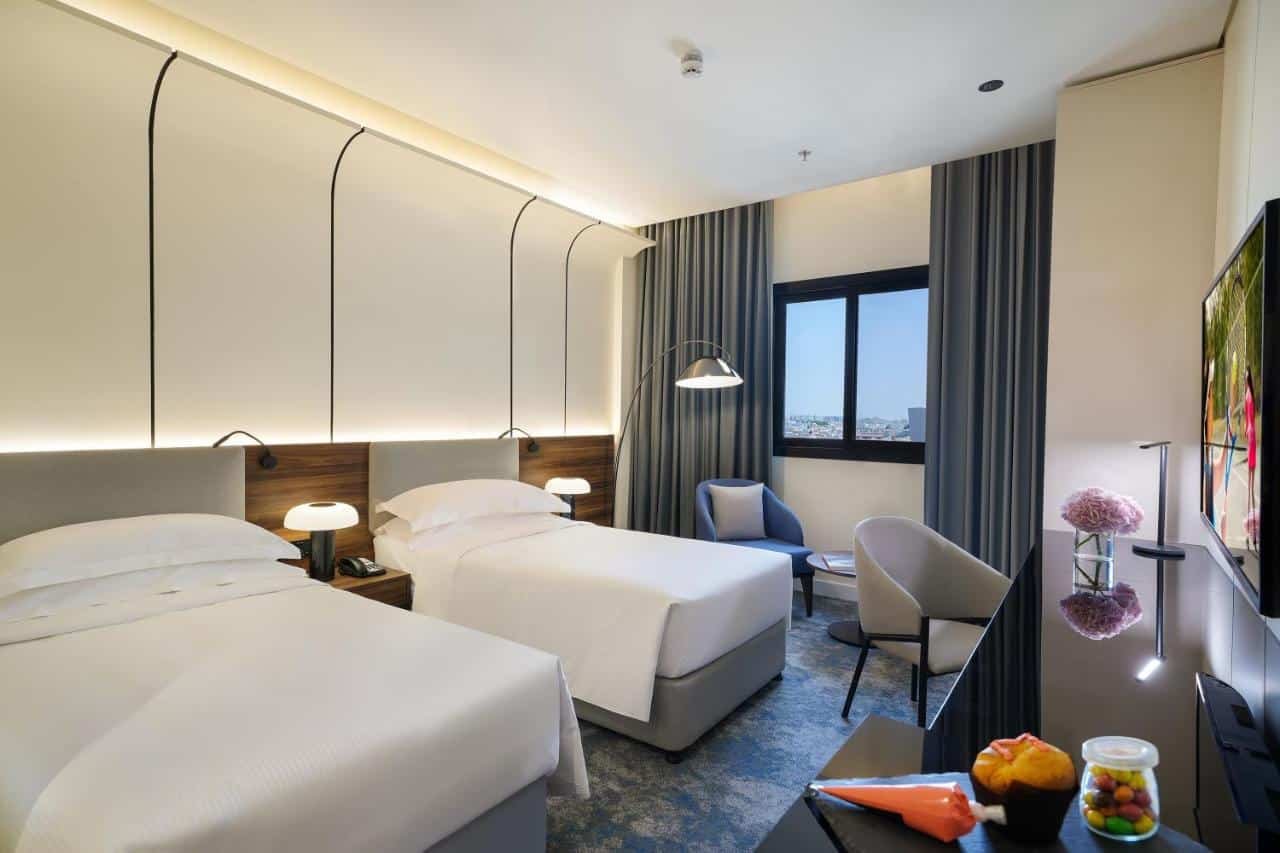
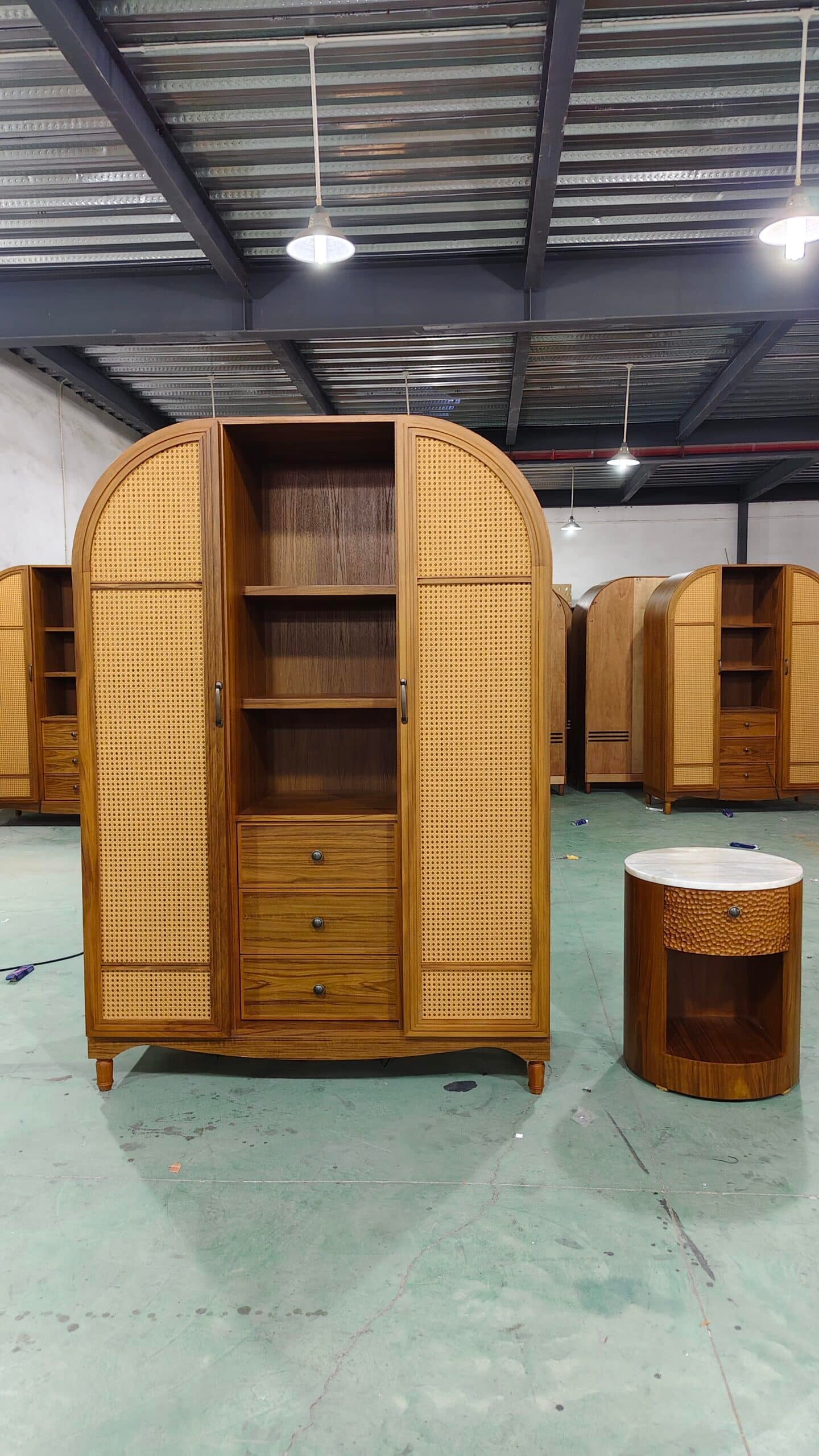
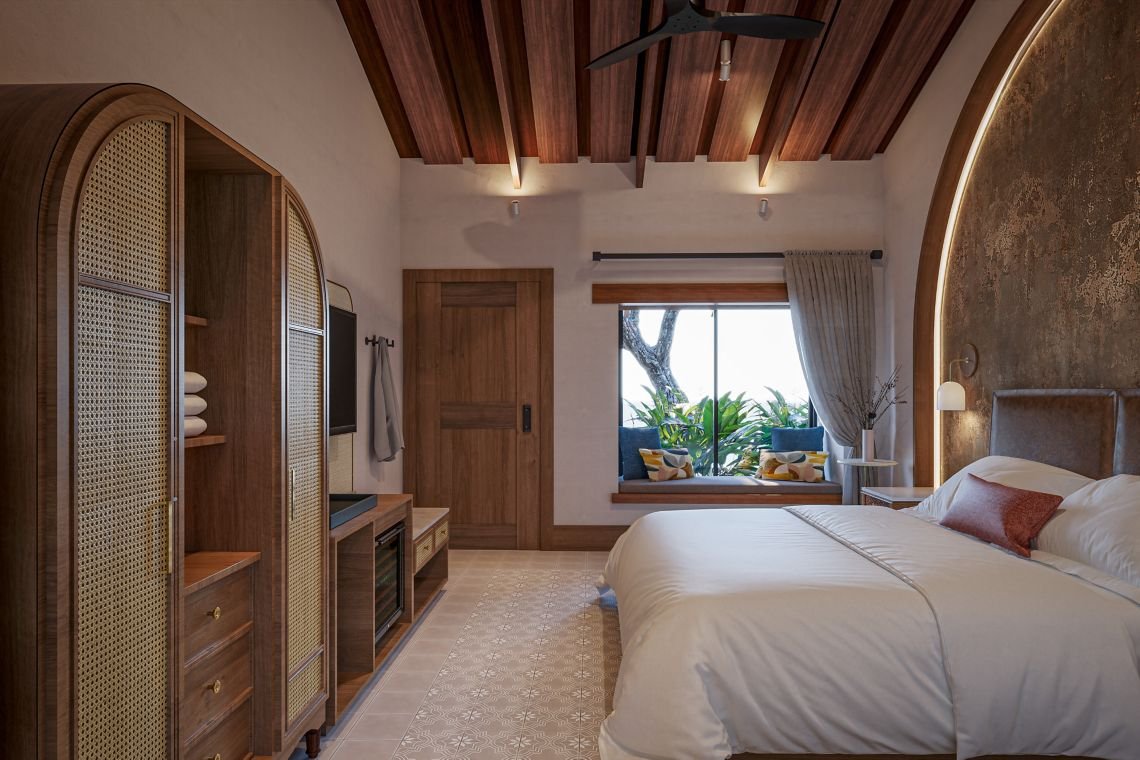
Before you buy hotel furniture, you want to be crystal clear on what’s actually included in your room scope. This usually covers beds, casegoods, seating, lighting, and any built-in joinery. When you know exactly what pieces you need, you avoid gaps, last-minute changes, and messy budget surprises.
You also need to double-check the brand standards or design guidelines your hotel must follow. These documents usually dictate materials, colors, sizing, fire ratings, and even the look of the bedhead. Following them from the start saves you from rework and keeps the project aligned with the brand’s identity.
Space planning matters just as much as the furniture itself. Review your room layout, the circulation flow, and required clearances so housekeeping can move easily and guests don’t bump into corners. A few millimeters off on a wardrobe or desk can cause real headaches on site.
Materials should be chosen for heavy commercial use, not residential use. Avoid MDF in humid zones, pick moisture-resistant substrates, and use durable fabrics and hardware. Furniture in hotels is used all day, every day—so durability pays for itself.
Finally, make sure every piece meets the required fire-rating and safety standards for your region, whether that’s CAL 117, BS 7176, or AS/NZS standards. This isn’t optional; it’s part of keeping guests safe and ensuring your project passes inspection without delays.
How to Compare Hotel Furniture Suppliers (Quality, Capacity, Reliability)
When you’re comparing hotel furniture suppliers, start by checking whether they truly specialize in hospitality-grade work. Residential furniture might look nice in photos, but it isn’t built for the wear-and-tear of a hotel room. You want a supplier who understands commercial durability, fire ratings, and the realities of housekeeping use.
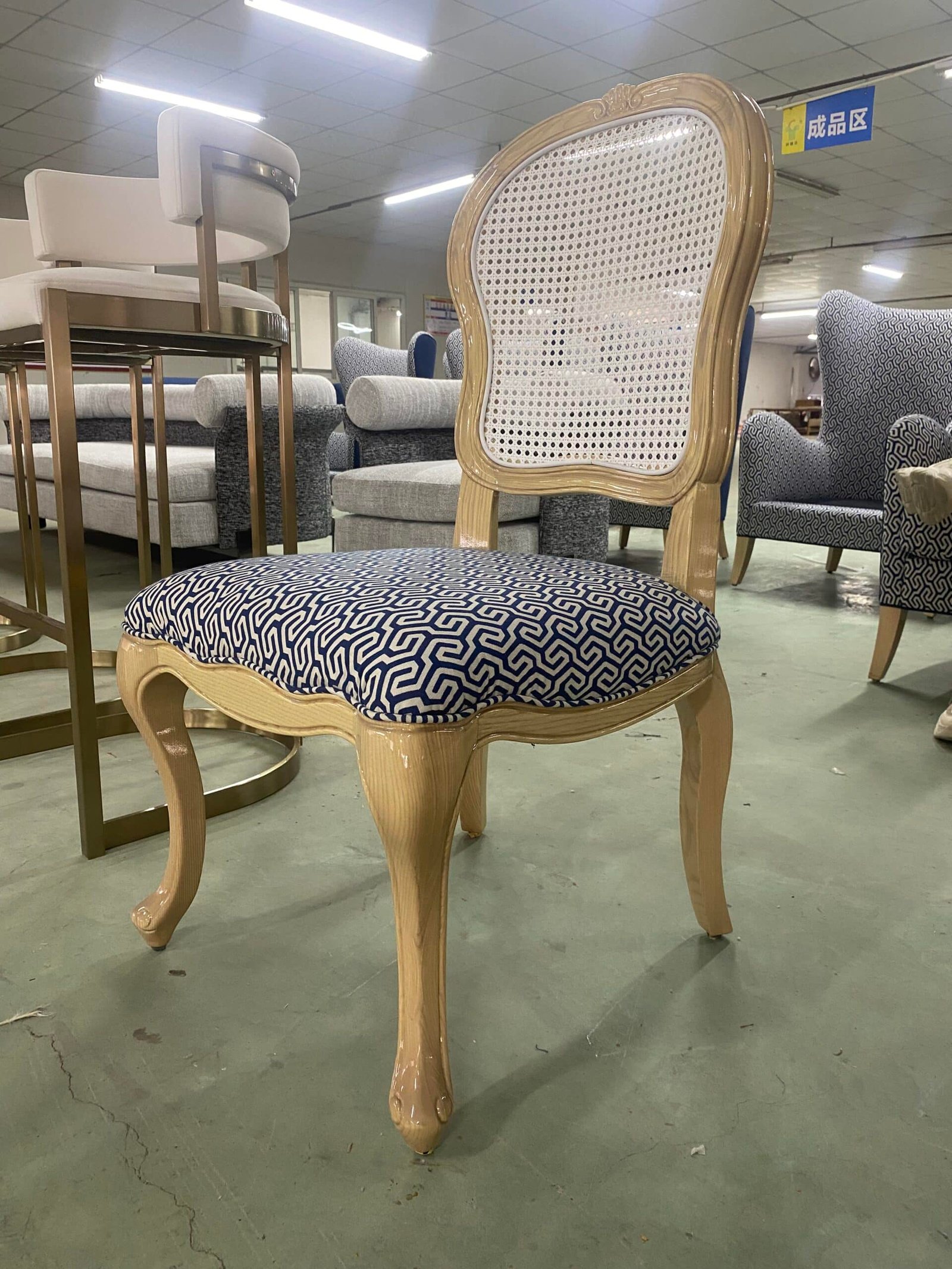
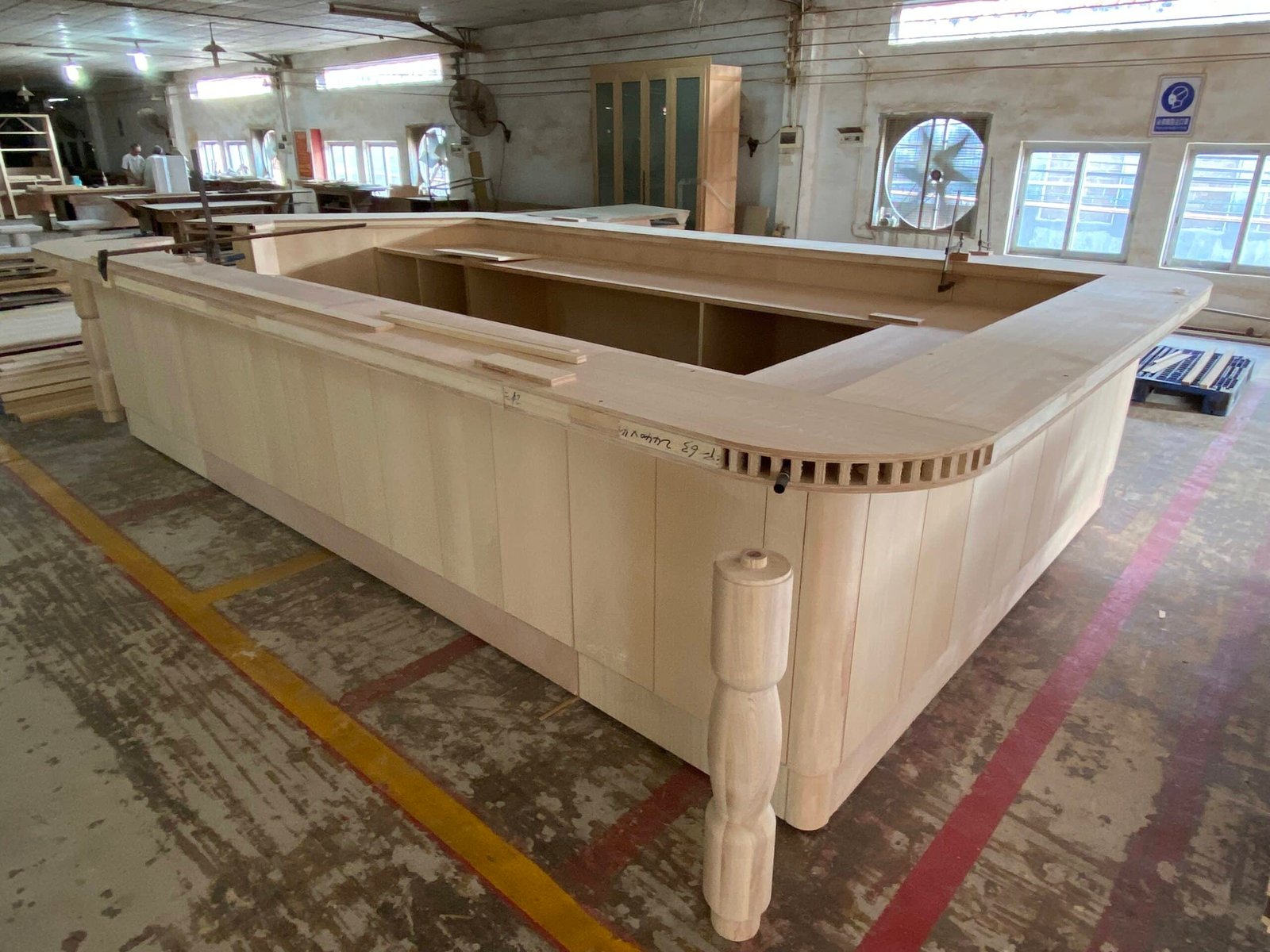
Next, look at their in-house capabilities. A solid supplier usually has its own joinery team, upholstery workshop, metal fabrication area, and finishing line. When these skills are under one roof, you get better consistency, faster problem-solving, and fewer delays during production. If everything is outsourced, the quality becomes a gamble.
Always ask for past hotel projects—ideally 100 rooms or more. Large projects prove they can handle volume, repeat quality, and strict timelines. Request photos, drawings, and even contact references if needed. Real hospitality experience matters more than a pretty showroom.
Documentation is a big clue to reliability. A good hotel furniture supplier provides clear shop drawings, QC checklists, packaging details, and sample approval steps. These documents show they follow a real process, not guesswork. If their paperwork is messy, production usually is too.
Watch out for red flags. If they outsource everything, lack certifications, or their samples vary in quality, that’s your signal to walk away. In hotel furniture, inconsistency is expensive—and avoidable when you choose the right partner.
Pricing, Budgeting & How to Avoid Hidden Costs
When you’re comparing quotes, make sure you’re looking at the same materials, finishes, and quantities. Two suppliers can list “oak veneer,” but one might be using a thicker plywood core while the other uses MDF. Those small differences change durability, cost, and long-term performance. Keeping everything “apples to apples” is the only way to see who’s actually giving you value.
Hidden costs usually show up where people least expect them. Weak packaging can lead to dents, scratches, or cracked panels before the furniture even reaches the site. Incorrect dimensions can cause on-site rework, which is one of the biggest budget killers in hotel projects. And poor-quality hardware—hinges, runners, fixings—can fail quickly, adding maintenance costs for years.
It also helps to think in terms of lifecycle value, not just the upfront price. A piece that lasts five years instead of two isn’t just “better”—it saves you from downtime, guest complaints, and early replacement. That’s the difference between spending wisely and spending twice.
For bulk orders of 50–500 rooms, cost per room is usually more useful than looking at the entire project total. It gives you a clearer picture of what you’re paying for each room type, especially when you have multiple room categories. And once you hit larger volumes, suppliers often have room to optimize production, meaning cost-per-room usually comes down.
Value engineering can help—when done correctly. Swapping a solid wood panel for a high-quality plywood or HPL finish can cut costs without hurting performance. But cutting the wrong things, like frame strength or hardware quality, always shows up later as noise issues, wobbling joints, or early failures. VE should reduce cost, not ruin durability.
Material & Build Quality: What Actually Matters
When you’re choosing hotel furniture, the material and build quality decide whether it lasts five years—or fifteen. It’s not about picking the “premium” option. It’s about choosing the right material for the right environment so the furniture can survive luggage impacts, spills, humidity, and daily guest use. A few smart decisions here save you a lot of repairs later.
Timber is a good place to start. Plywood is usually the safest choice for hotel projects because it’s strong, stable, and handles moisture better than most materials. Solid wood looks great but can warp in humid climates and is harder to maintain. MDF, on the other hand, is the one you need to be careful with—especially in places like bathrooms or coastal hotels. It swells when exposed to moisture and loses strength quickly, which leads to peeling, cracks, and costly replacements.
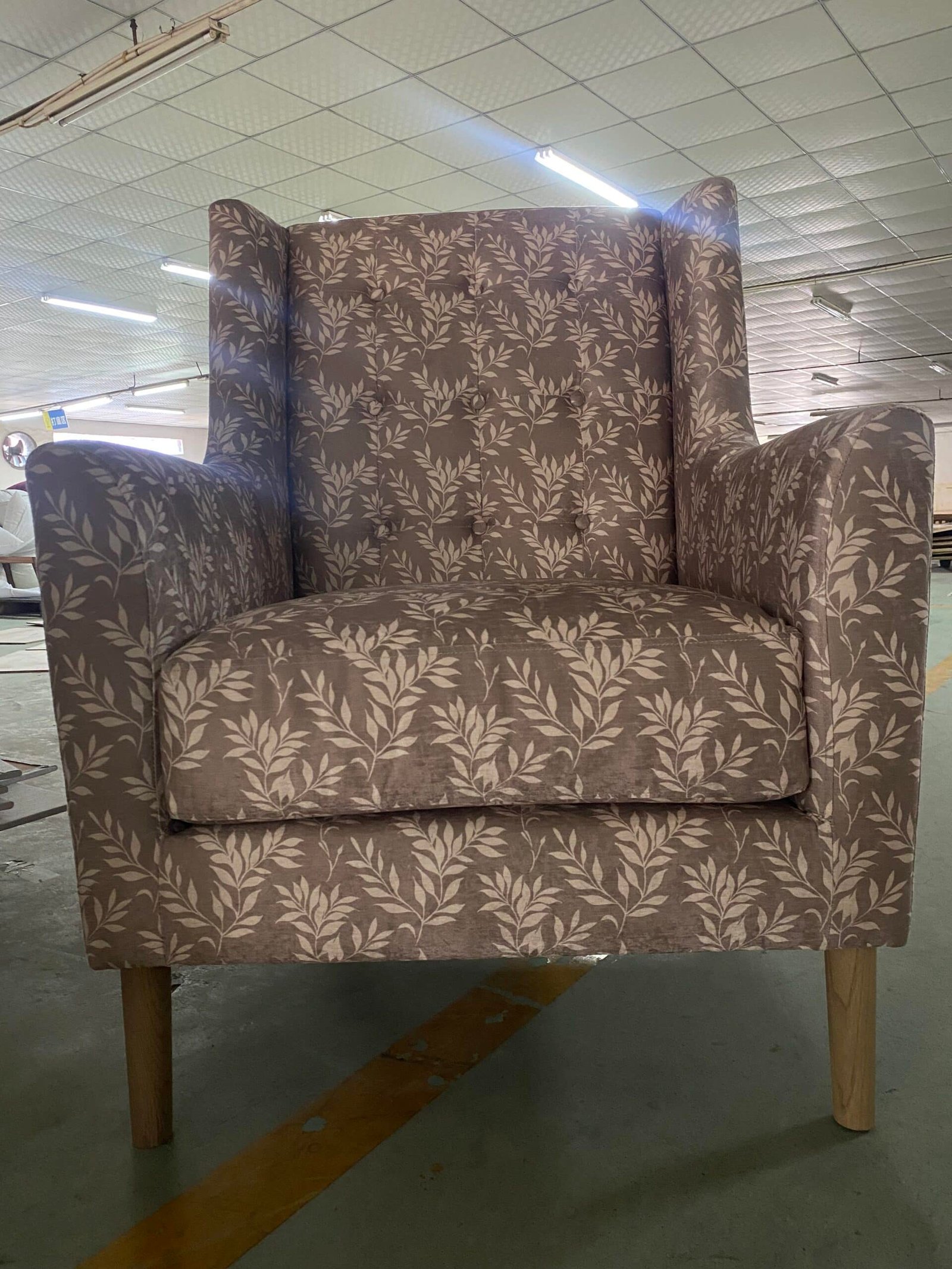
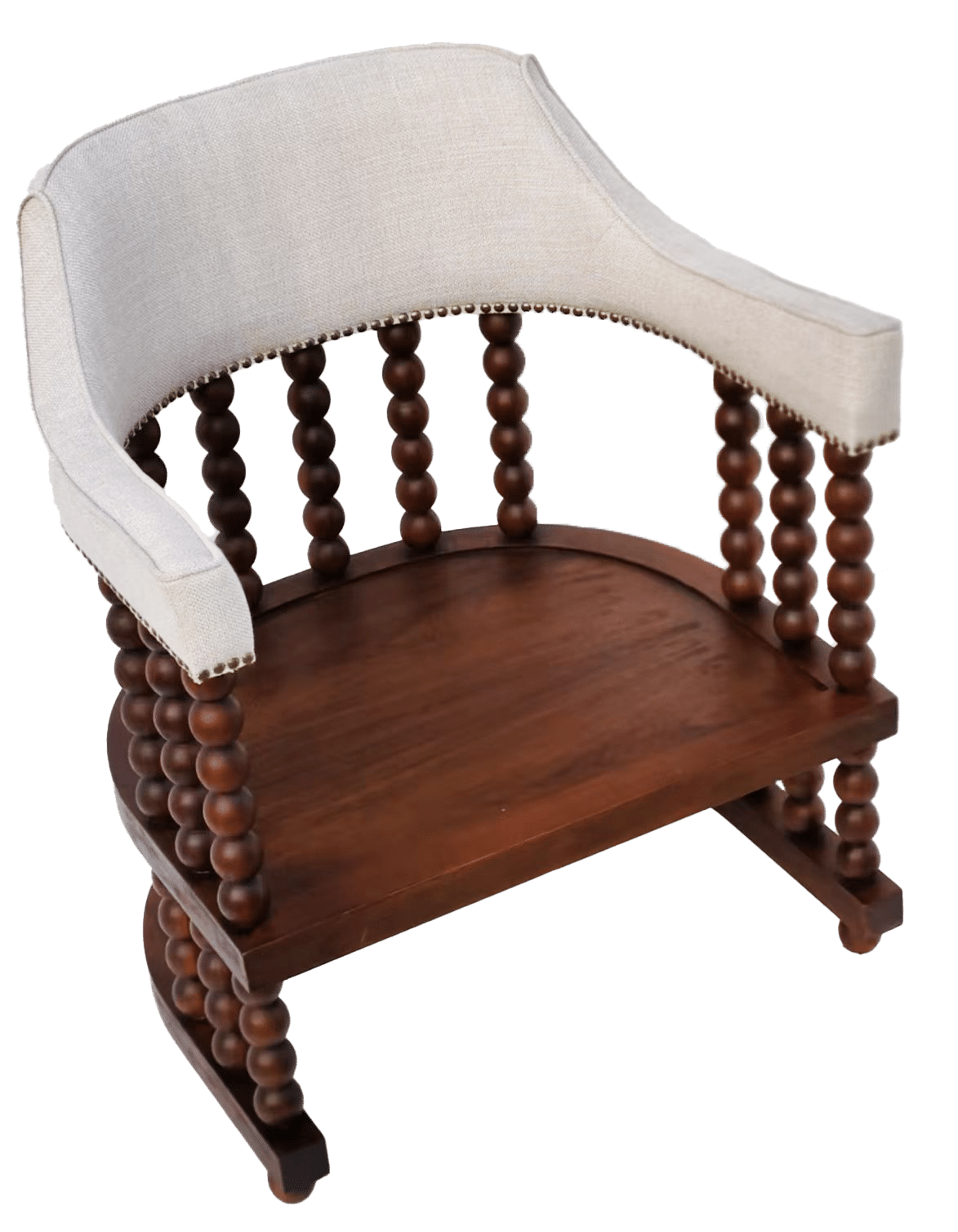
For upholstery, durability is everything. That’s why commercial-grade fabrics come with a rub count rating. For hotels, you want at least 35,000–50,000 Martindale, depending on whether it’s a lounge area or a guest room. A higher rub count means it can handle constant use without pilling, tearing, or thinning out. Leather and vinyl options also work, but you still need to check their abrasion resistance.
Metal frames also play a big role in long-term performance. Stainless steel is the best option for corrosion resistance, especially in humid or coastal environments. Mild steel is cheaper but must be finished well; a poor powder-coating job will chip, rust, and stain surrounding materials. If a supplier doesn’t talk about coating thickness or testing, that’s a red flag.
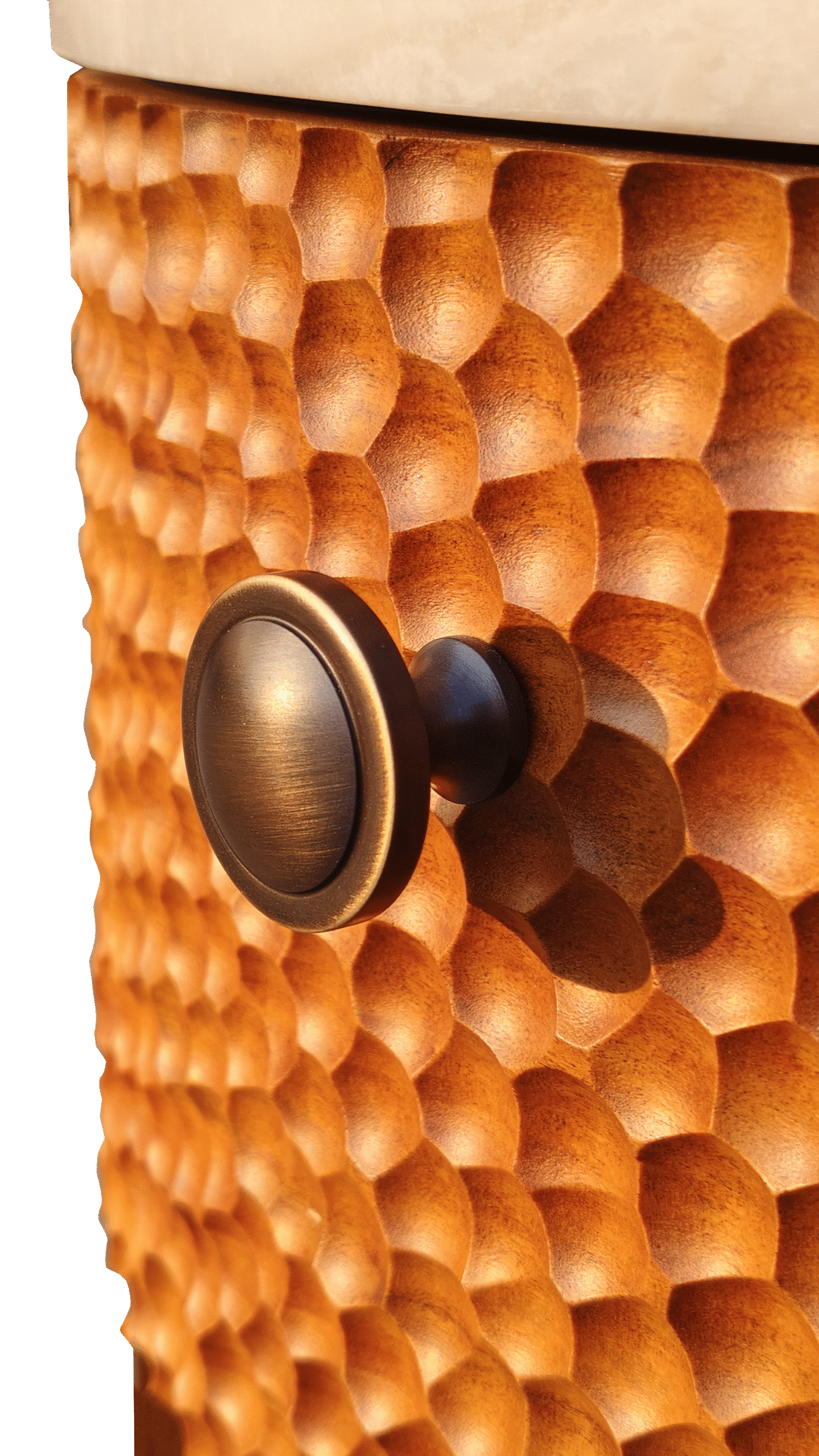
Moisture-proofing is another detail that separates good furniture from short-lived furniture. Look for edge banding that fully seals every exposed timber edge, anti-fungal sealants inside cabinets, and aluminium trims for high-impact corners. These little touches protect your furniture from humidity, cleaners, and even suitcase wheels.
Finally, don’t forget the joinery. Quality joinery determines how furniture functions after thousands of uses. Check for smooth drawer runners, soft-close hinges, consistent slat spacing, and proper load capacity for shelves and seating. Good joinery feels stable the moment you touch it—and keeps feeling that way for years.
If materials and construction are solid, everything else becomes easier: fewer repairs, fewer complaints, and a smoother guest experience.
How to Buy Hotel Furniture for Different Hotel Areas
These areas experience spills, contact, and constant turnover of users—meaning every surface must be easy to maintain.
Important features include:
Stain-resistant upholstery
Laminate or HPL tabletops with abrasion resistance
Frame strength that resists wobbling
Anti-scratch or anti-heat finishes where food service is involved
Guests often judge cleanliness subconsciously through the condition of these surfaces.
5. Back-of-House Areas — Function Over Aesthetics
These spaces don’t need premium design — they just need to survive.
Examples of durable back-of-house solutions:
Metal shelving for storage
Laminate worktops that withstand cleaning chemicals
Staff chairs with sturdy frames and washable seats
Here, spending more on aesthetics is unnecessary — invest in simplicity and longevity instead.
6. Suites, VIP Rooms & Long-Stay Units — Upgrade Quality Where It Matters
These rooms often justify enhanced finishes because they support higher revenue.
Typical upgrades include:
Soft-close joinery
Fabric-wrapped wall panels
Higher density cushions
Premium veneer selections
More durable hardware
Built-in lighting in headboards or joinery
These areas allow suppliers to showcase craftsmanship while improving perceived value.
Conclusion
Buying hotel furniture is part design, part engineering, and part long-term financial planning. When you understand material quality, supplier capability, and total cost of ownership, you avoid the typical pitfalls that drain budgets and frustrate developers. If you’re ready to buy hotel furniture wisely, start by reviewing your scope, getting proper samples, and choosing a supplier who builds for durability—not just for show.
FAQs
1. What should I consider first when I want to buy hotel furniture?
Start by confirming your full room scope, brand standards, and space planning requirements. This ensures you choose the right pieces, avoid rework, and stay within budget.
2. How do I know if a hotel furniture supplier is reliable?
Look for a supplier with in-house joinery, upholstery, and metalwork, a clear QC process, consistent samples, and real hotel project experience (100+ rooms preferred).
3. What materials are best when buying hotel furniture?
Plywood, high-density foam, commercial-grade fabrics (35,000–50,000 rubs), stainless steel, and moisture-resistant substrates outperform MDF and soft timbers in hotel environments.
4. How can I avoid hidden costs when I buy hotel furniture?
Compare quotes using identical specifications, check packaging quality, confirm hardware brands, and verify dimensions. Most hidden costs come from poor materials or onsite rework.
5. Is it better to buy hotel furniture in bulk?
Yes. For 50–500 rooms, bulk purchasing lowers cost-per-room, increases production efficiency, and ensures consistent quality across all room types.
6. Can I use residential furniture in a hotel?
No. Residential furniture isn’t built for commercial use and fails quickly under heavy traffic. Hospitality-grade furniture meets durability, safety, and fire-rating standards.
7. What areas need the strongest hotel furniture?
Lobbies, corridors, and outdoor spaces require the most durable construction due to high traffic, heavy luggage, and weather exposure.
8. How long should good hotel furniture last?
High-quality hotel furniture typically lasts 7–15 years, depending on materials, climate, and maintenance. Cheaper options often fail within 2–3 years.
9. What certifications should I check before buying hotel furniture?
Look for CAL 117, BS 7176, AS/NZS fire standards, ISO certifications, and structural load test reports where applicable.
10. Should I request samples before I buy hotel furniture?
Absolutely. Approved samples ensure correct materials, colors, stitching, and joinery before mass production begins. Never skip this step.