Blog

The Ultimate Guide to Hotel FF&E Project Planning:
Prevent Hotel Handover Delays in 2026

Table of Contents

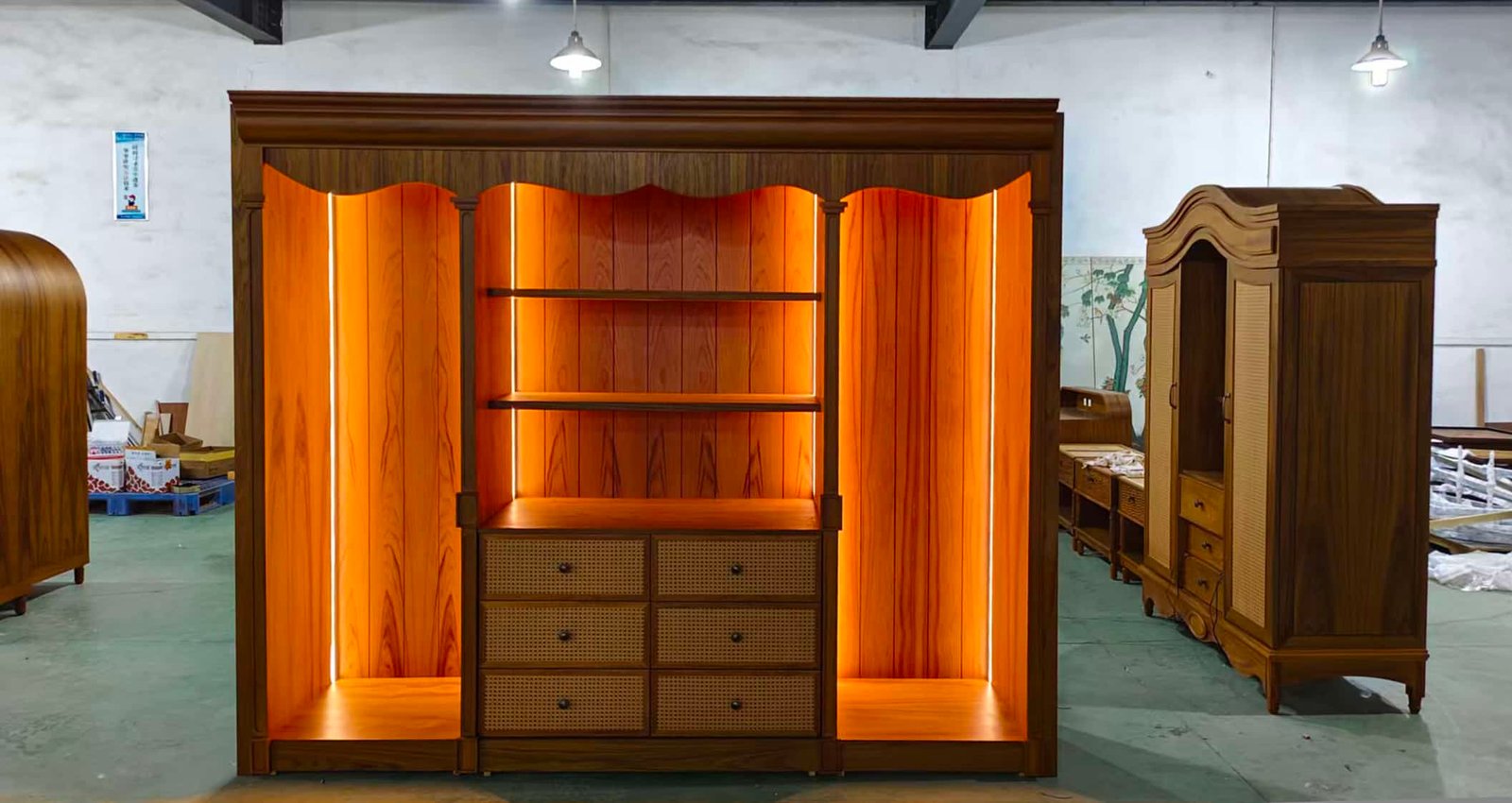
Hotel Cabinet

Hotel handover delays often stem not from construction—but from inefficient FF&E procurement processes. Late deliveries, finish mismatches, customs issues, or uncoordinated installation work can derail even the best-planned hospitality development project.

In 2025, hotel FF&E project planning has become essential for developers, project managers, and procurement teams who need to control cost, maintain quality, and protect ROI.

This guide explores how smart FF&E logistics management, early timeline mapping, and collaboration with custom hotel furniture manufacturers like Betherev prevent those nightmare delays. You’ll see how integrated manufacturing, joinery production, packaging, and delivery systems ensure hotels open on time — even across multiple continents.

We’ll walk through every stage — from FF&E design coordination and sample approvals to shipping documentation, customs clearance, and site installation — so you can run a smooth, delay-free project.

Top view of a team working on construction plans in an office setting.

Why Delays Happen in Hotel FF&E Project Planning

Most hotel FF&E project delays begin long before construction finishes. Small oversights in FF&E procurement schedules, communication, or documentation quietly accumulate until the entire project stalls.

Late shop drawing approvals or material sample reviews are the first warning signs. Factories can’t begin mass furniture production or custom joinery fabrication without official sign-off. Even a two-week delay here can snowball into a two-month setback at installation.

Miscommunication between the design team, FF&E consultants, and the factory is another major issue. A single unclear specification sheet or finish code can lead to rework. Without bilingual engineers or a defined approval workflow, revisions keep bouncing back and forth.


Then comes the logistics chain. Port congestion, container shortages, or missing customs clearance documents (like HS codes or fumigation certificates) can delay shipment even when manufacturing is complete.

Sometimes the bottleneck happens on-site. If the construction handover isn’t ready when furniture arrives, containers sit idle in storage while labor costs climb.

Finally, many projects fail because no one oversees full coordination. When contractors, designers, procurement teams, and FF&E suppliers work separately, the result is disjointed timelines, idle workers, and missed openings.

Professional hotel FF&E project management exists to solve this — by aligning every department and supplier under one synchronized schedule.

Why Professional Hotel FF&E Project Planning Matters in 2026

In 2025, hotel FF&E project planning isn’t just about choosing finishes — it’s about managing a global FF&E supply chain that spans design studios, factories, freight routes, and installation teams.

Freight rates fluctuate, customs rules vary, and even a minor delay in export documentation can derail a hotel’s grand opening.

Sustainability also drives decision-making. Developers must verify every component — E0 plywood, FSC timber, low-VOC paints, flame-retardant foam — complies with eco-certification and brand compliance standards. Without early coordination between the design, procurement, and manufacturing teams, re-sourcing mid-production wastes time and budget.

Hotel brands like Marriott, Hilton, and Accor enforce strict timelines for mock-up room approvals, brand inspections, and quality audits. Missing a milestone not only delays deliveries but also risks failing brand certification.

Thankfully, digital technology has transformed FF&E procurement management. Tools like 3D BIM coordination, real-time production dashboards, and AI-driven inventory tracking help stakeholders monitor every stage — from joinery production progress to container departure schedules.

Ultimately, professional FF&E planning gives developers a measurable advantage: faster handovers, stronger quality control, and seamless coordination from concept to completion.

Hyatt Ginza Tokyo public space seating solutions

Step-by-Step Hotel FF&E Project Timeline

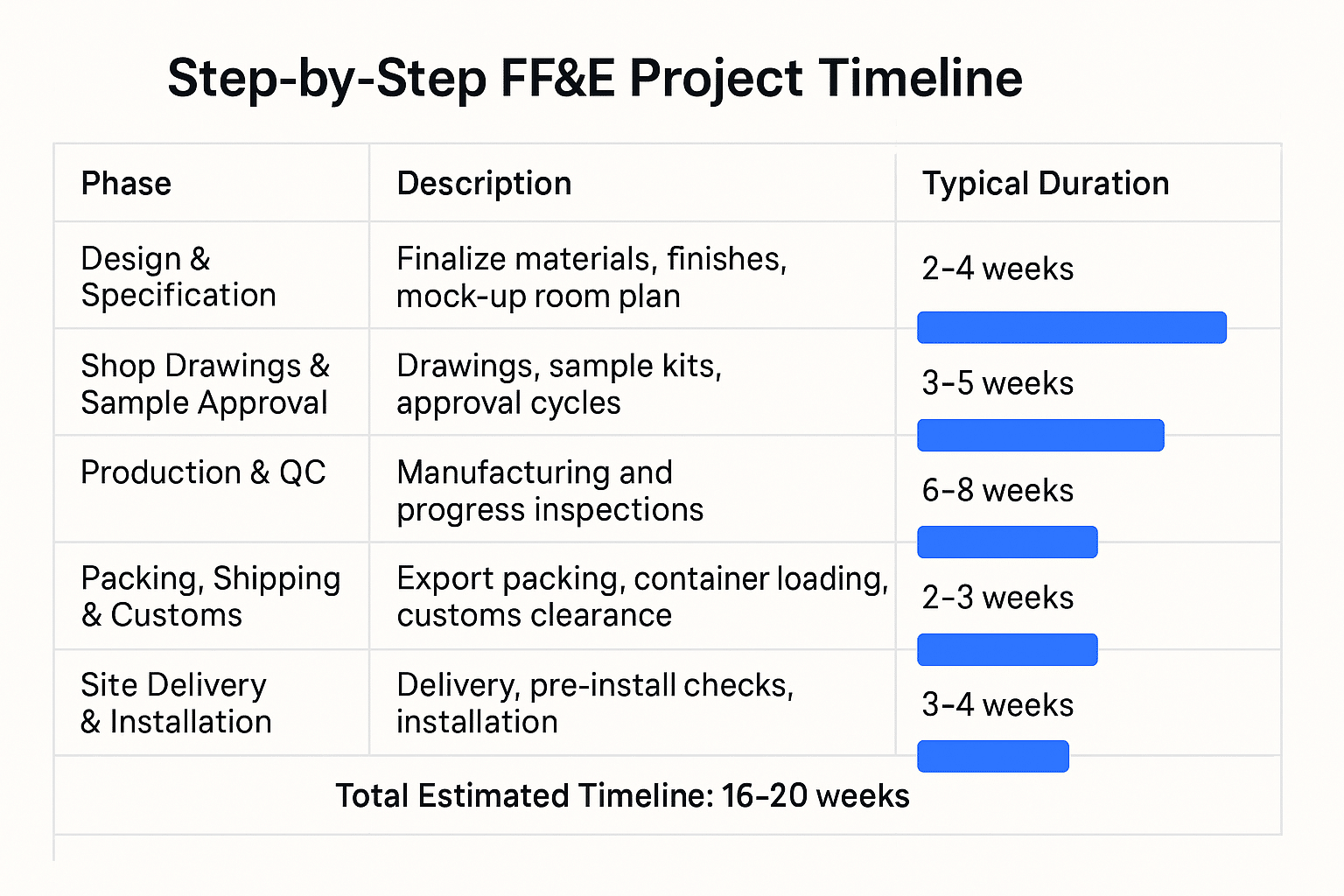
A clear, well-structured hotel FF&E project timeline keeps everyone aligned — from design consultants to procurement officers, furniture manufacturers, and installation teams.

PhaseDescriptionTypical Duration
Design & SpecificationFinalize materials, finishes, mock-up room plan2–4 weeks
Shop Drawings & Sample ApprovalDetailed joinery drawings, sample kits, approval cycles3–5 weeks
Production & Quality ControlManufacturing progress reports and inspections6–8 weeks
Packing, Shipping & CustomsExport packing, container loading, and customs clearance2–3 weeks
Site Delivery & InstallationDelivery, pre-install checks, and installation3–4 weeks
Total Lead Time16–20 weeks


hotel-ffe-project-timeline

1. Design & Specification

This is where the FF&E design intent becomes reality. Designers and developers finalize all materials, finishes, and technical details for each custom furniture piece and built-in joinery element.

You’ll also define the mock-up room schedule — the full-scale test for aesthetics, comfort, and brand compliance. A well-documented design package forms the foundation of efficient hotel FF&E project planning.

2. Shop Drawings & Sample Approval

The factory’s engineering team prepares precise FF&E shop drawings and sample kits. These must match both designer approvals and brand standards to avoid conflicts later.

Physical samples — veneer, fabric, metal, and stone — undergo the material approval process. Timely feedback here determines the project’s production lead time.

Reliable suppliers maintain a transparent approval tracker for every submittal, minimizing miscommunication between designers and the hotel furniture factory.

3. Production & Quality Control

Once approvals are in, mass production starts across joinery, upholstery, and finishing departments.

Factories typically issue 30% / 60% / 90% progress reports, including photo documentation, to reassure clients. Independent or in-house QC inspectors verify that finishes, dimensions, and hardware meet specifications.

At Betherev’s ISO-certified factory, QC documentation and third-party inspection reports form a standard part of every FF&E project workflow — ensuring consistency across hundreds of rooms.

4. Packing, Shipping & Customs

When production is complete, the focus shifts to export readiness. Each item is packed using export-grade EPE foam, corner guards, and moisture-proof wrapping.

Accurate paperwork — HS codes, CIQ certificates, fumigation reports, and commercial invoices — prevents customs delays and ensures compliance.

Smart container CBM optimization reduces freight costs while protecting goods. This phase is where logistics teams apply the principles of hotel furniture export management — balancing cost, safety, and timing.

5. Site Delivery & Installation

Delivery coordination is the final test of hotel FF&E project efficiency. Furniture must arrive precisely when the construction site is ready.

Every item should be labeled and cross-checked against the packing list. Before installation, teams perform pre-install inspections to confirm there’s no transit damage.

A comprehensive installation schedule and damage report log ensure accountability and a smooth handover to the client or operator.

In large-scale hospitality developments, logistics can make or break the project. Even with perfect production, poor coordination between shipping agents and site teams can cause costly downtime.

Here’s how smart logistics strengthens hotel FF&E project planning:

  • CBM Optimization – Design modular furniture to maximize container capacity.

  • Consolidated Shipping – Combine loose and fixed furniture to streamline customs handling.

  • Multi-Country Rollouts – Align Asia–GCC–EU logistics schedules to avoid congestion.

  • Digital Tracking – Use bar-coded packaging and real-time dashboards for transparency.

  • One-Stop Manufacturing – Choose an integrated FF&E supplier like Betherev that handles joinery, upholstery, and lighting under one roof.

These strategies minimize demurrage, protect your goods, and keep your hotel furniture logistics process on schedule.

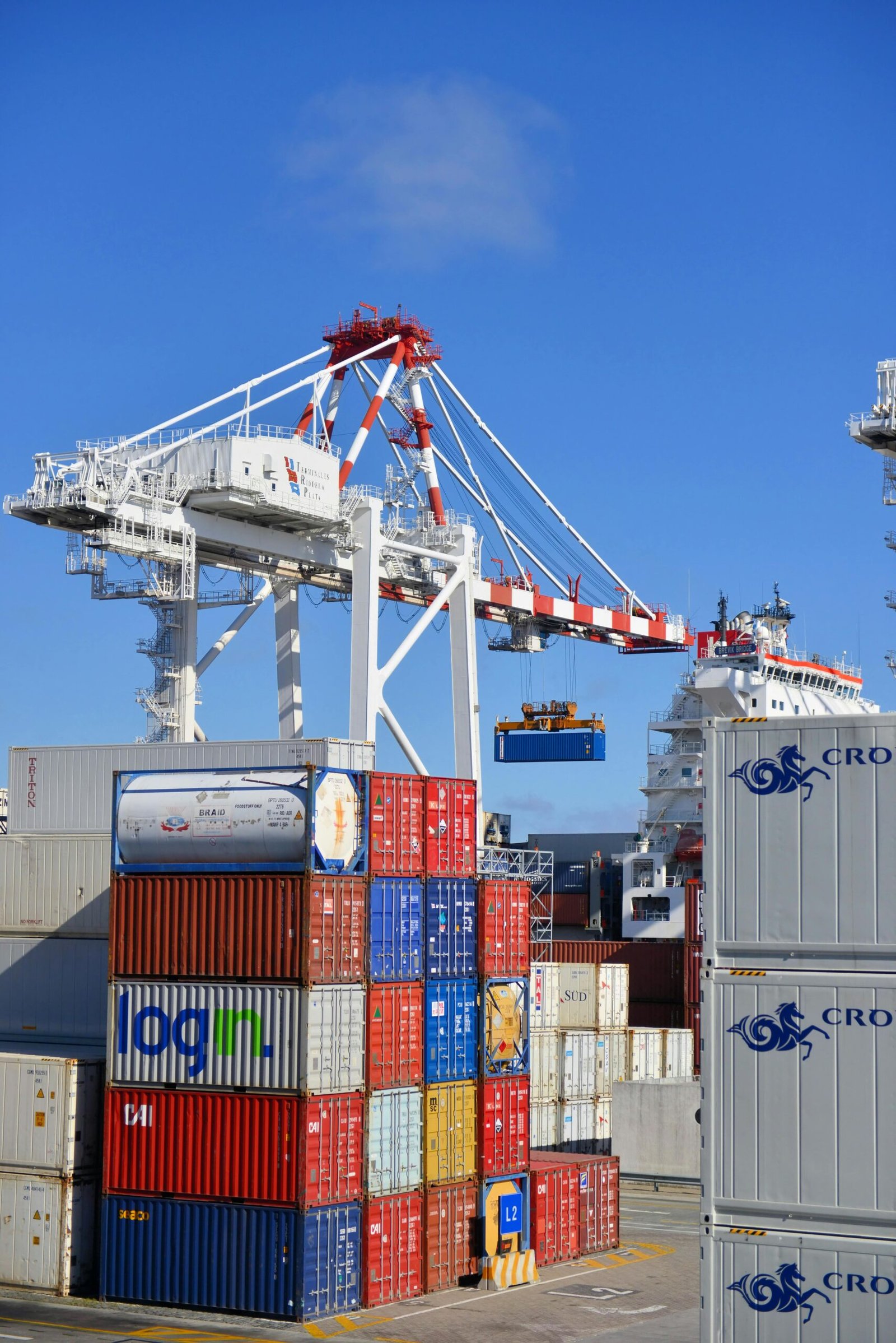
Colorful shipping containers stacked in a busy port with cranes overhead.
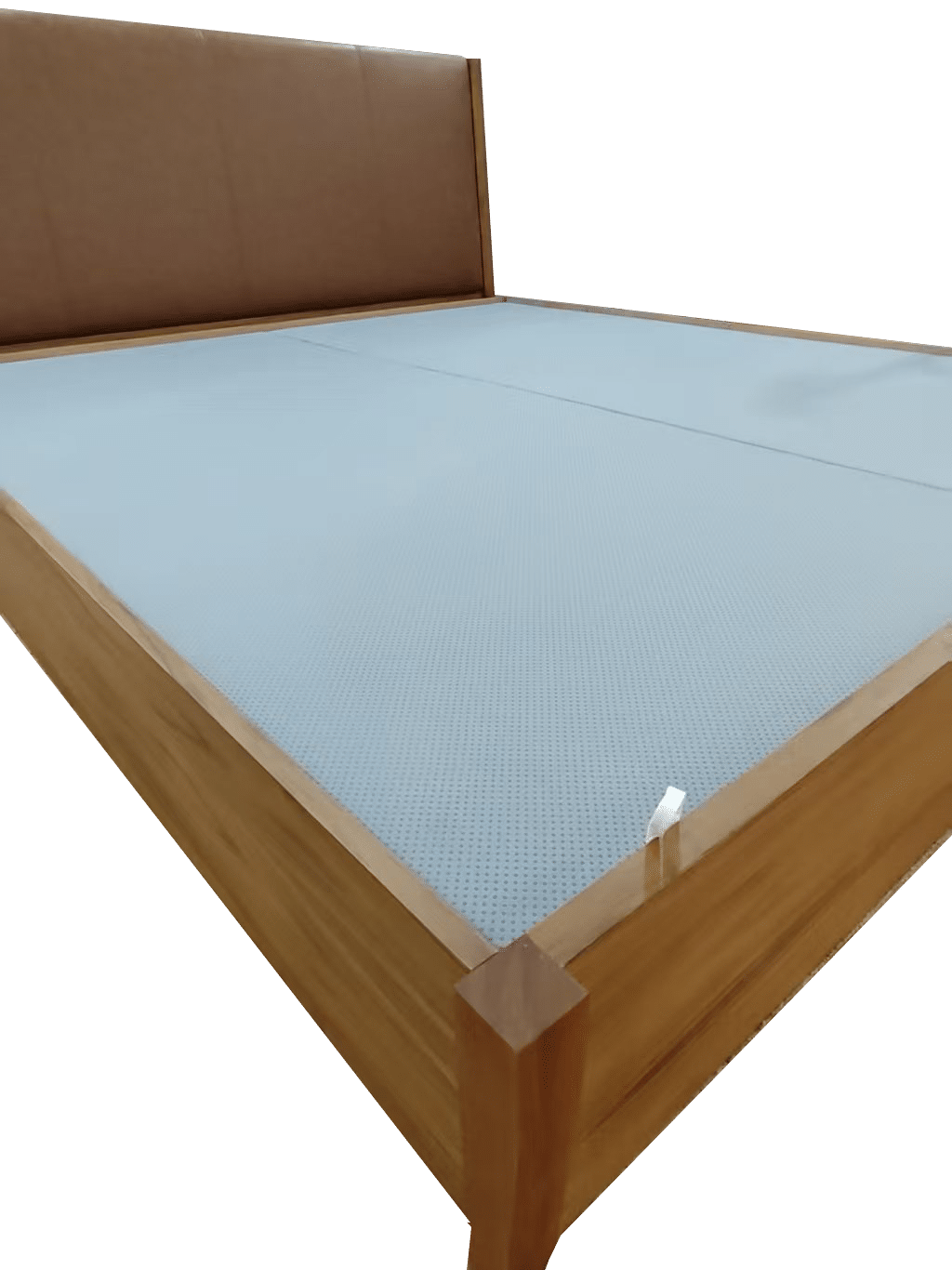
mock up bedheader and bed base

Common Mistakes That Cause FF&E Project Delays

Even experienced developers make errors that slow down FF&E procurement and installation:

  • Treating trading companies as manufacturers instead of working with true factories.

  • Rushing or skipping mock-up room approvals.

  • Overlooking export documents like fumigation certificates or COO forms.

  • Skipping pre-shipment inspection reports, which leads to unexpected defects.

  • Misaligning delivery sequencing with the construction schedule.

  • Underestimating the duration of on-site furniture installation for multi-room projects.

Avoiding these pitfalls is fundamental to smooth hotel FF&E project coordination.

Case Studies: How Betherev Prevented Project Delays

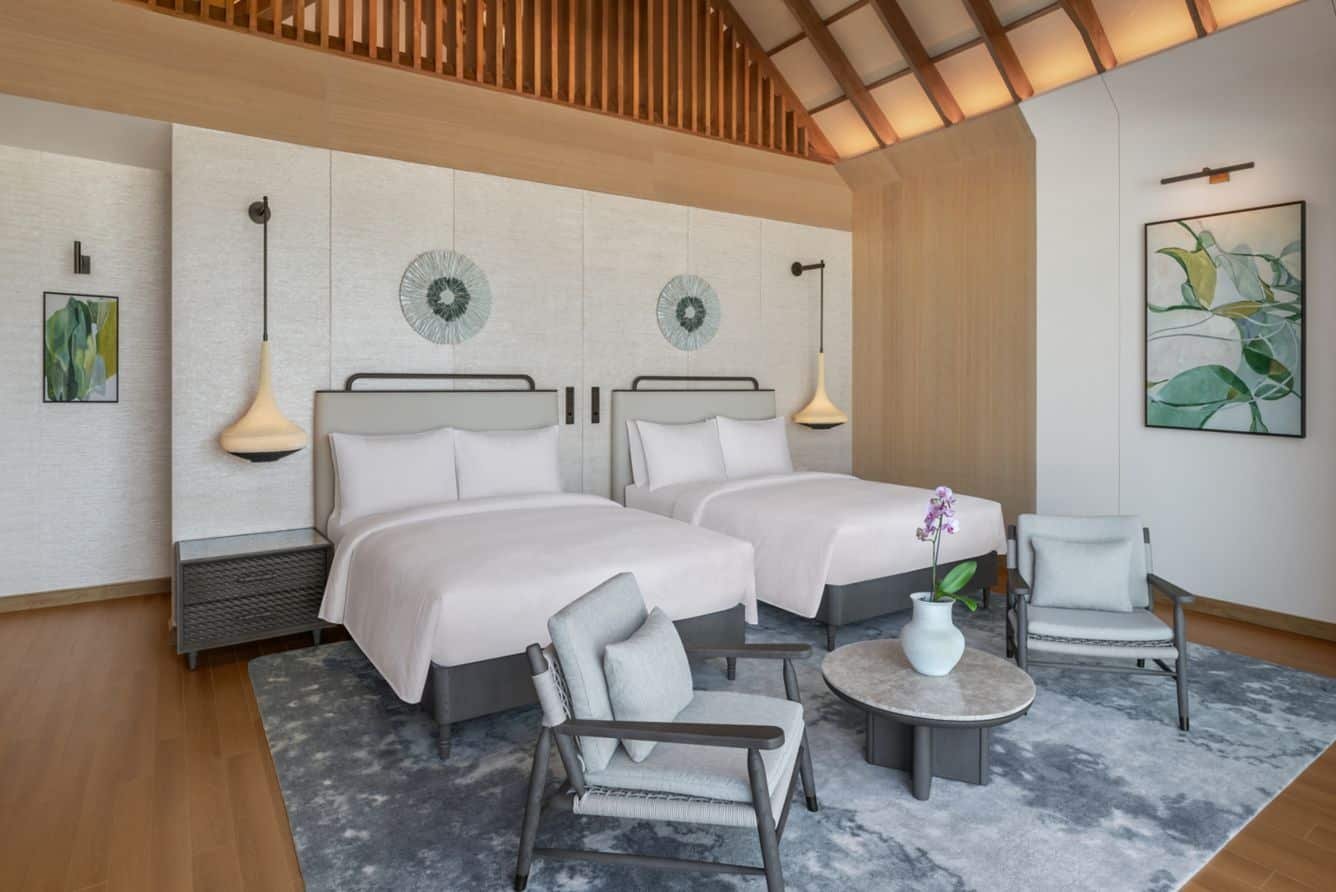
JW Marriott Maldives — Delivered 100% on Schedule through Early Sampling
The Maldives resort posed logistical challenges from day one. By starting material sampling and finish confirmation early, Betherev avoided rework and achieved an on-time FF&E project handover.

custom hotel furniture for JW Marriott

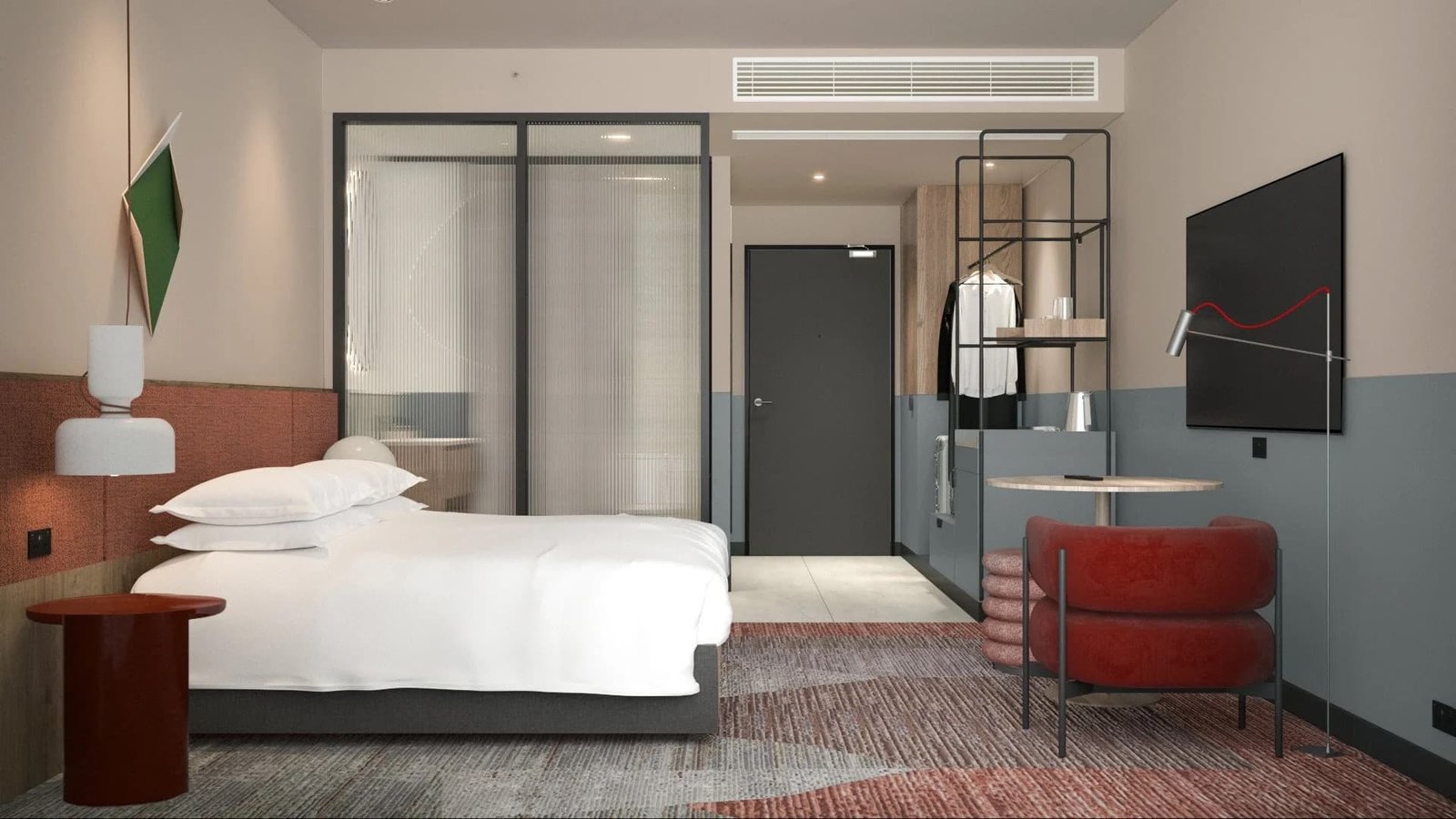
Mercure Flagstaff Melbourne — Mock-up Approved in 3 Weeks Using Digital Review
For this urban hotel, Betherev implemented a hybrid digital approval system using 3D renderings, live video reviews, and finish sample scans. This cut review time from 10 weeks to 3, enabling faster production and a seamless FF&E procurement cycle.

ff&e Project for mercure flagstaff Australia

Waldorf Costa Rica — Coordinated Multi-Container Logistics to Avoid Port Storage Fees
The project involved more than a dozen containers from multiple workshops. Betherev’s team managed a staggered logistics schedule to match construction progress, avoiding storage fees and ensuring installation followed the correct order.

These real-world examples prove how strategic hotel FF&E project planning and data-driven logistics coordination prevent unnecessary cost and delay.

Final Thoughts + Free Template

A well-structured hotel FF&E project plan doesn’t just save time — it saves months of delay and thousands in hidden costs. Proactive planning aligns design, procurement, logistics, and installation into one predictable workflow.

To simplify your next project, download Betherev’s Hotel FF&E Project Planning Template (Excel) — a practical tool to visualize milestones, assign responsibilities, and hold suppliers accountable.

If you’d like a full FF&E project assessment, contact Betherev today.

With over 30 years of experience, 1,000+ completed hospitality projects, and an ISO-certified, sustainable manufacturing facility, Betherev offers complete FF&E procurement, production, and logistics solutions — delivering peace of mind from design to installation.

FAQs

1. How long does a typical hotel FF&E timeline take?

A full FF&E (Furniture, Fixtures & Equipment) timeline for a hotel project usually takes between 16 to 24 weeks, depending on project scale and material complexity.
Here’s a common breakdown:

  • Design and specification: 2–4 weeks

  • Shop drawings and approvals: 3–5 weeks

  • Production and QC: 8–10 weeks

  • Packing and shipping: 3–5 weeks

  • Installation: 2–4 weeks

If your project involves luxury custom pieces, imported materials, or multiple brand approvals (like Marriott or Hilton), it’s smart to plan for the longer end of that range. The earlier you lock in your mock-ups and finish samples, the smoother your schedule will run.

2. When should procurement start?

Procurement should begin immediately after the design development phase—ideally six months before handover. This gives your team time to:

  • Finalize materials and finishes with designers

  • Approve shop drawings and mock-up rooms

  • Confirm production slots with the factory

Starting early prevents costly rush fees and ensures suppliers can coordinate with construction progress. Many successful developers begin sourcing even before civil works are complete, so their FF&E arrives just as the site is ready.

3. How can developers track production remotely?

Modern FF&E suppliers like Betherev offer digital progress tracking—often through photo reports, milestone checklists, or shared dashboards. You’ll typically see updates at 30%, 60%, and 90% completion, along with quality inspection photos before shipment.

For large projects, remote video inspections can be arranged via Zoom or Teams. Some manufacturers also integrate QR-coded labeling on each item, allowing project teams to scan and view specs, dimensions, or room locations instantly.

4. What’s the safest way to ship large casegoods?

The safest way is export-grade packing combined with moisture-proof protection. Each item should be:

  • Wrapped in EPE foam and bubble film

  • Reinforced with corner protectors and edge guards

  • Secured inside fumigated plywood crates or strong cartons

For long routes (e.g., China → Europe or GCC), adding desiccant bags and moisture barrier film prevents mold or warping. Container optimization—fitting more cubic meters (CBM) safely in each 40HQ—also cuts freight costs while minimizing handling damage.

5. How do you handle damaged furniture during transport?

Professional FF&E suppliers always prepare a damage report protocol. Upon container arrival, the site team should inspect, photograph, and log any issues immediately.

Depending on the contract terms:

  • Minor damages can be repaired on-site with touch-up kits or spare veneers.

  • Major damages are typically replaced in the next shipment, with claims covered under the supplier’s insurance or warranty.

Factories like Betherev often include extra panels or parts for common repair cases, ensuring the installation isn’t delayed.

6. What documents are required for customs clearance?

A complete customs clearance set should include:

  • Commercial Invoice

  • Packing List

  • Bill of Lading (B/L)

  • Certificate of Origin (CO)

  • Fumigation Certificate (for wood furniture)

  • CIQ or Inspection Certificate (if required by the destination country)

  • HS Codes for all product categories

For smoother clearance, it’s best to have these reviewed by both your freight forwarder and customs broker before shipment. Missing or mismatched paperwork is one of the most common causes of clearance delays.

Trust and Worth
Our Clients
Get In Touch for Your Cost-Effective Customized FF&E & Joinery Needs
We’d love to hear about your project. Whether you need custom FF&E solutions or joinery services, we’re here to help.
Scroll to Top